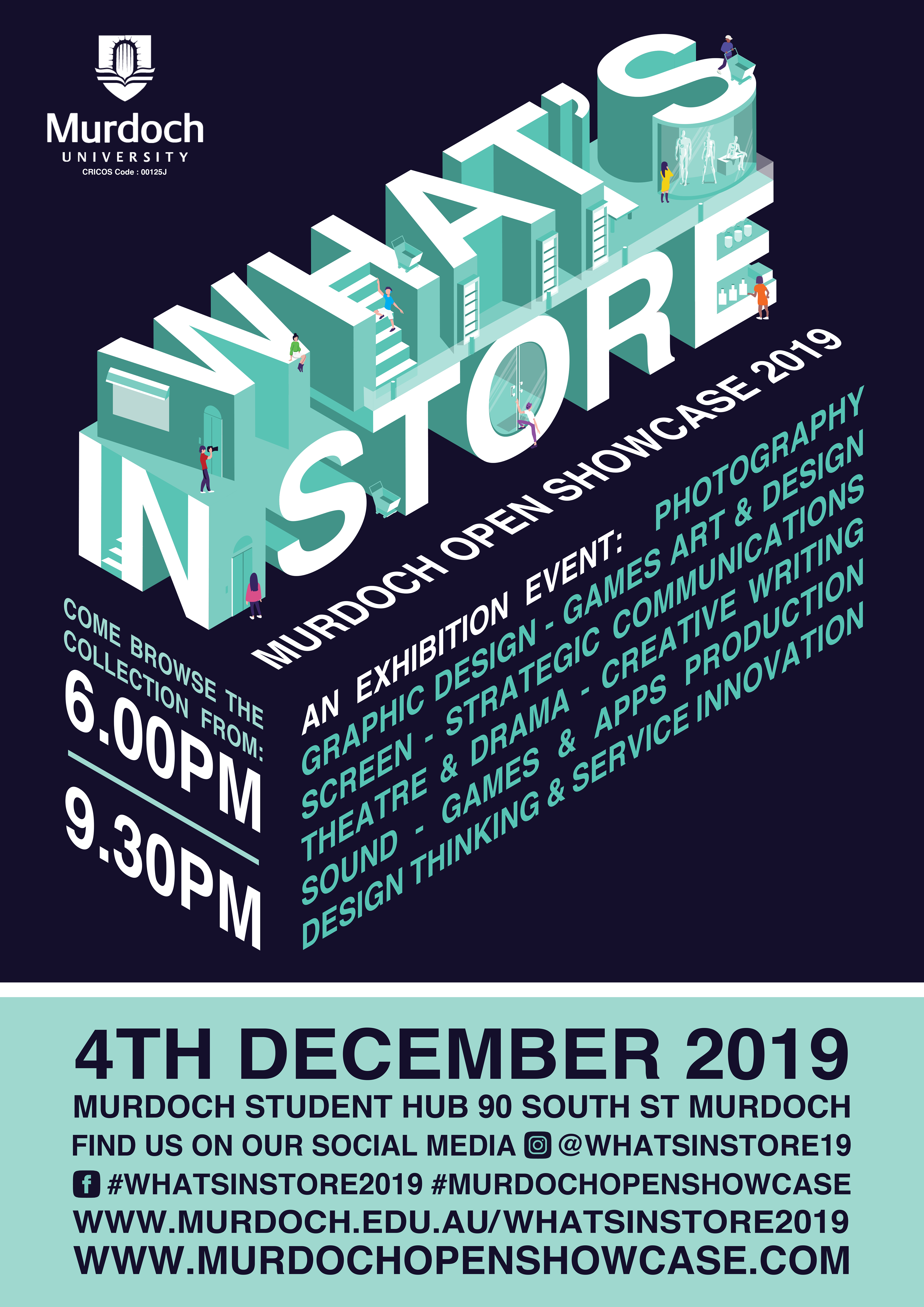
Event: What’s in Store: Murdoch Open Showcase 2019
Date: 4 December 2019
Location: Murdoch University Student Hub
Format: Annual end-of-year creative exhibition
Project team: Murdoch’s GRD310 class
Featured disciplines: Theatre Arts, Photography, Games Art and Design, Graphic Design, Sound, Screen Arts, Strategic Communications and Creative Writing
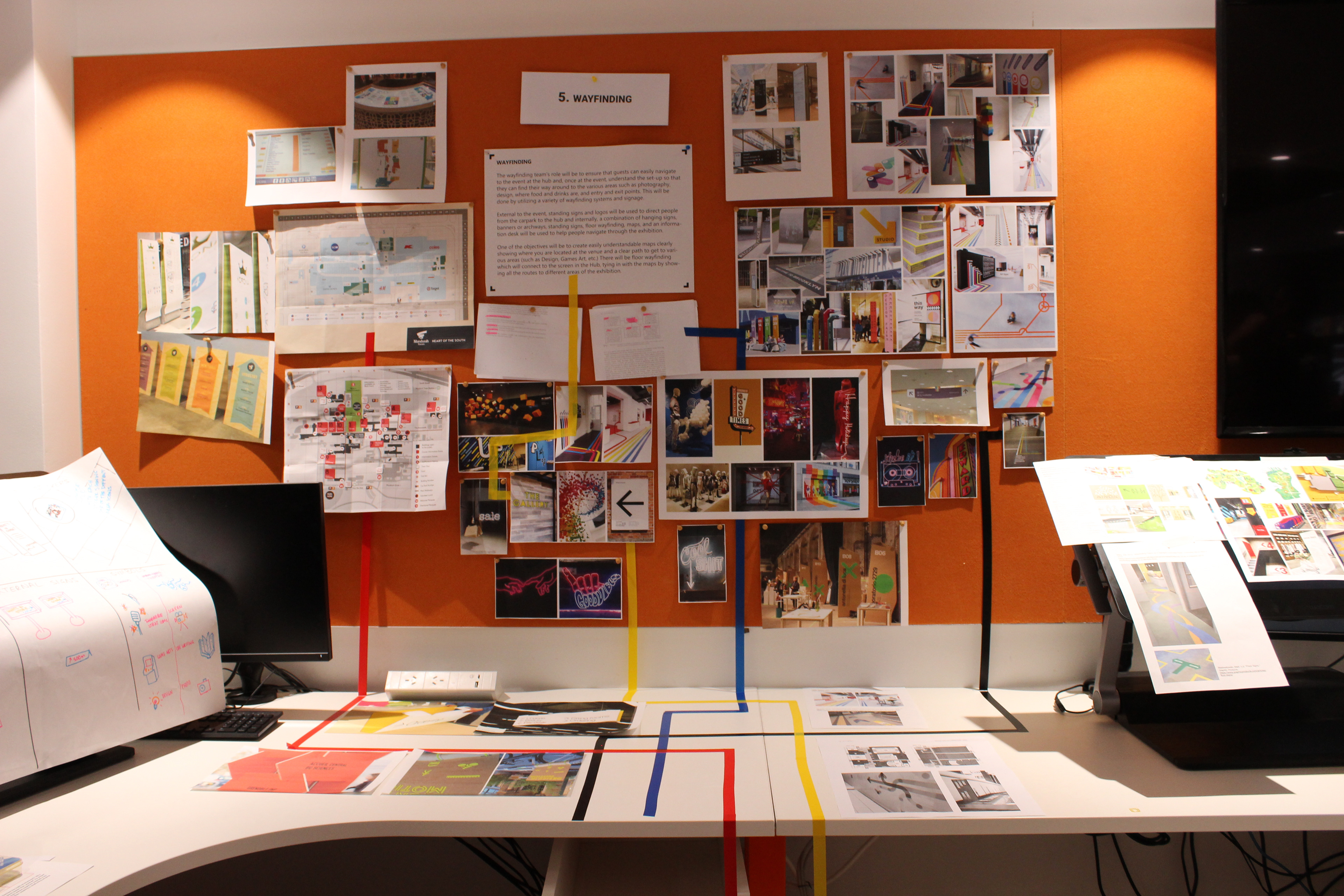
Project scope: Brand identity, marketing, touchpoints, wayfinding, spatial design, publication design, website, stakeholder engagement and final installation
The design challenge
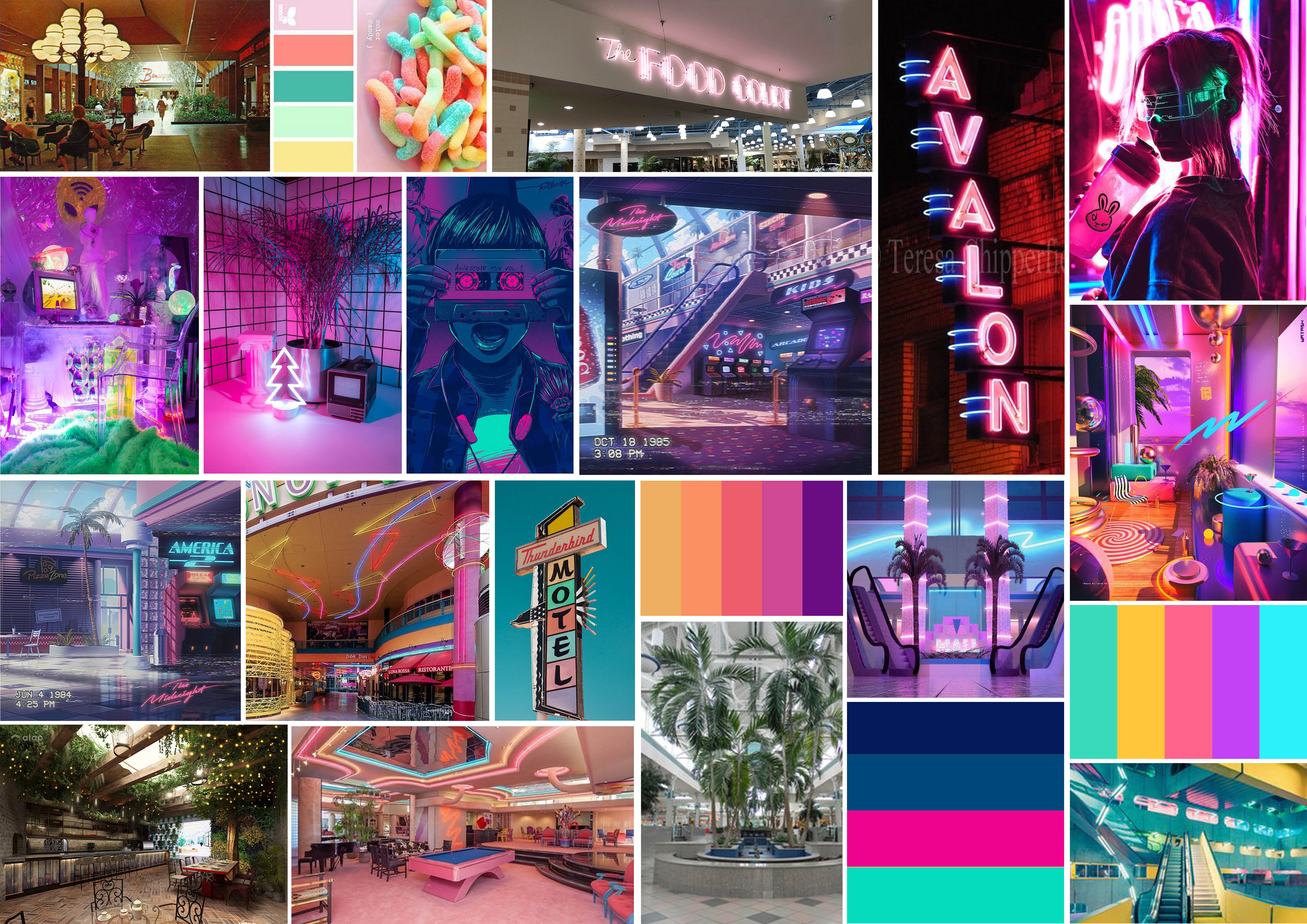
The challenge was to bring many different creative disciplines together within one coherent event while allowing each area to retain its own identity. The experience needed to help visitors navigate the exhibition, explore unfamiliar disciplines and appreciate the range of creative work produced throughout the year.
Our approach
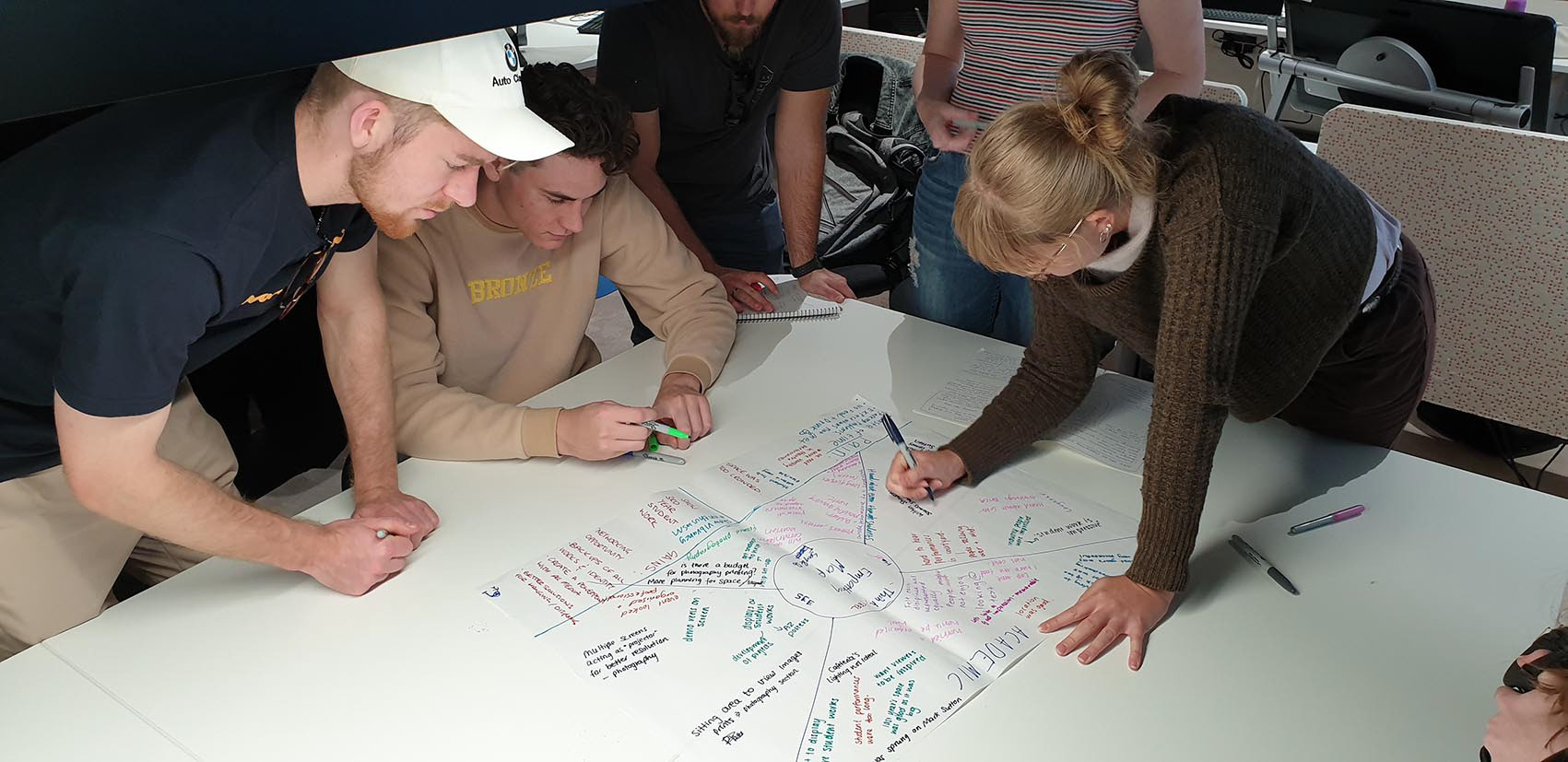
A team of 28 students, including Teayl and Julia, worked across different aspects of planning and delivering the event. The process drew upon:
Design thinking
Ethnographic observation
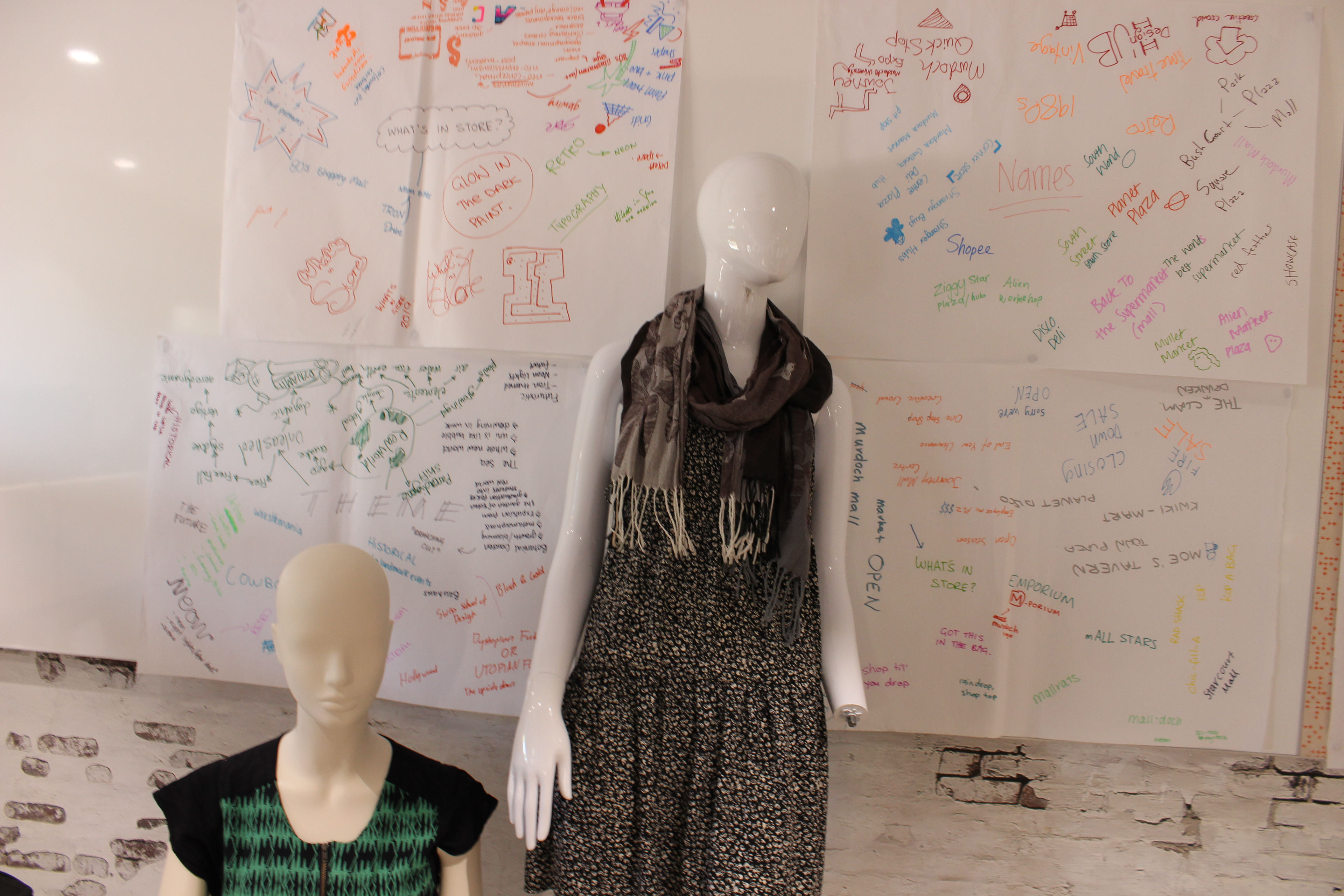
Collaborative ideation
Spatial planning
Concept development
Prototyping and mock-ups
Stakeholder presentations
Testing and feedback
Project management
Event installation and implementation
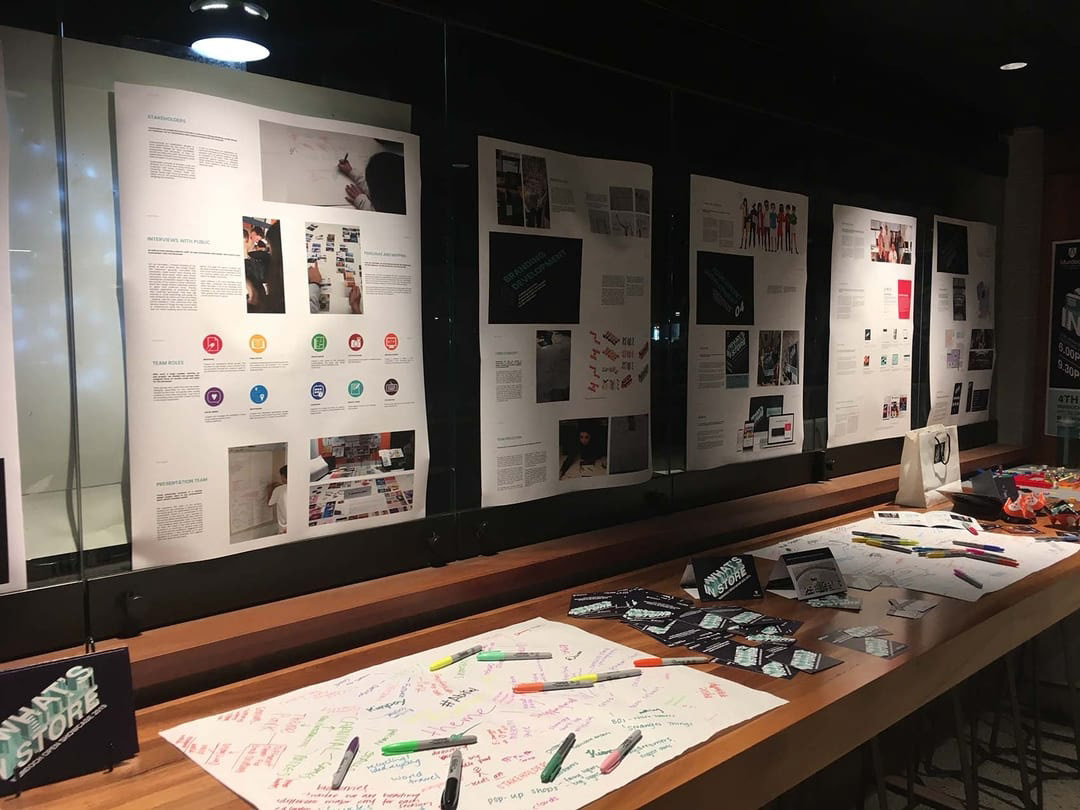
Concepts were presented to lecturers and department representatives for feedback. Their knowledge of the different disciplines helped the team refine how each area would be represented within the shared exhibition.
The concept
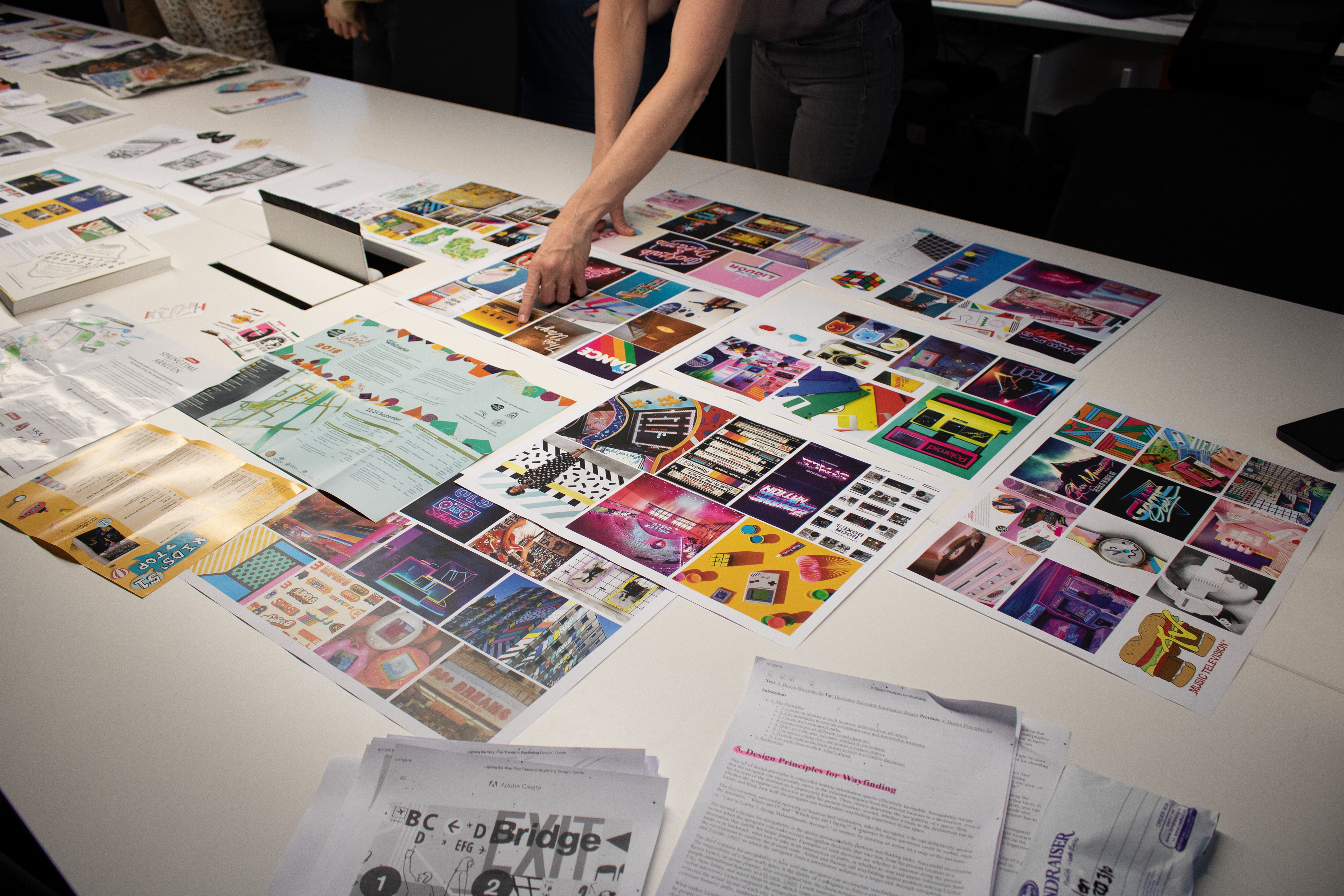
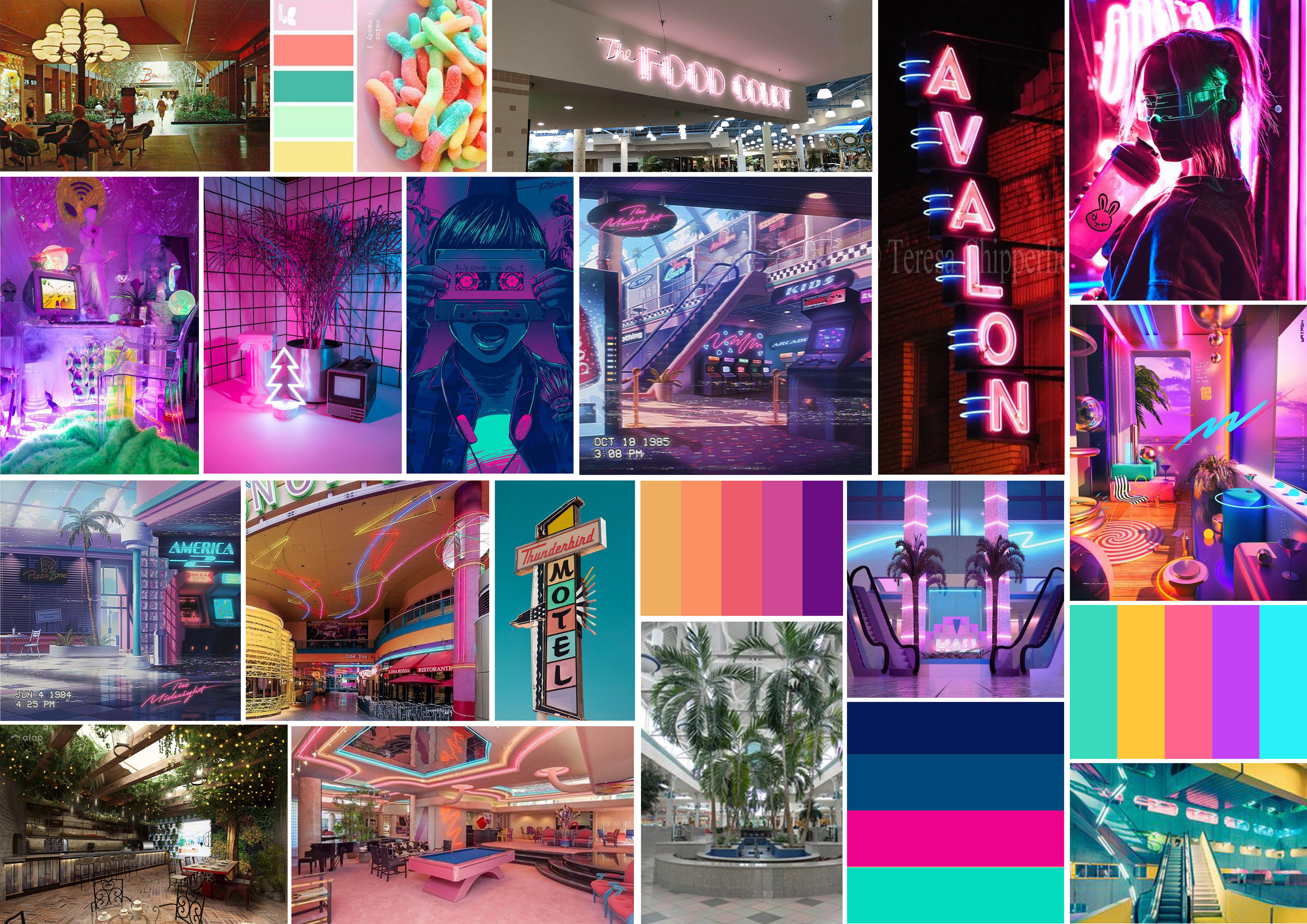
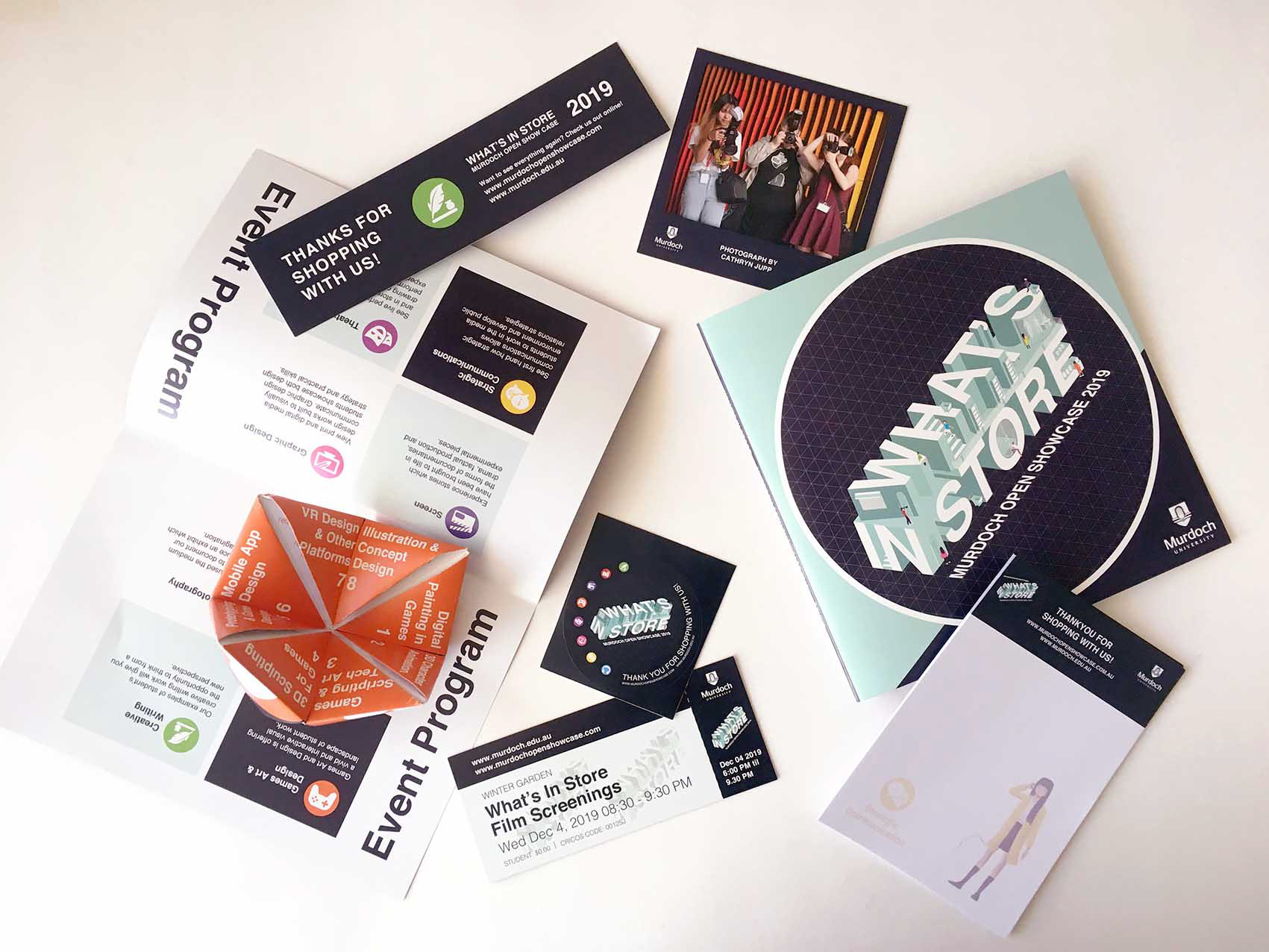
The team created a retro shopping-centre experience inspired by the visual atmosphere of Stranger Things. The exhibition presented the students’ creative work as things waiting to be discovered “in store.”
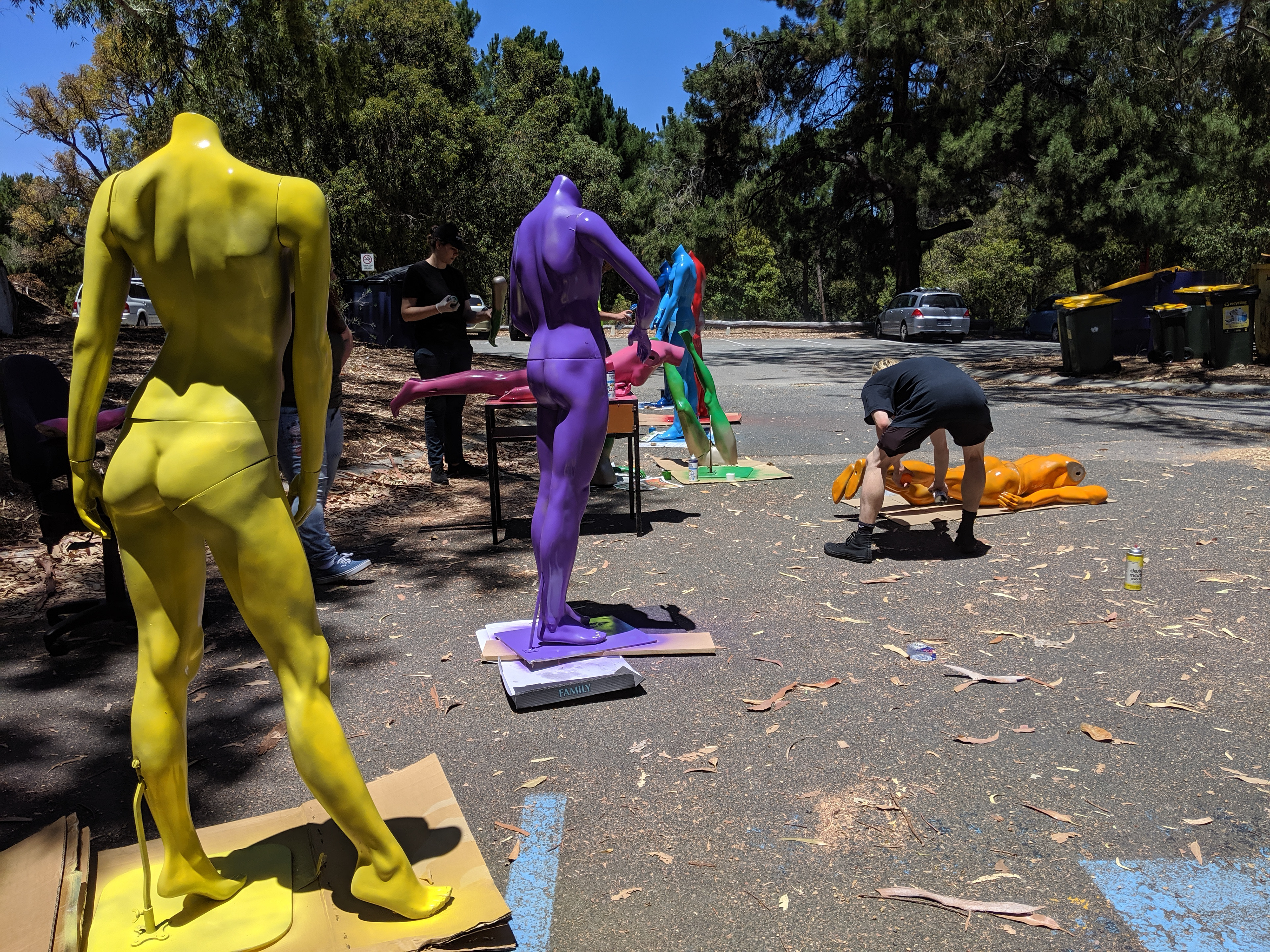
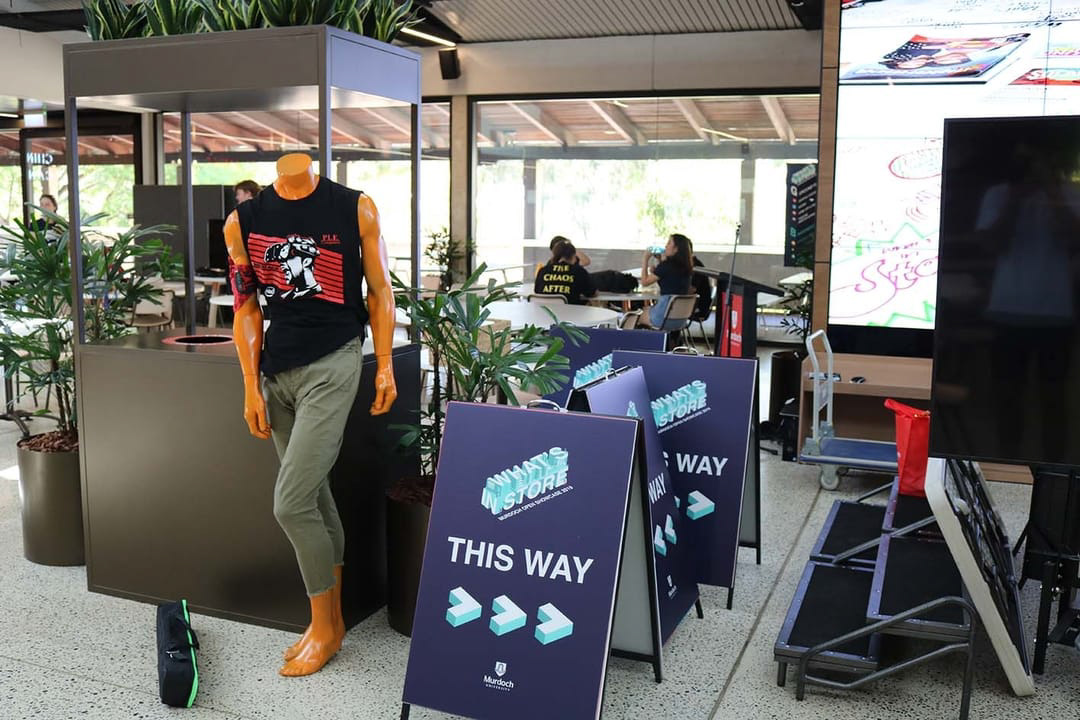
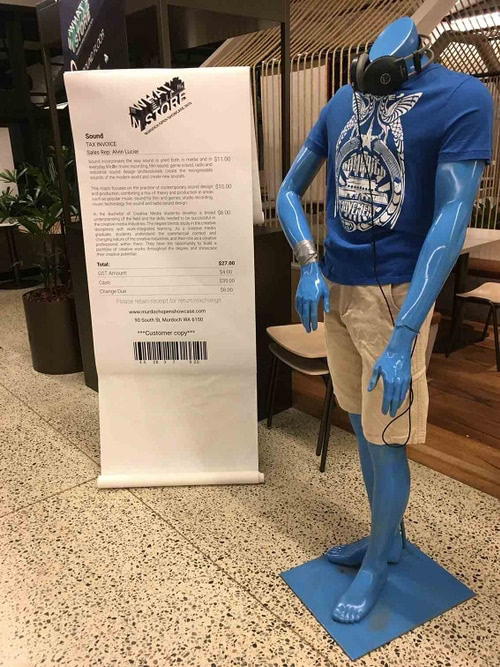
Each discipline was given its own shopping-centre-style display zone, supported by mannequins, themed displays and environmental details. Visitors could move between these areas and explore the different kinds of work produced throughout the year.
Design Contribution
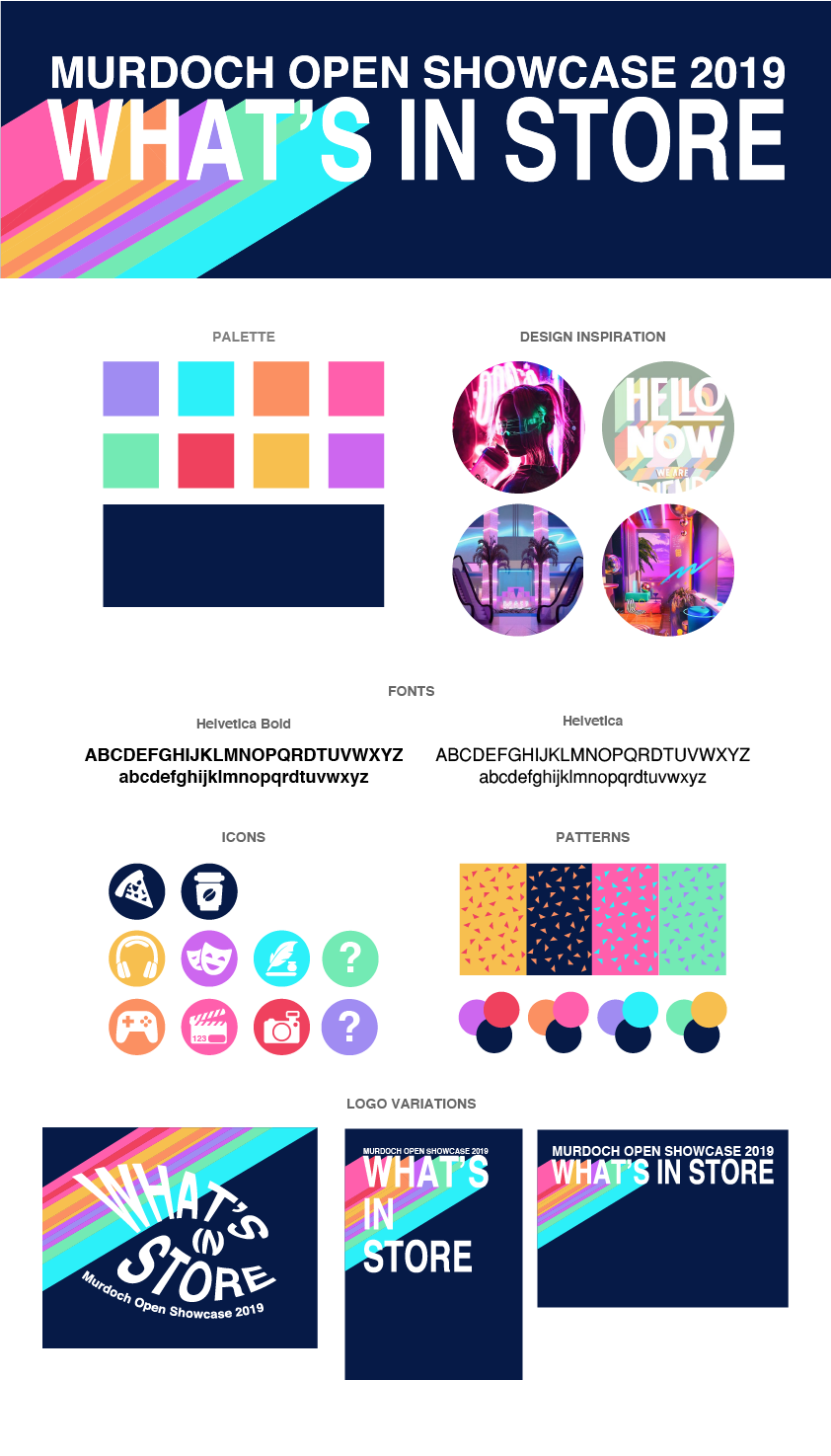
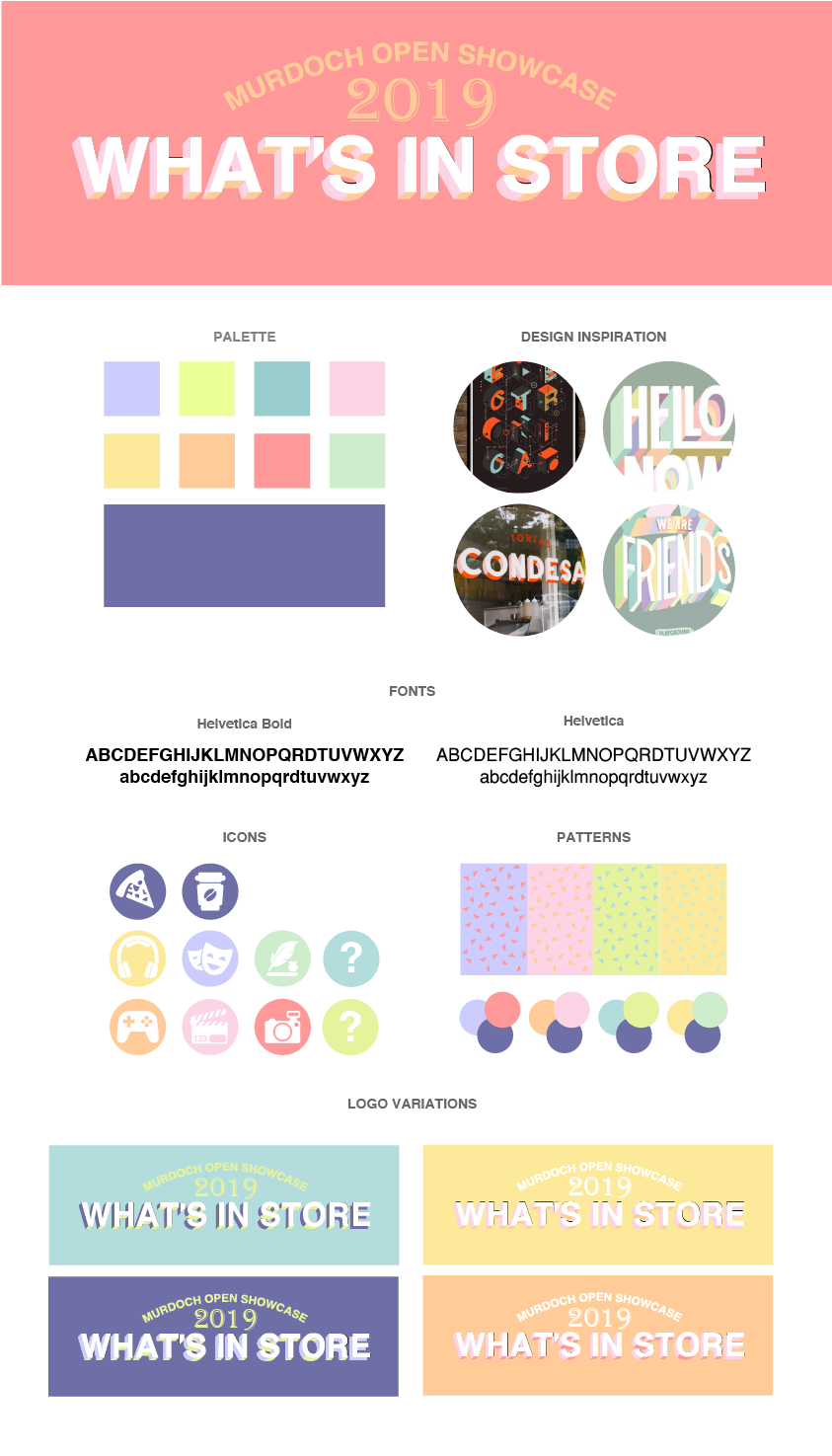
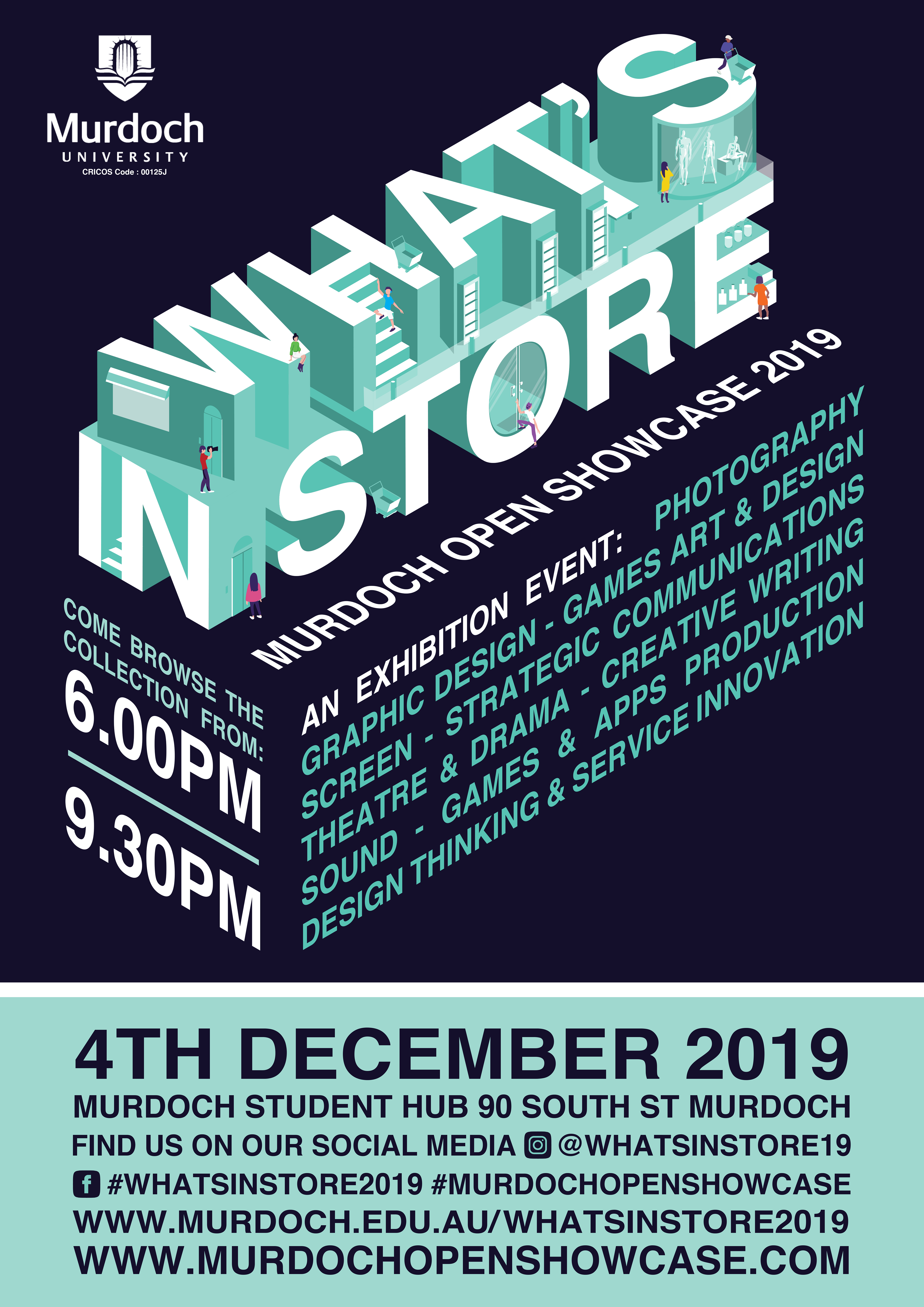
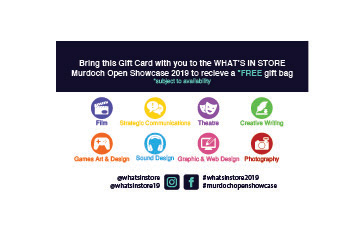
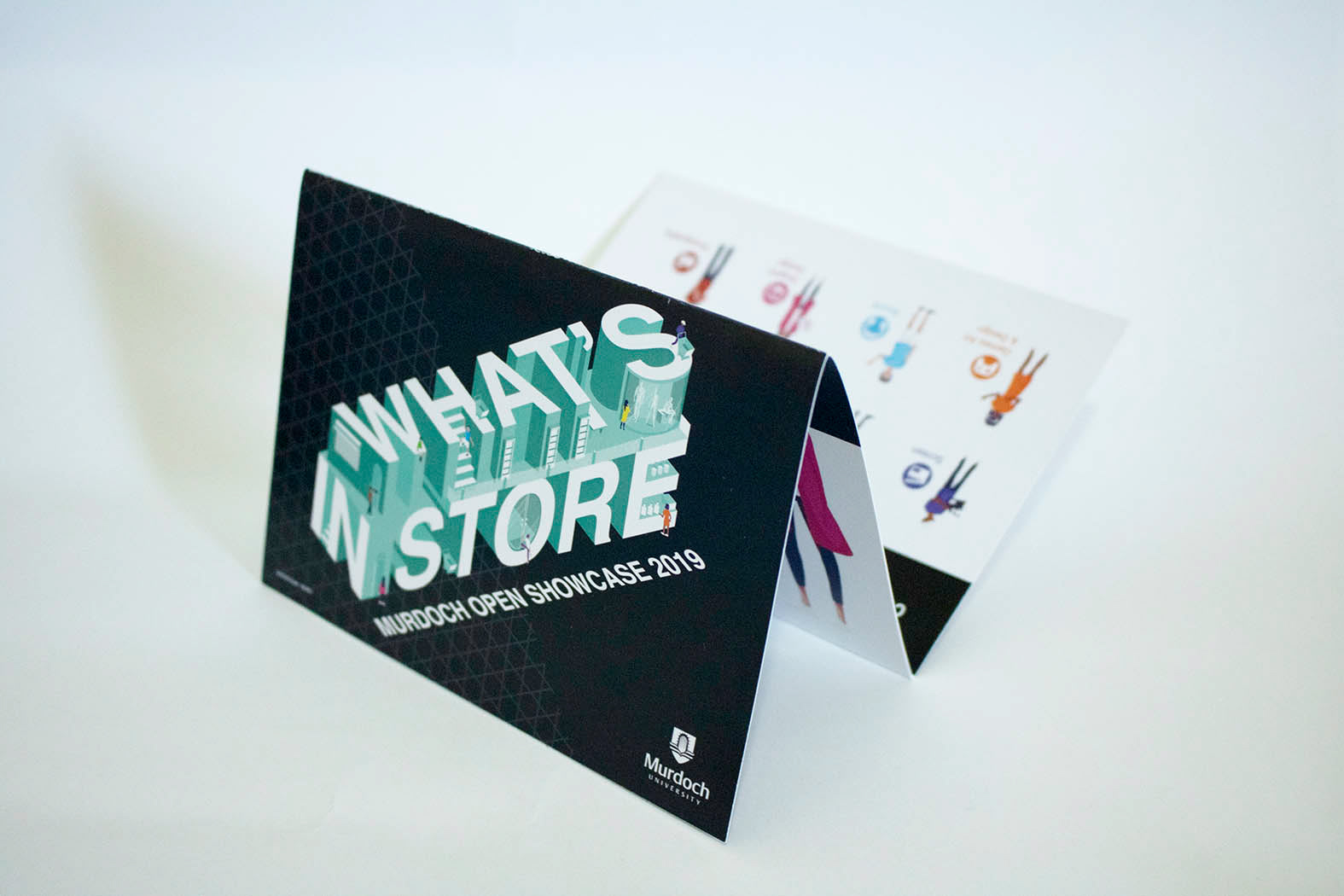
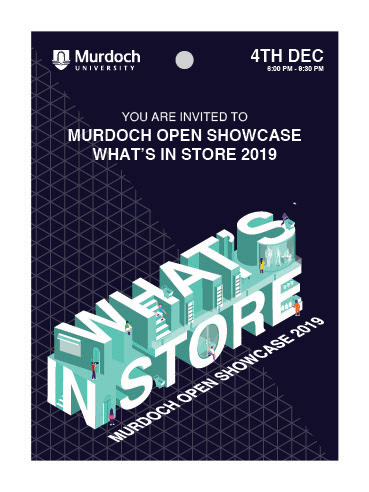
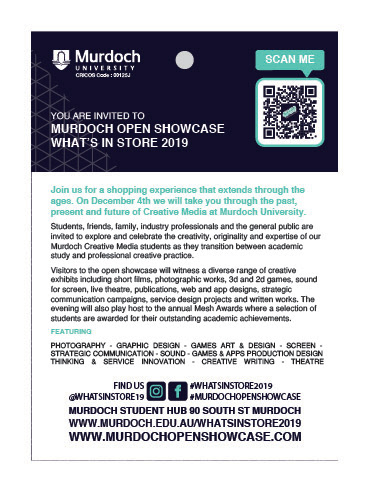
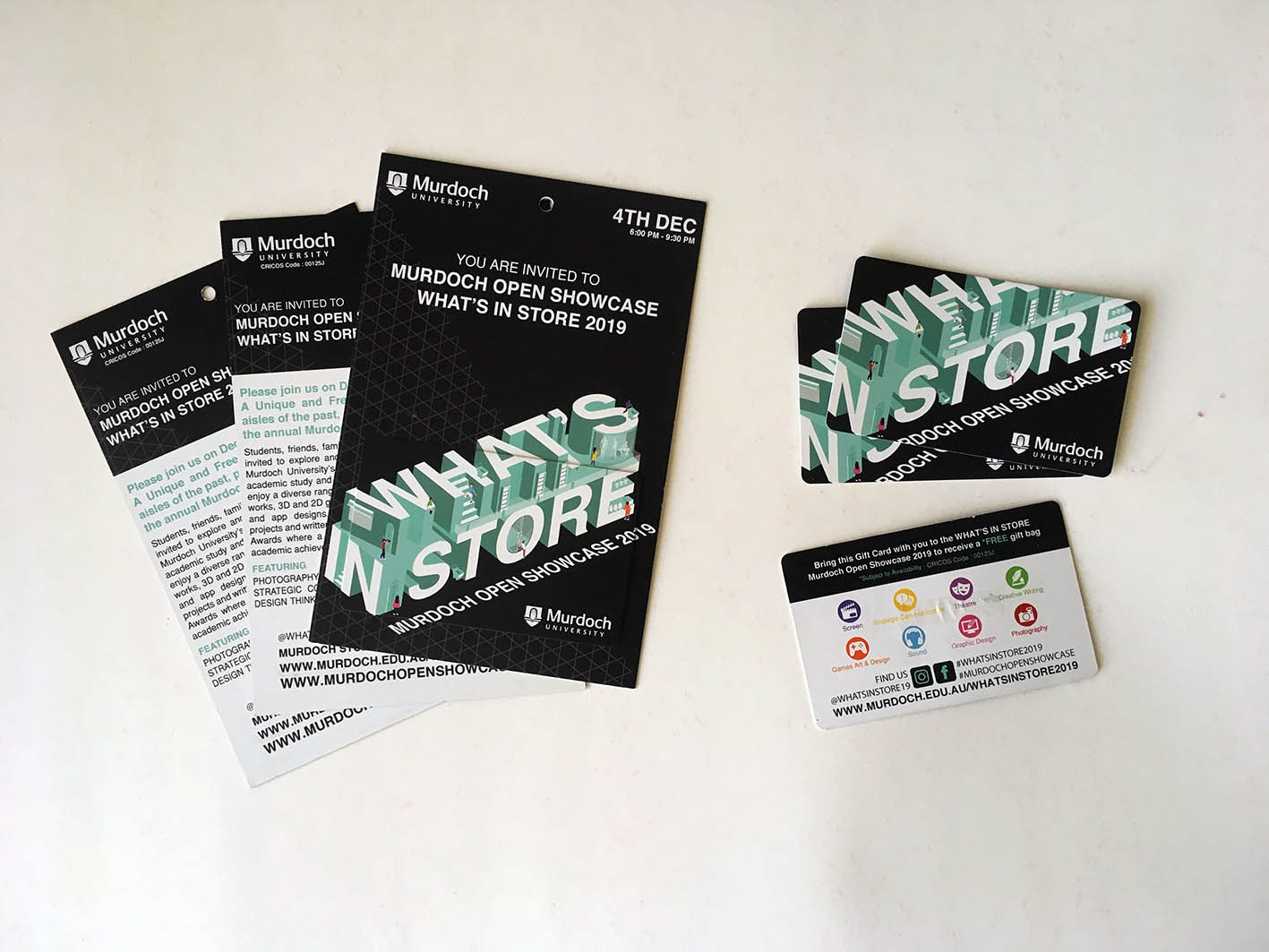
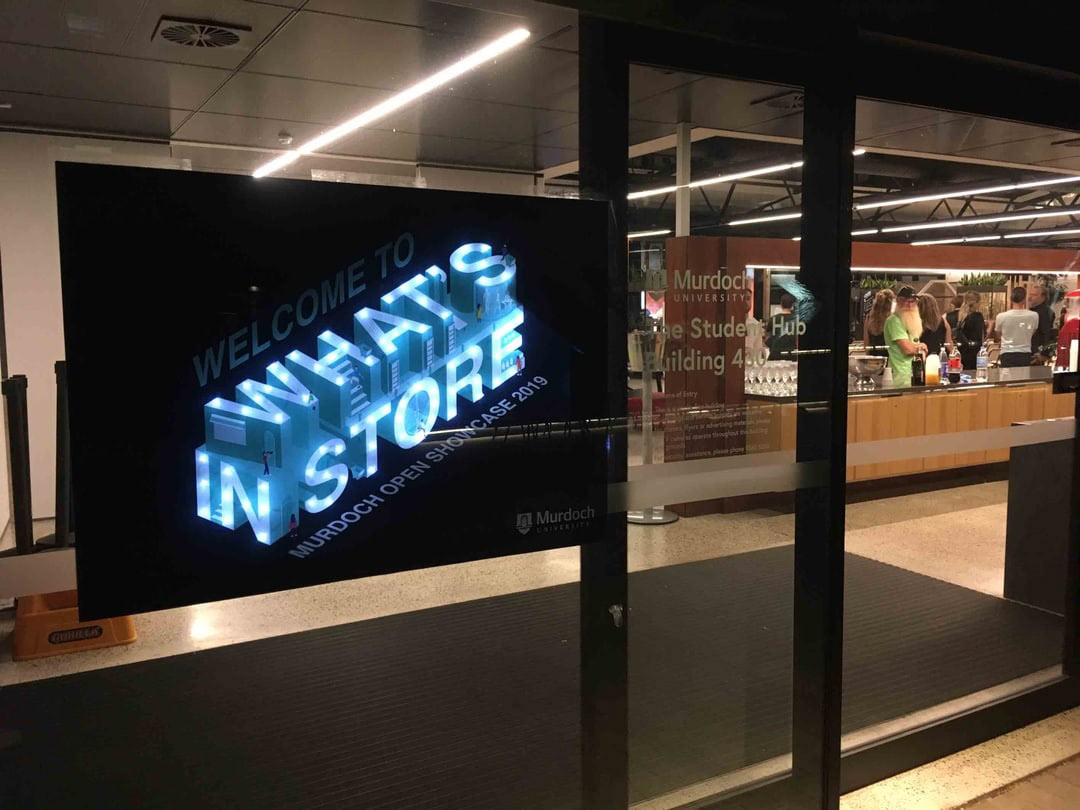
Our contributions focused on brand identity, marketing touchpoints and spatial design. We helped translate the event’s visual identity across posters, signage and creative promotional flyers, creating a consistent experience before and during the showcase.
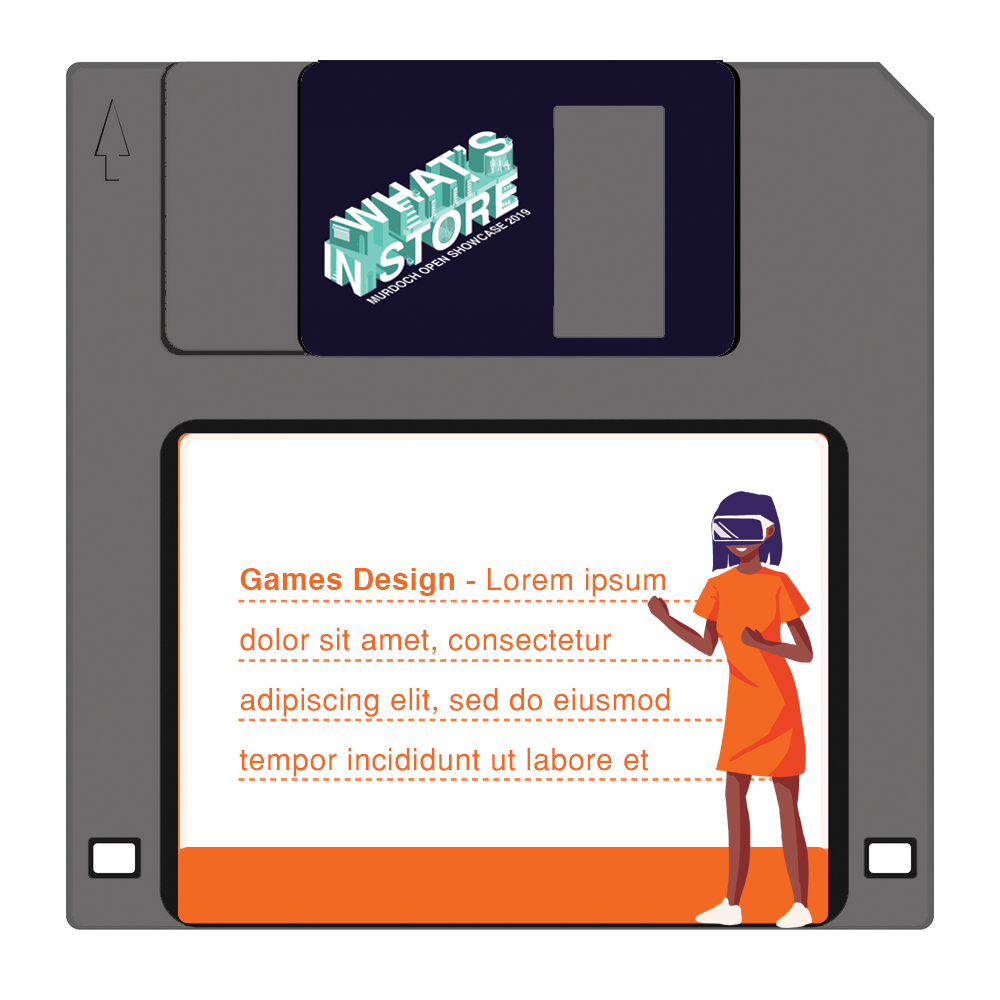
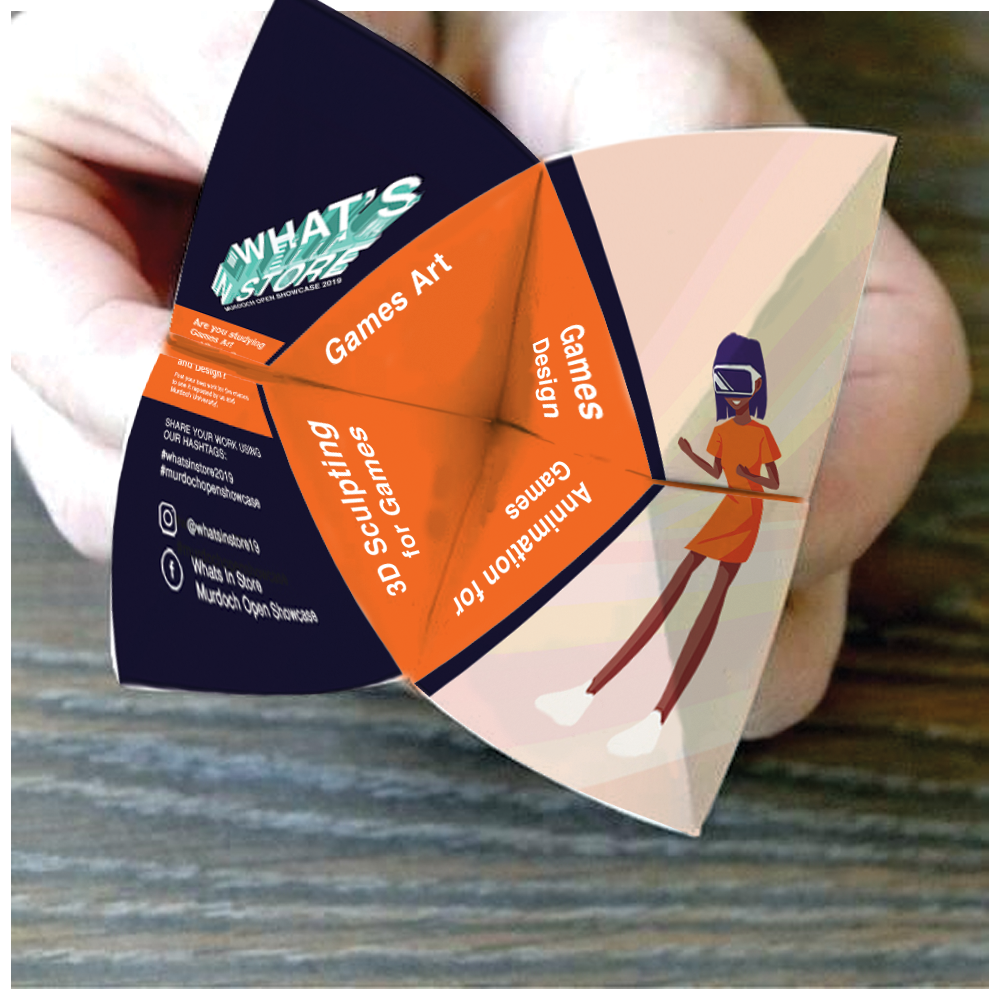
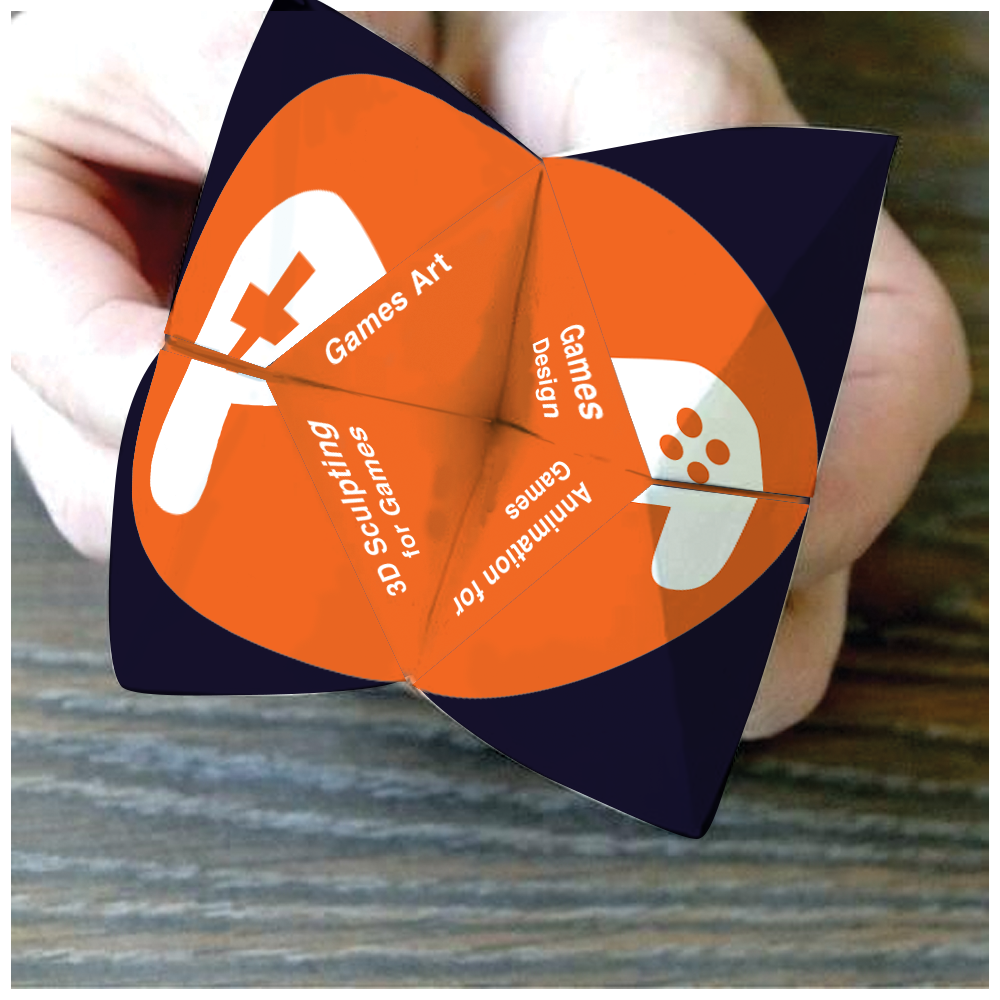
The Games Art and Design exhibition was Teayl's particular area of focus. Working with another student, she developed and prototyped touchpoints that helped distinguish the discipline while connecting it to the wider What’s in Store concept.
The Games Art and Design exhibition was Teayl's particular area of focus. Working with another student, she developed and prototyped touchpoints that helped distinguish the discipline while connecting it to the wider What’s in Store concept.


Teayl also contributed to planning the physical exhibition environment. This included:
Conducting a site visit
Photographing and documenting the venue
Taking measurements of the exhibition space
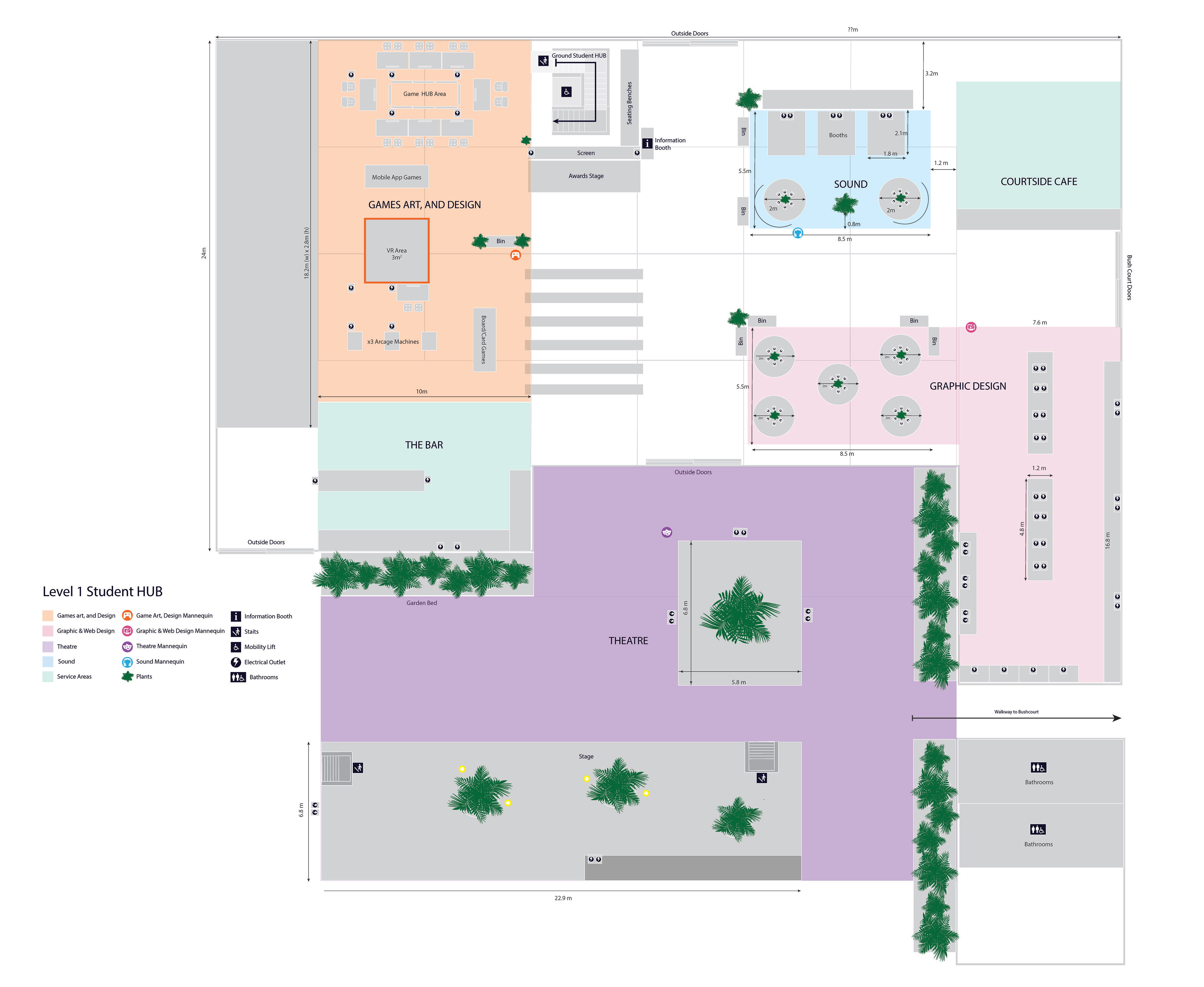
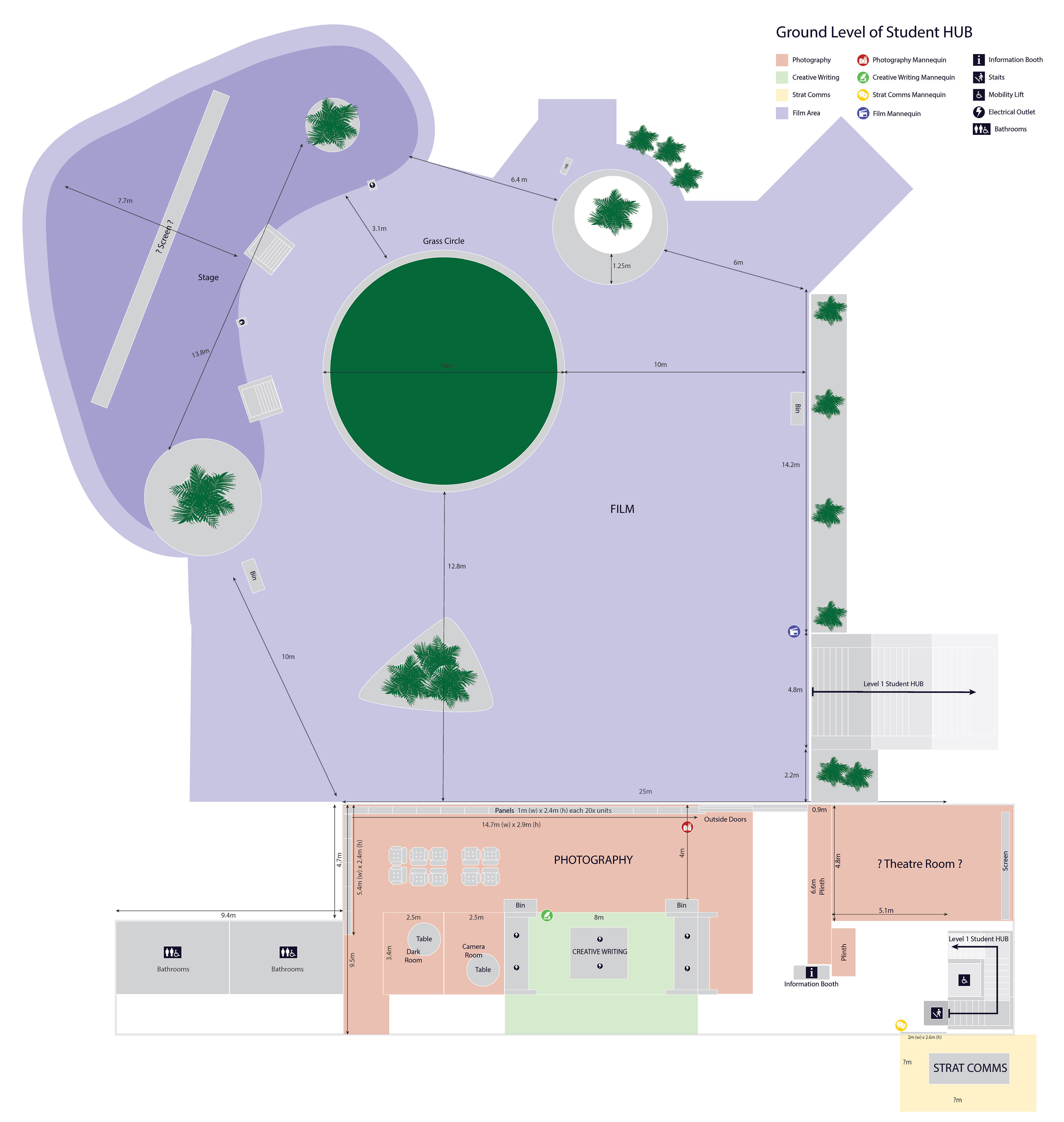
Translating the measurements into a spatial floor plan
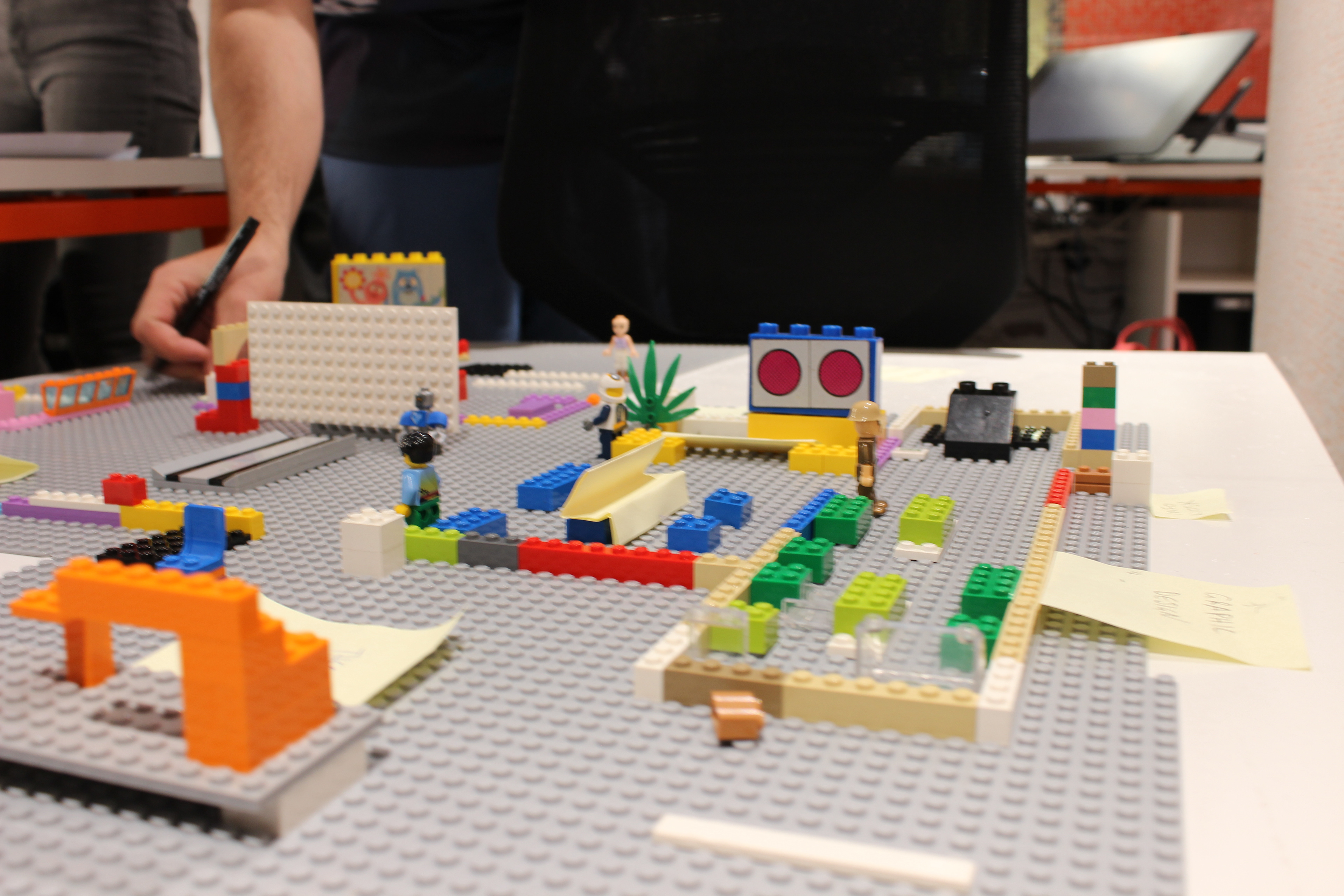
Building a LEGO prototype to explore the layout
Planning how displays, signage and visitor movement would work together
This process helped the team visualise the event before installation, test how the available space could be used and communicate the proposed layout to other team members.
Key Findings
A shared identity could unite different disciplines without erasing their individuality.
The shopping-centre concept gave the showcase a consistent visual language while allowing each discipline to create its own recognisable display area.
The shopping-centre concept gave the showcase a consistent visual language while allowing each discipline to create its own recognisable display area.
The exhibition space was an important visitor touchpoint.
Site visits, measurements, floor planning and prototyping showed that brand identity could not be considered separately from visitor movement, signage and the physical environment.
Site visits, measurements, floor planning and prototyping showed that brand identity could not be considered separately from visitor movement, signage and the physical environment.
Stakeholder input was essential to representing each discipline accurately.
Presenting early concepts to lecturers and department heads helped the team understand the practical needs of each exhibition area and refine the proposed experience before installation.
Presenting early concepts to lecturers and department heads helped the team understand the practical needs of each exhibition area and refine the proposed experience before installation.
Sources and acknowledgements
What’s in Store was collaboratively designed and delivered by Murdoch University’s 2019 GRD310 student team. The project was completed as part of Murdoch University’s Graphic Design program.
Project references
2019 showcase archive and catalogue
https://meshatmurdodev.wpengine.com/wp-content/themes/mesh-2026/2019%20MURDOCH-OPEN-SHOWCASE-WHATS-IN-STORE-2019-CATALOGUE_E.pdf
https://meshatmurdodev.wpengine.com/wp-content/themes/mesh-2026/2019%20MURDOCH-OPEN-SHOWCASE-WHATS-IN-STORE-2019-CATALOGUE_E.pdf
Archived What’s in Store website
https://creatishow2019.wpenginepowered.com/
https://creatishow2019.wpenginepowered.com/