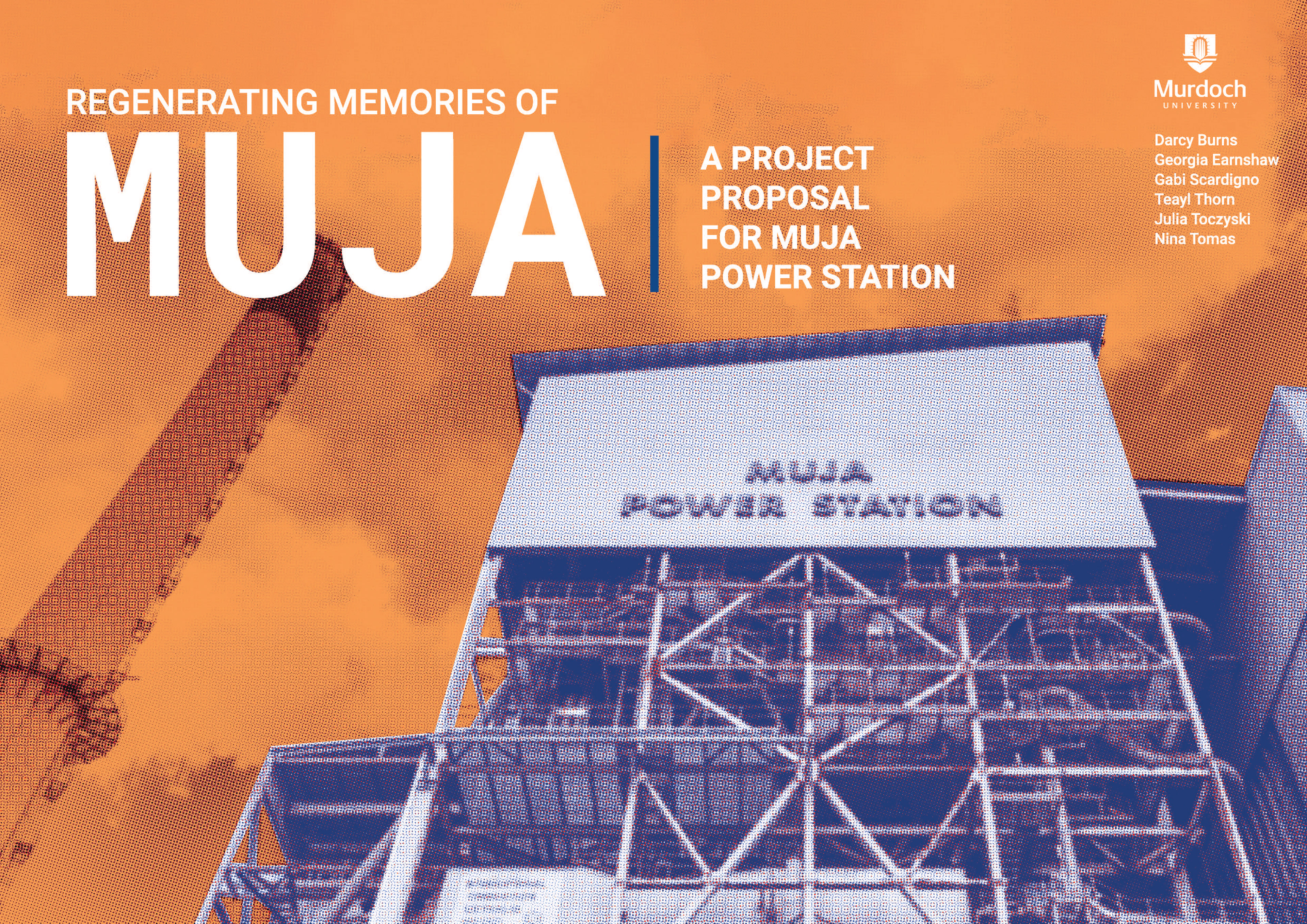
Preserving Industrial Heritage Through Community Storytelling
Service Design | Co-design | Experience Design | 2021
Project Overview
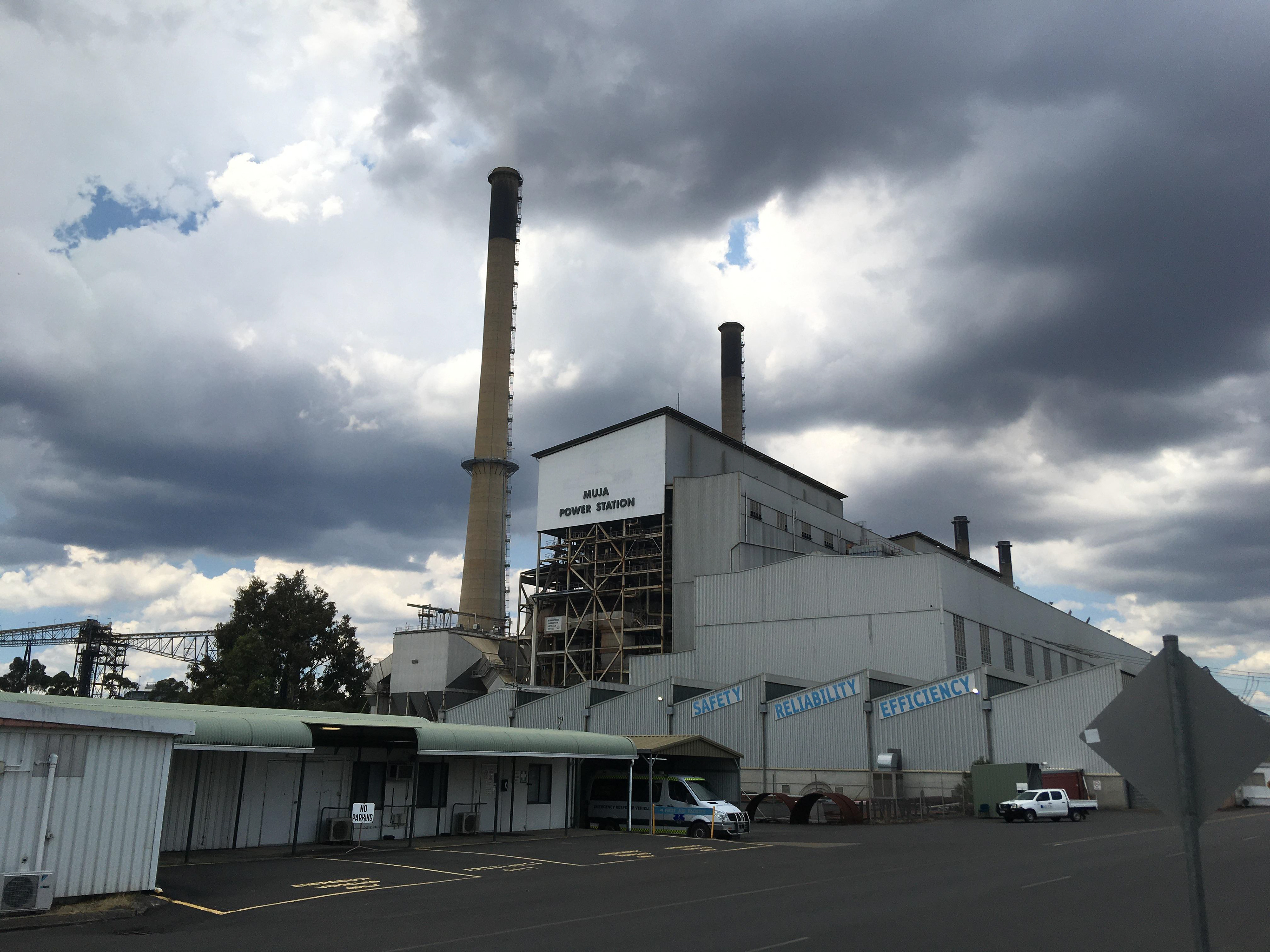
When Muja Power Station approached our multidisciplinary design team, the challenge was to explore ways to capture and communicate the history of one of Western Australia’s most significant energy facilities as it approached the retirement of Stage C.
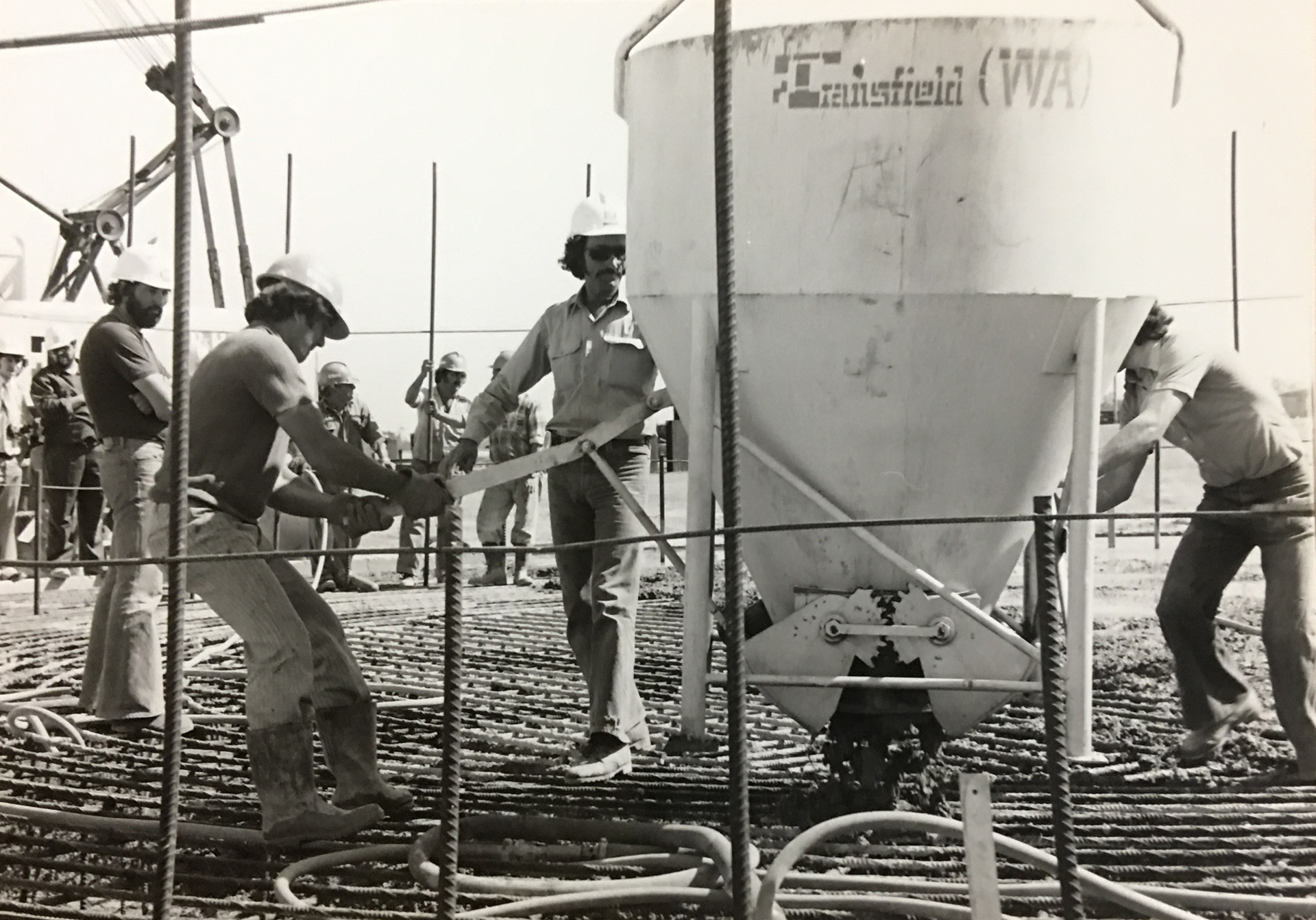
Through research with the Collie community, we discovered that Muja was more than an industrial site — it represented generations of employment, family history, community identity, and the growth of Western Australia’s energy network.
Our team explored how storytelling, digital experiences, and community-led design could help preserve this legacy while supporting Collie’s transition toward a sustainable future.
Client: Synergy
Location: Collie, Western Australia
Team: Multidisciplinary Murdoch University Design Team
My Role:
Location: Collie, Western Australia
Team: Multidisciplinary Murdoch University Design Team
My Role:
The Challenge
How might we honour Muja’s history while helping the Collie community feel confident about its future?
The initial brief focused on capturing the history of Muja Power Station as it approached retirement.
However, research revealed a much broader challenge:
- Muja was deeply connected to community identity.
- The closure represented uncertainty for workers and residents.
- Existing narratives often portrayed Collie only as a “coal town”.
- There was an opportunity to celebrate the contribution Muja had made to Western Australia.
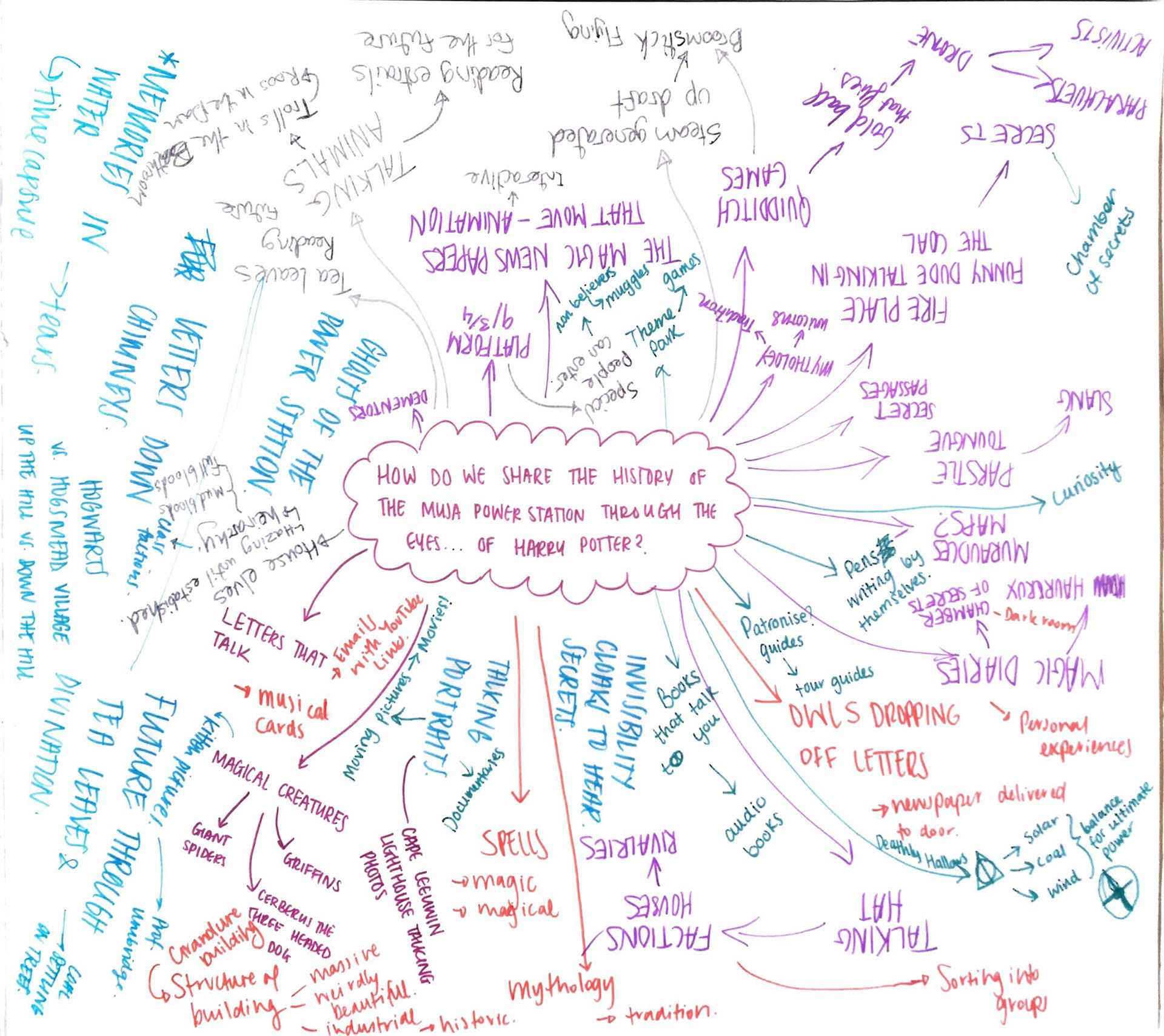
This shifted our focus from creating a historical archive to designing a living storytelling ecosystem.
Research & Insights
Understanding Collie
Our research combined:
- Desk research into energy transitions and industrial heritage projects
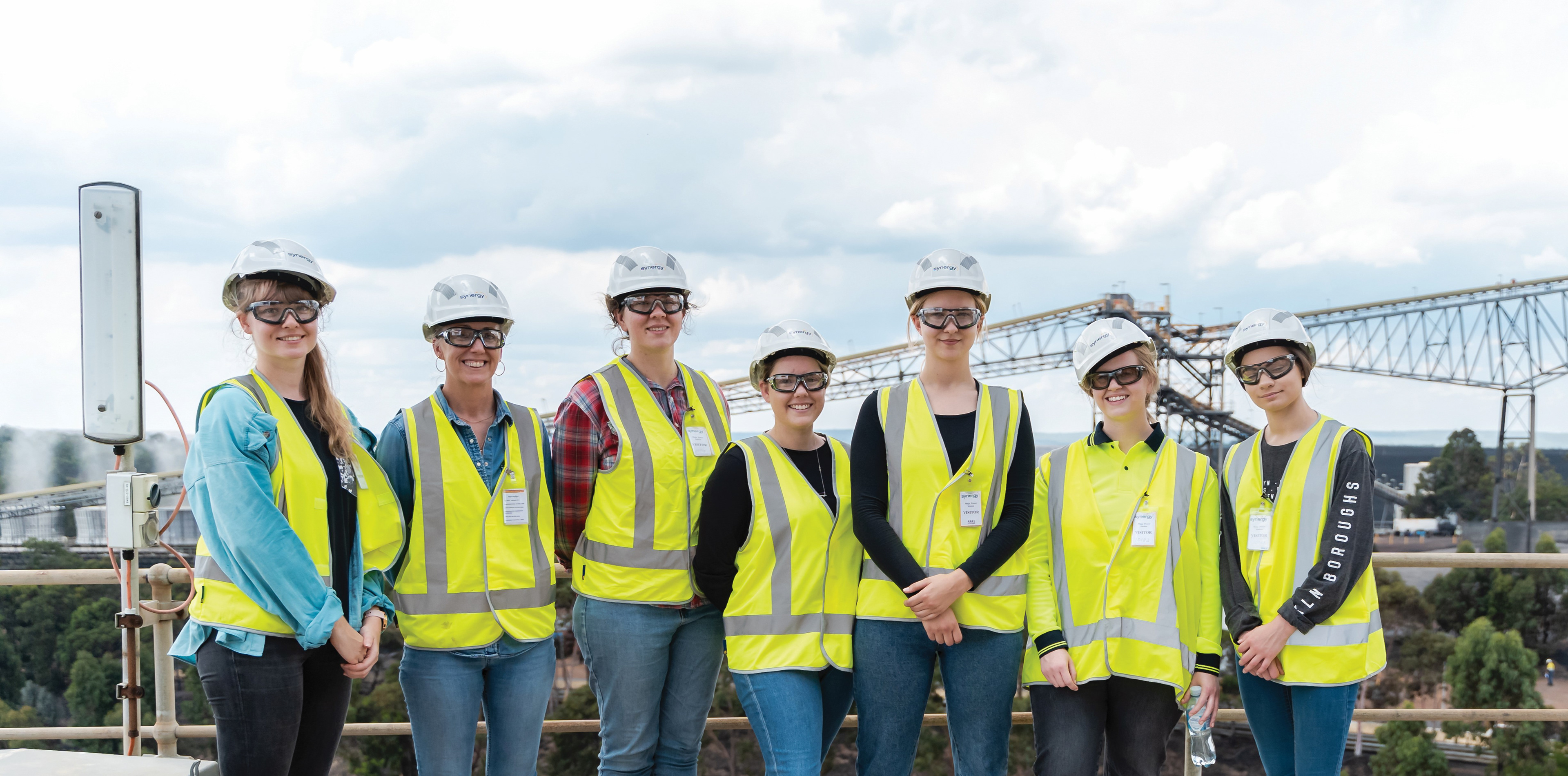
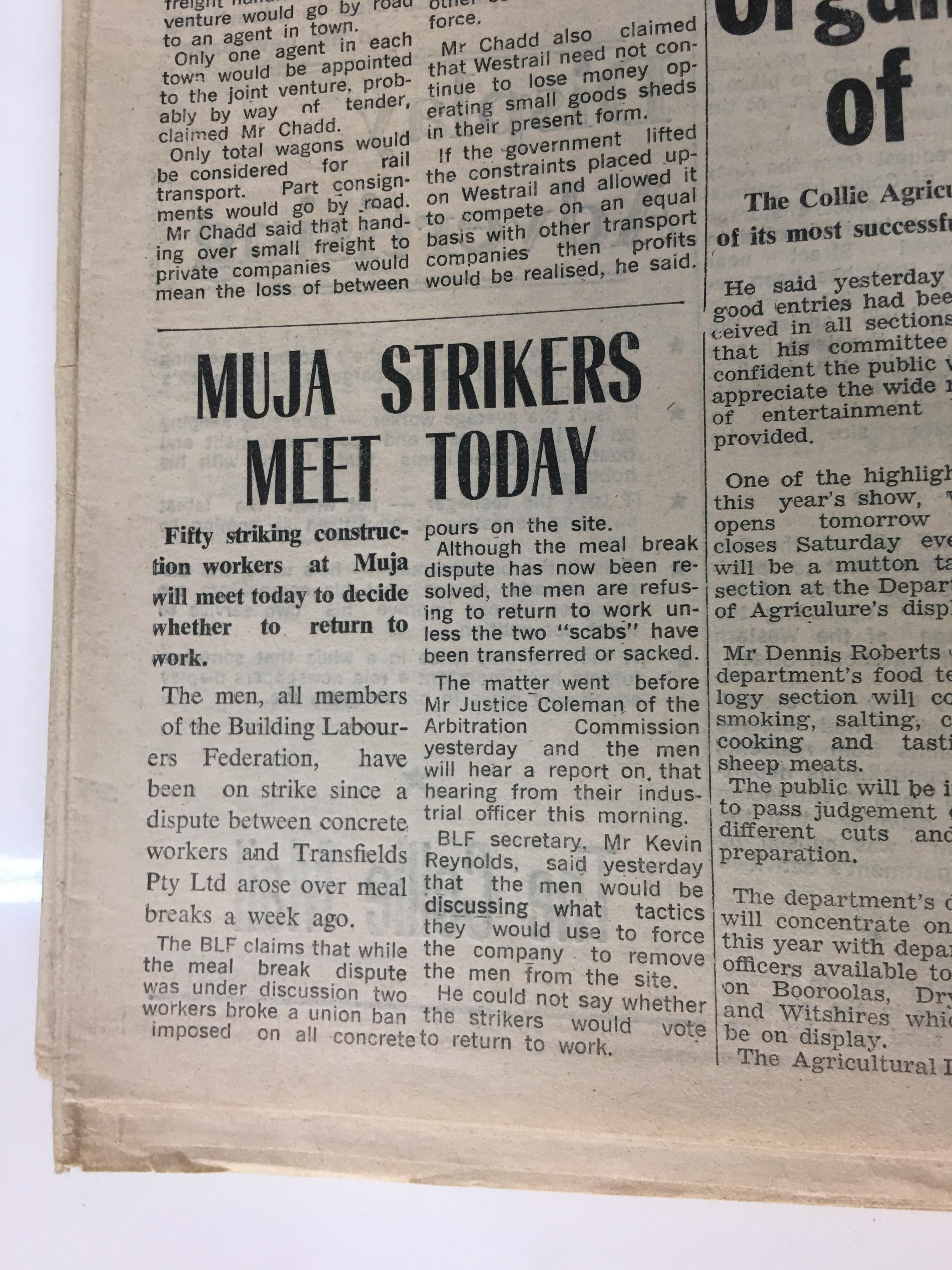
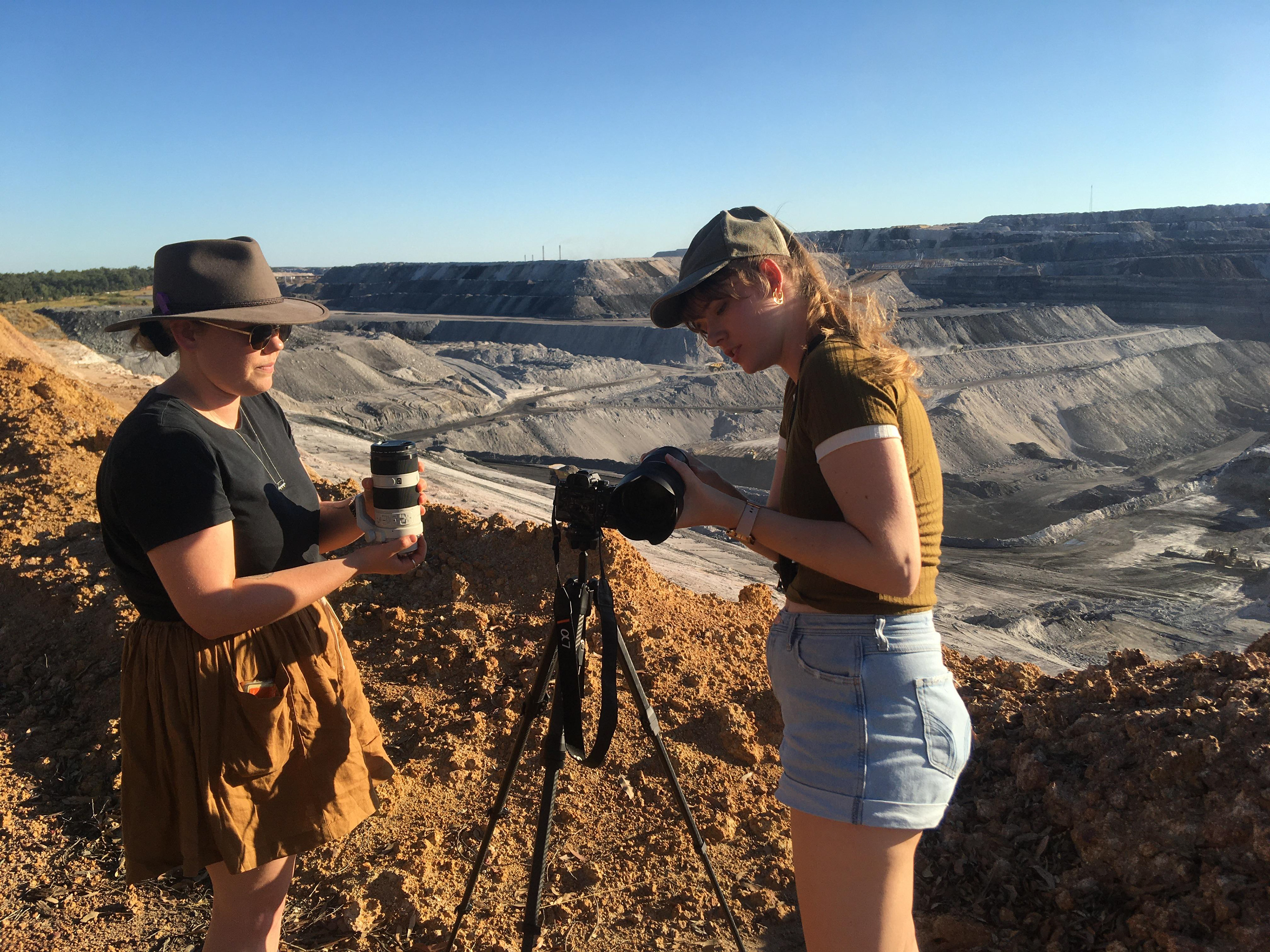
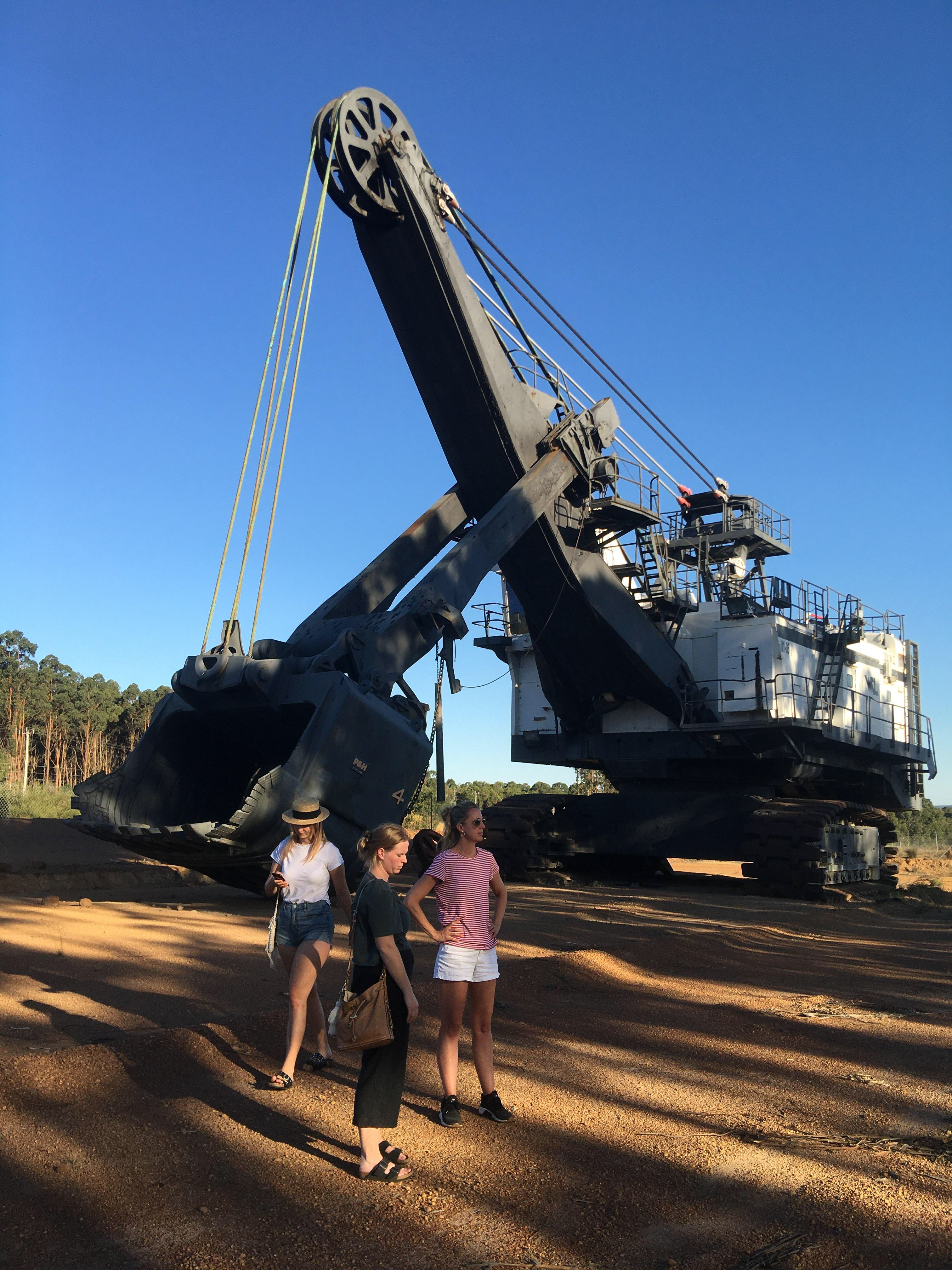
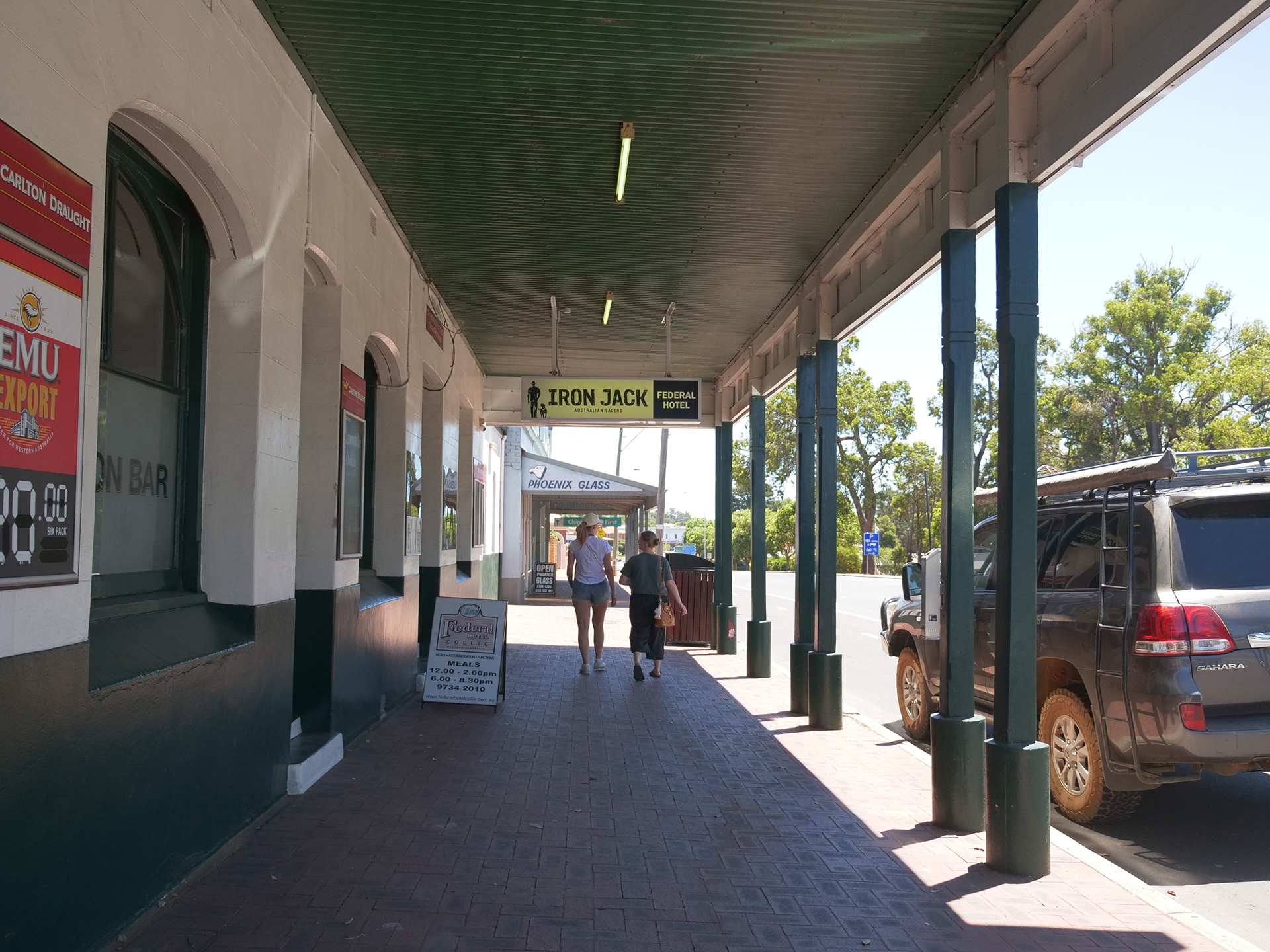
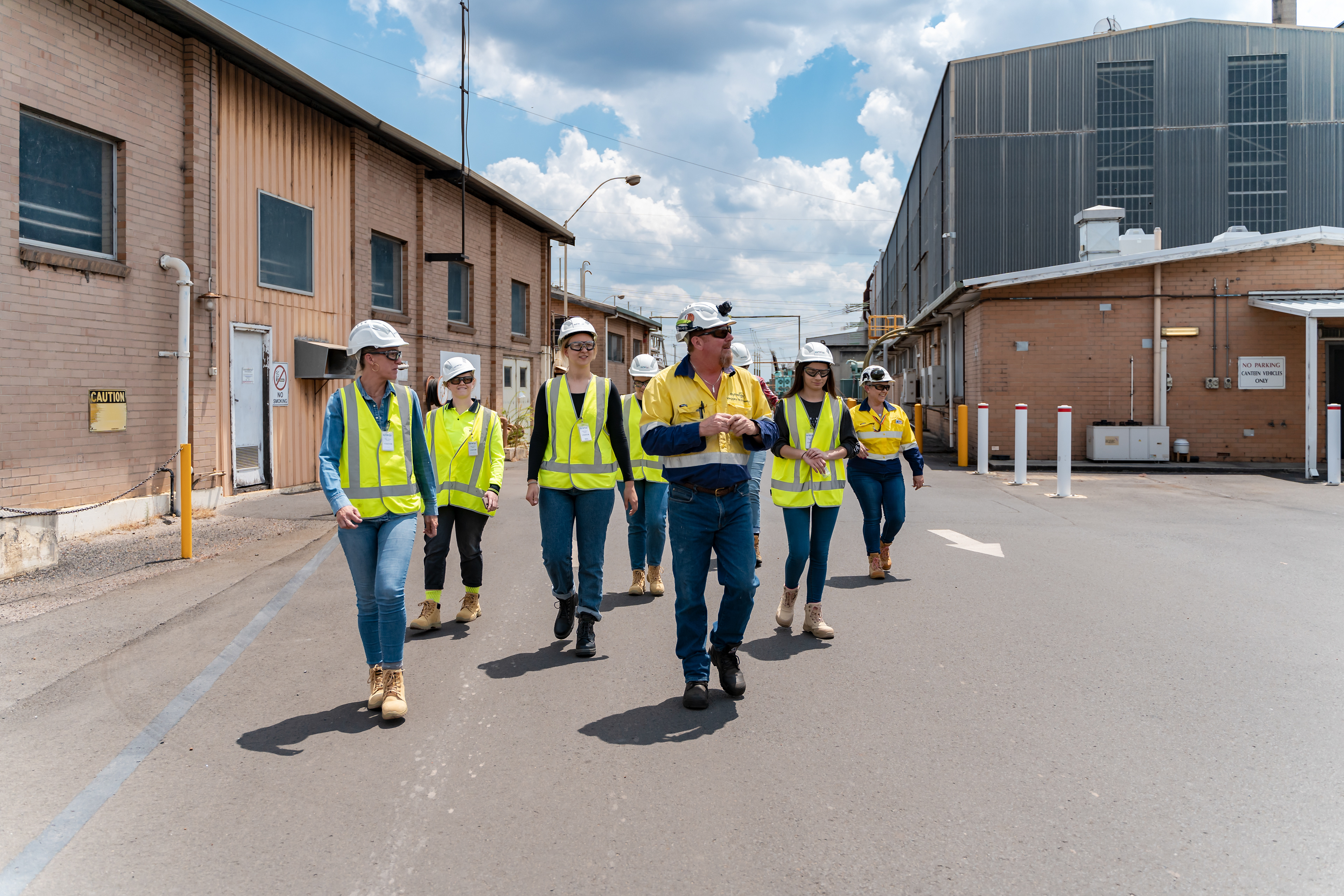
- Site visits to Collie and Muja Power Station
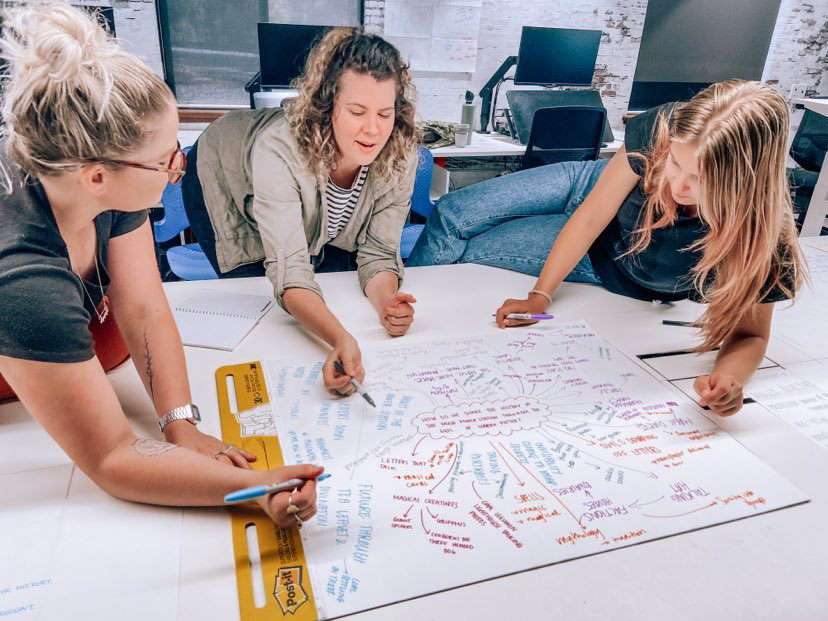
- Community conversations and stakeholder engagement
- Analysis of comparable projects internationally
Key Insight 1:
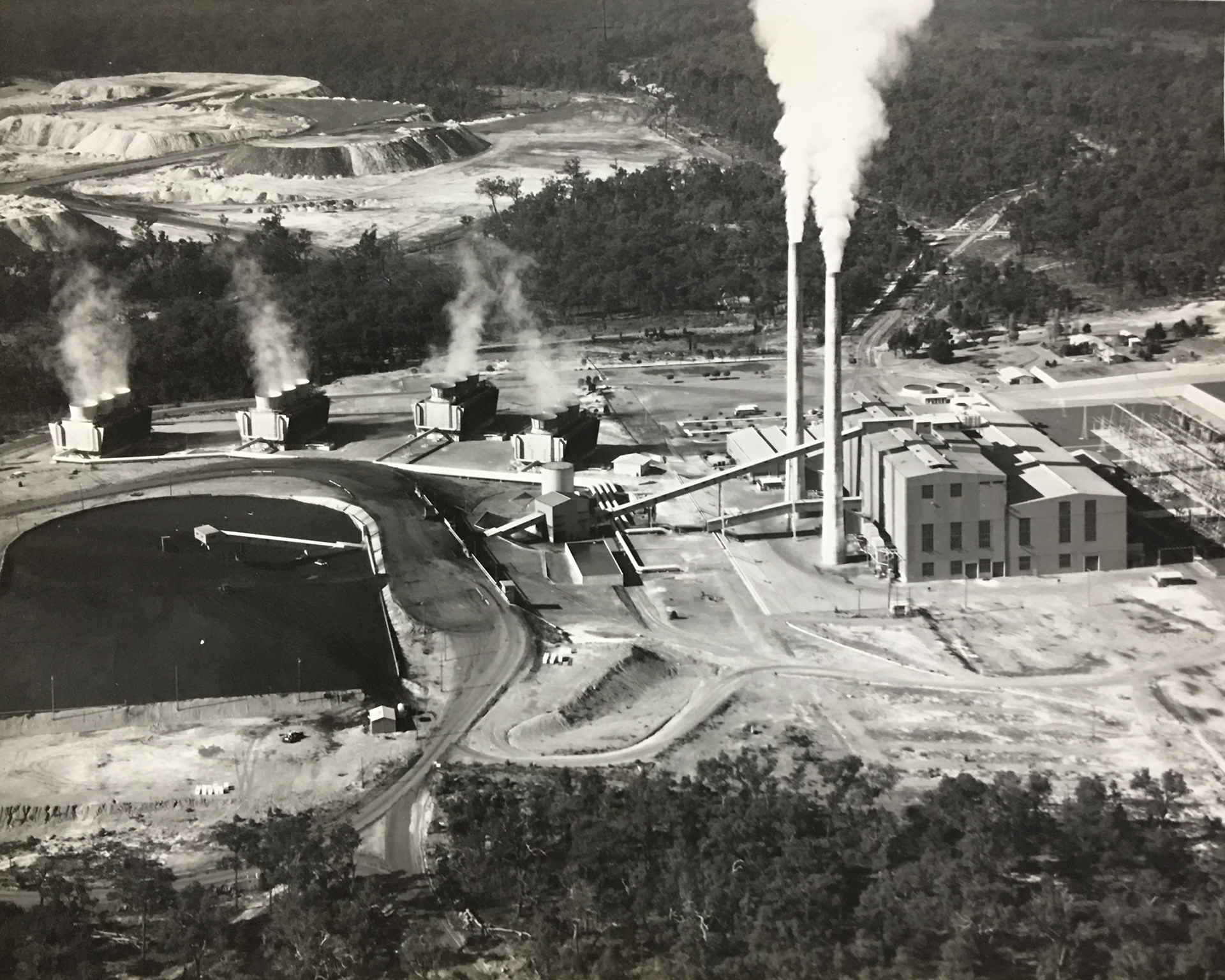
Muja was not just infrastructure — it was part of people’s identity.
Workers shared stories of friendships, careers, family connections, and pride in powering Western Australia.
Key Insight 2:
Preserving history required community ownership.
Rather than designing a solution that simply documented the past, we explored ways for the community to actively contribute stories and shape how Muja would be remembered.
Key Insight 3:
A single artefact could not represent the complexity of Muja’s legacy.
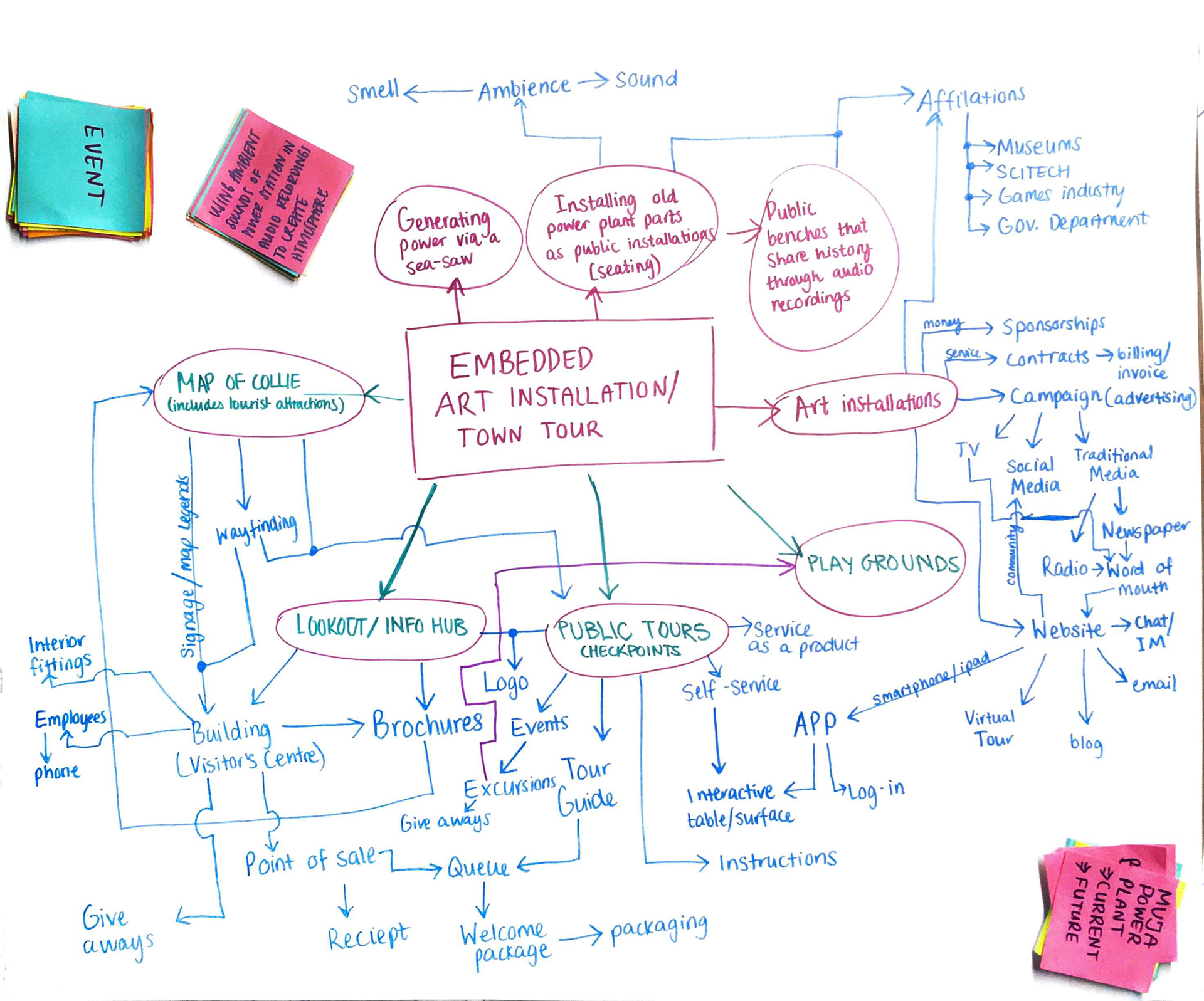
The outcome needed to become a connected service system combining physical, digital, and social experiences.
Design Direction
From Archive to Experience
Our final concept moved beyond a traditional historical book.
We designed a connected ecosystem of experiences that allowed people to:
- Share personal stories
- Explore Muja’s history
- Engage with the town of Collie
- Connect past achievements with future possibilities
The proposed ecosystem included:
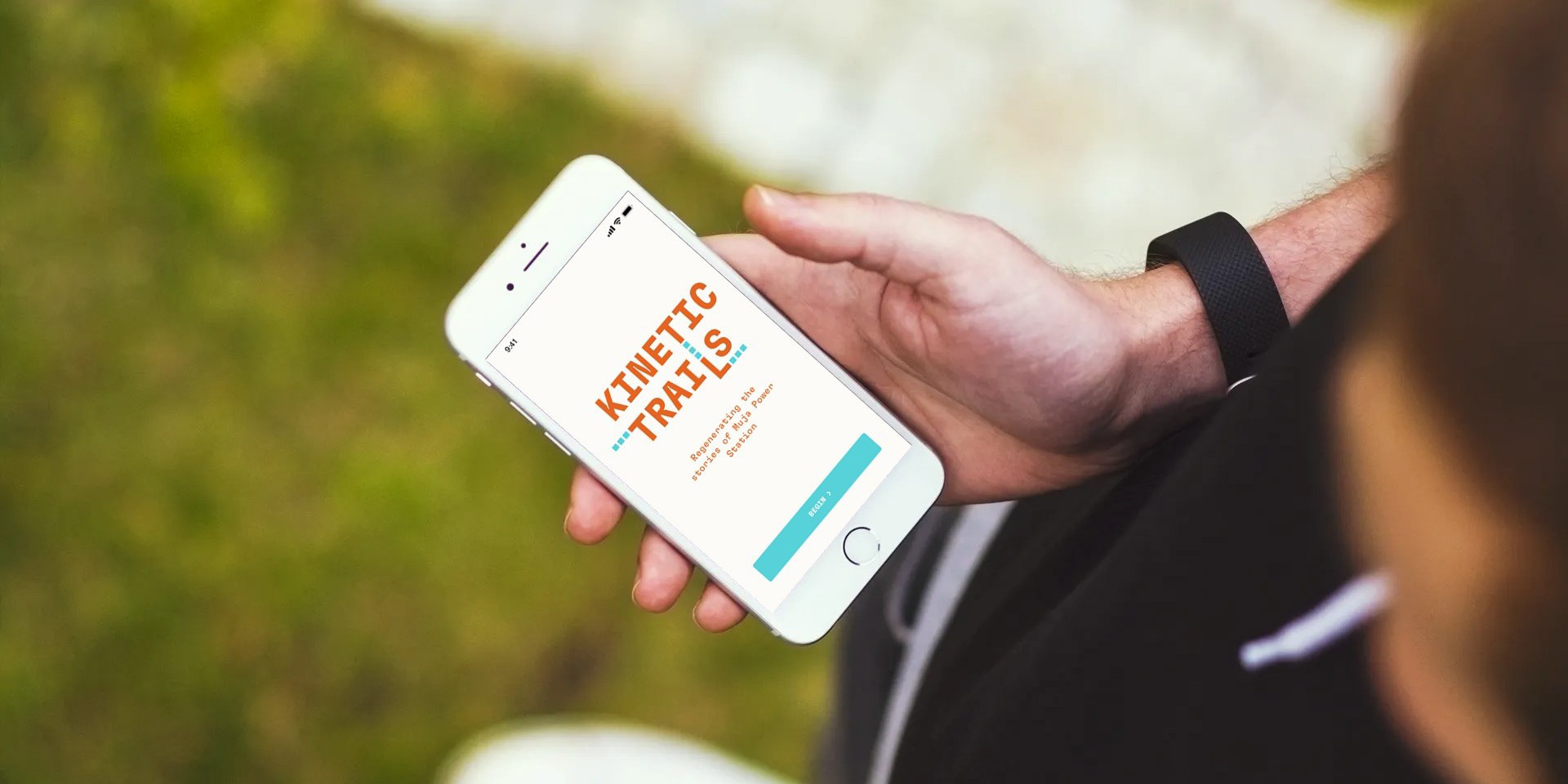
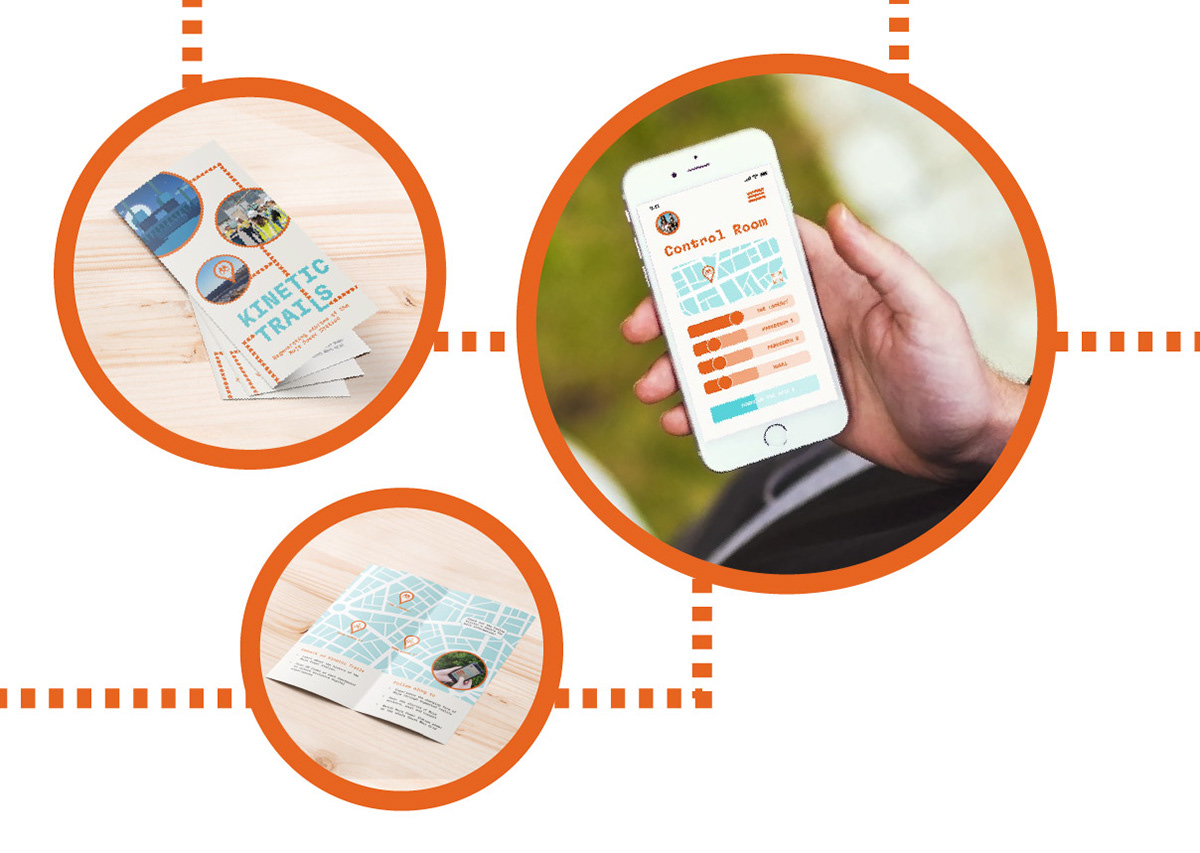
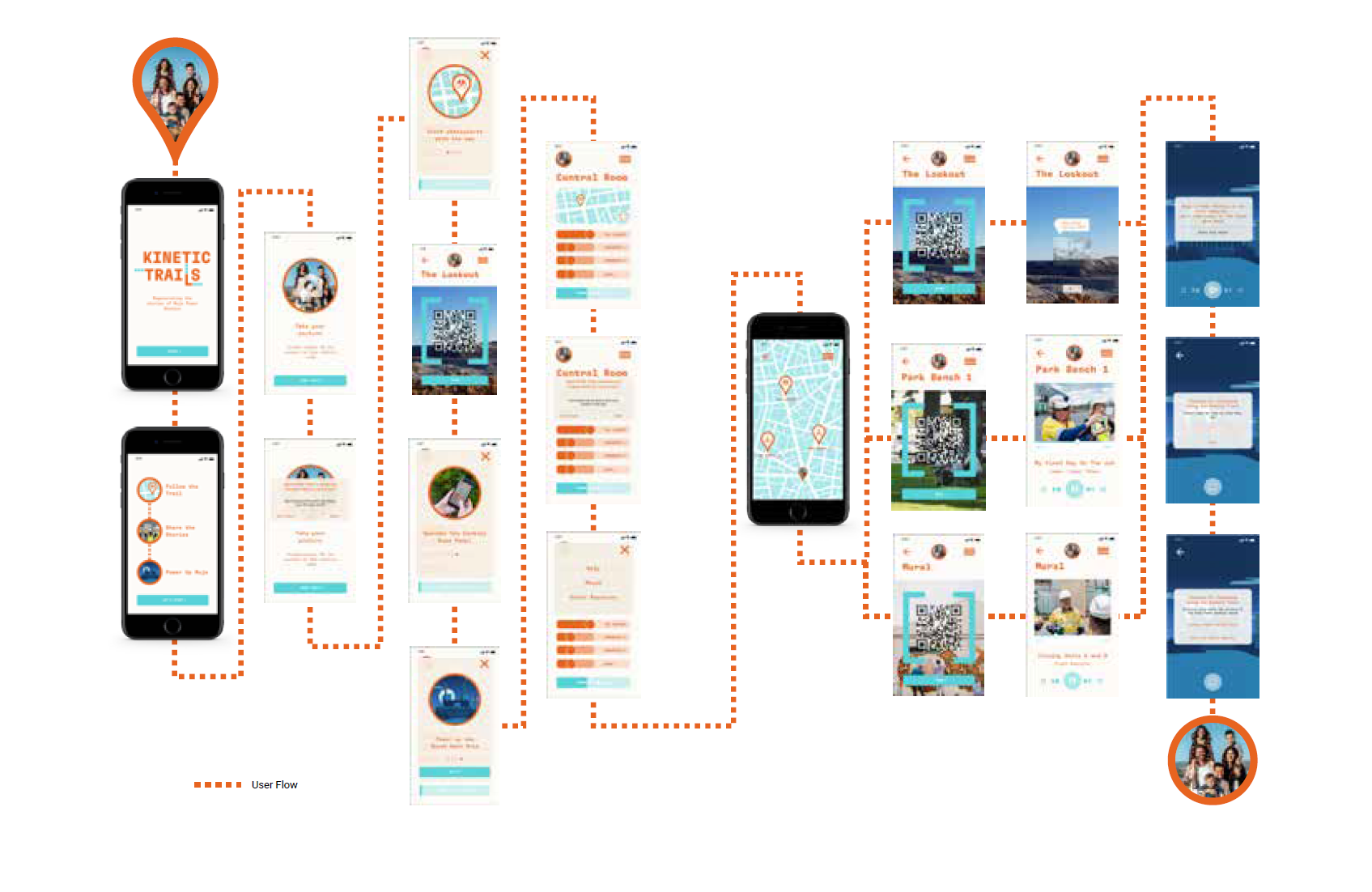
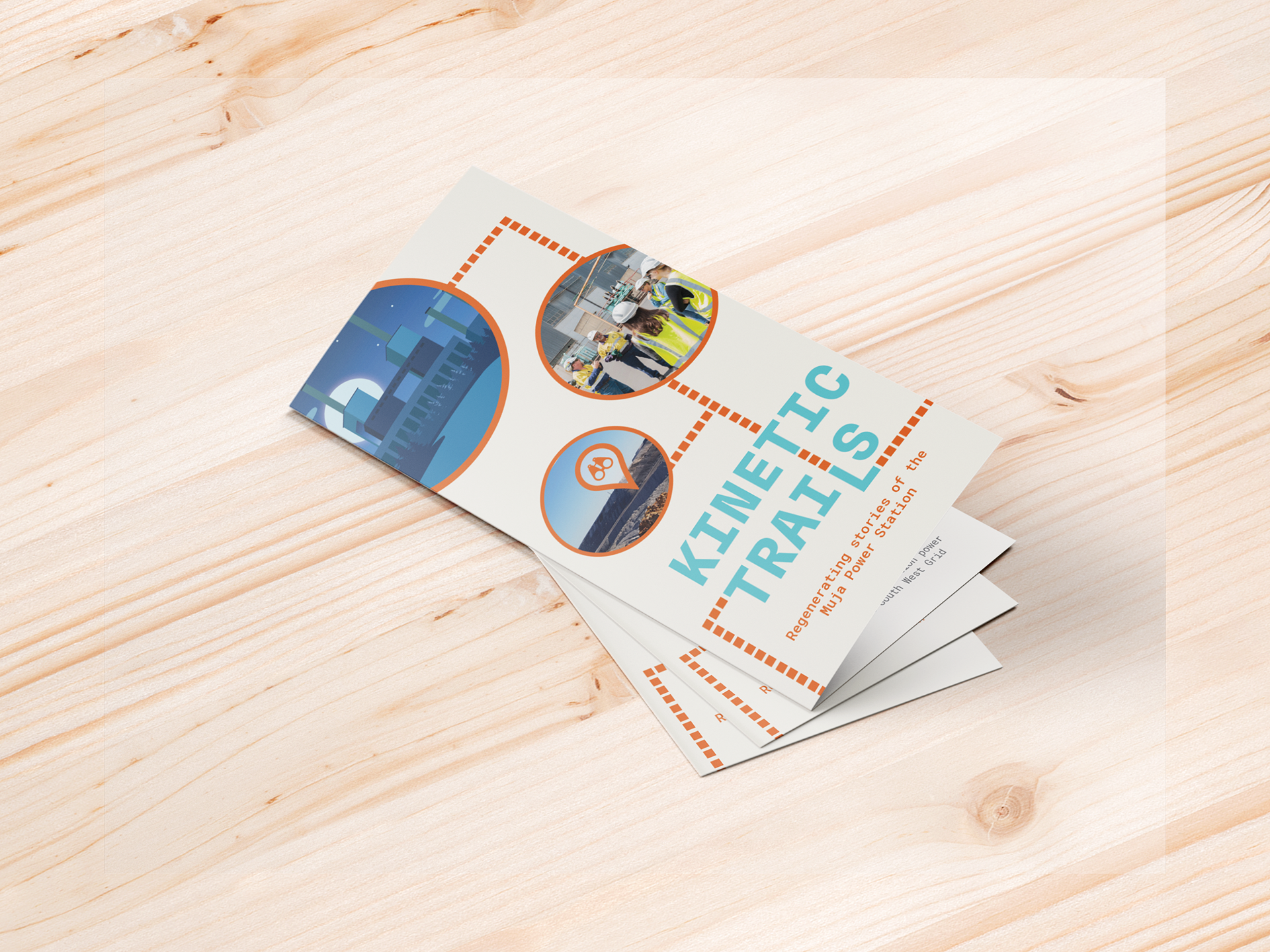
Kinetic Trails App
A digital storytelling experience connecting Collie
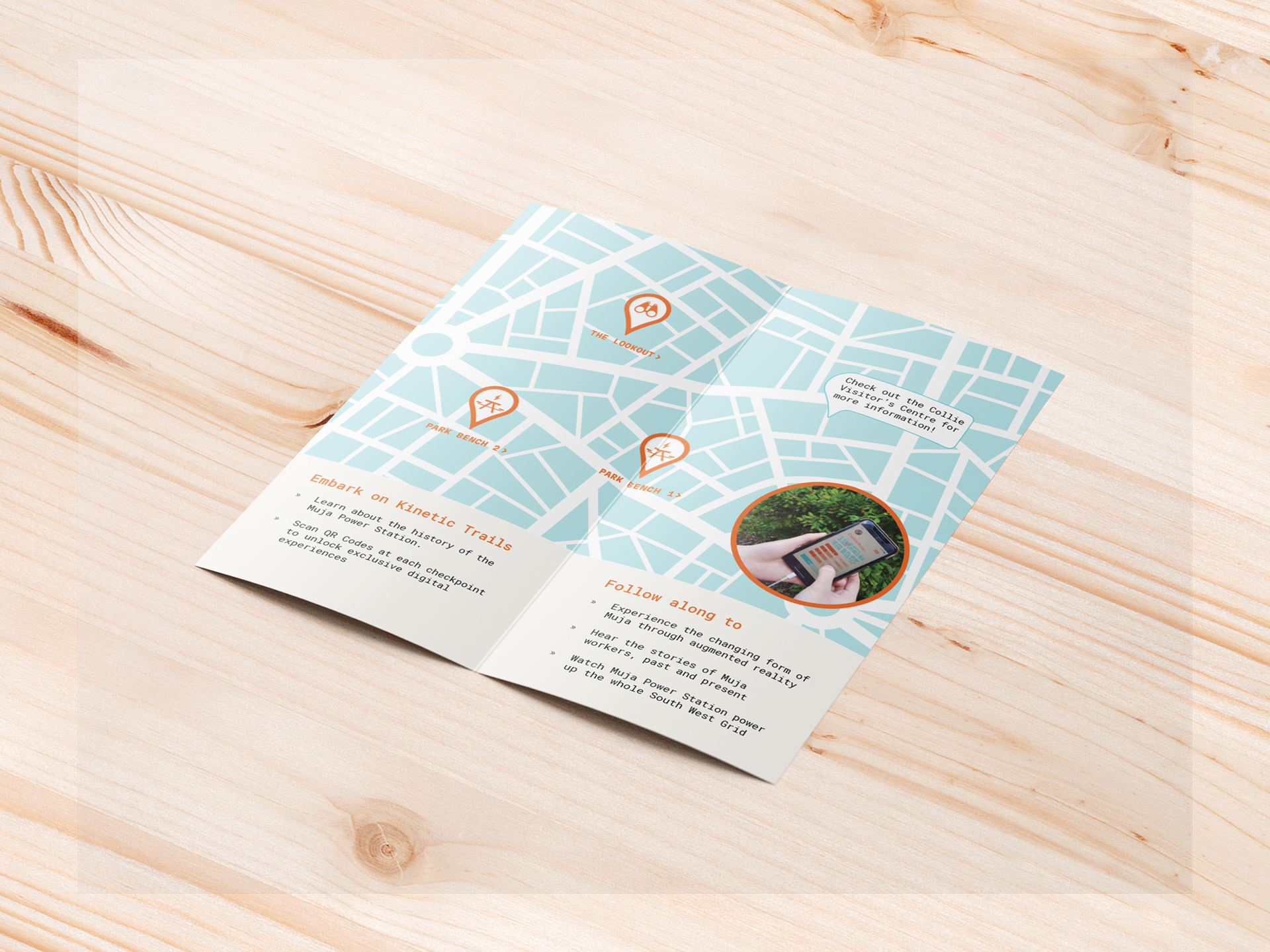
The Kinetic Trails app transformed Collie into an interactive historical journey.
Combining:
- Wayfinding
- Gamification
- Augmented reality
- Audio storytelling
- Location-based experiences
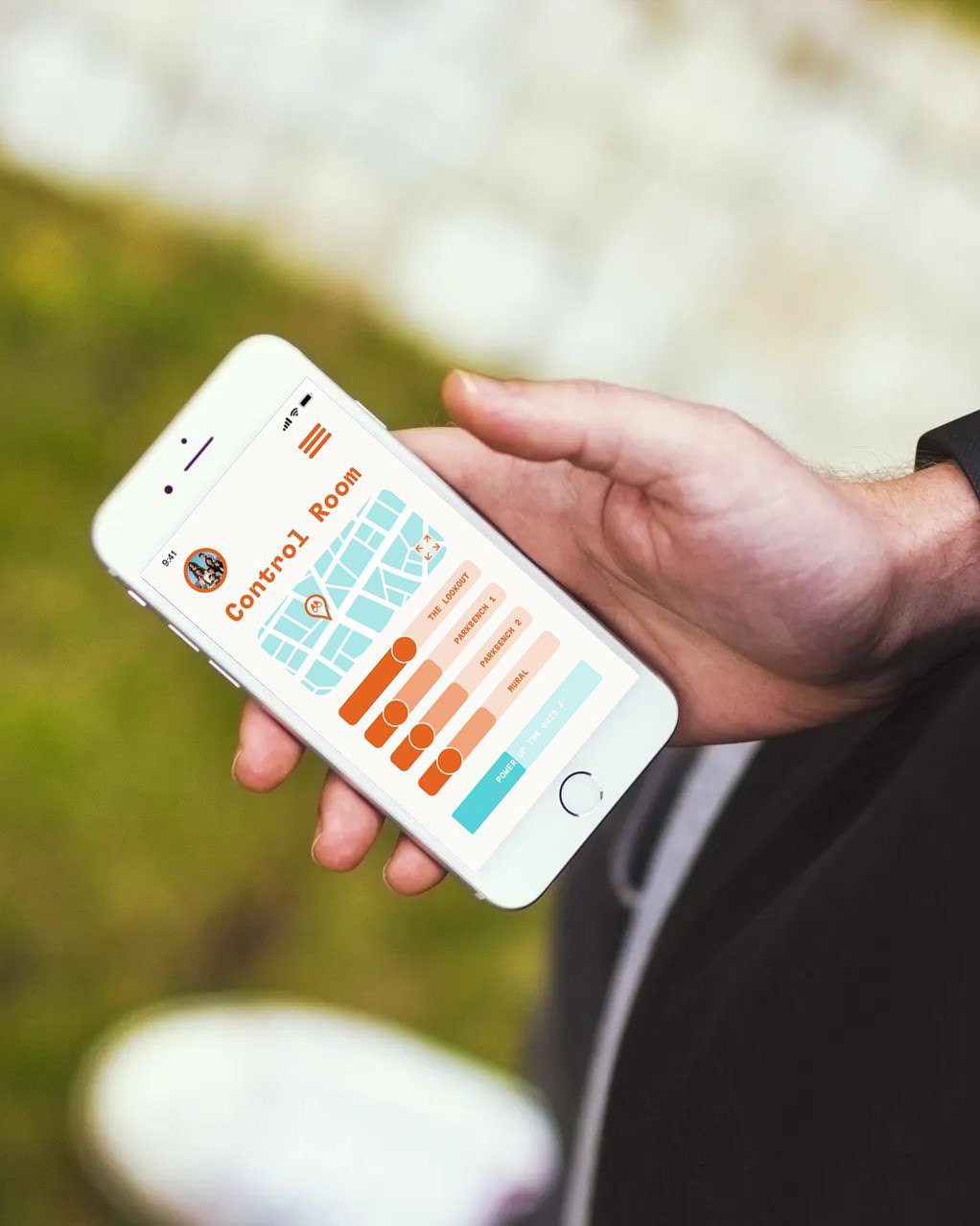
Visitors could explore significant locations, unlock stories, and digitally “power up” Muja through the app.
Experience Example
Visitors begin by creating their own digital worker access card before exploring a map of Collie.
At each location, QR codes unlock:
- Historical stories
- Worker interviews
- AR experiences
- Animations
- Digital content
Completing the trail reveals Muja’s contribution to powering Western Australia.
Purpose:
To shift perceptions of Collie from a coal-dependent town to a place rich in history, innovation, and future potential.
To shift perceptions of Collie from a coal-dependent town to a place rich in history, innovation, and future potential.
Community Storytelling Event
Capturing lived experiences
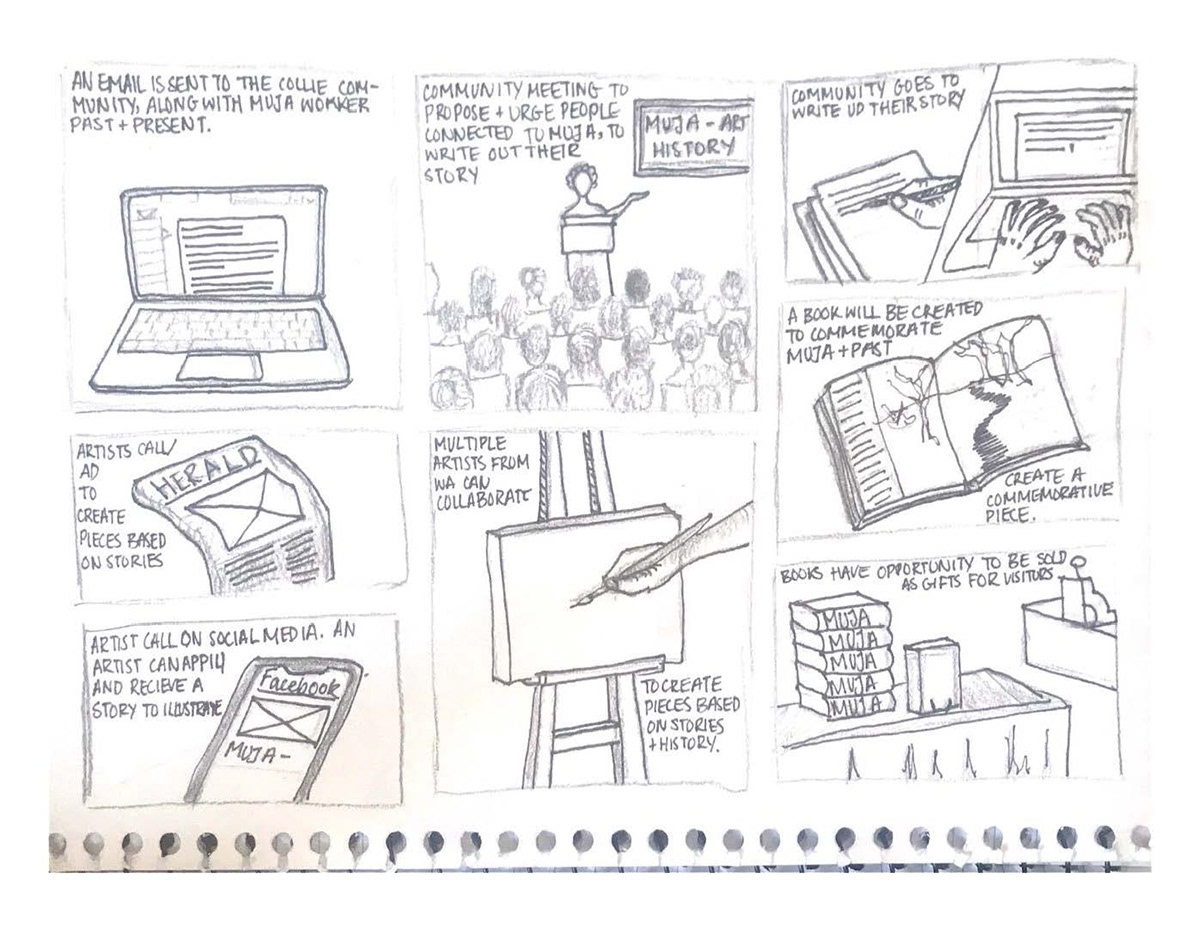
The storytelling event created a space for Muja workers, residents, and community members to share personal memories.
Stories could include:
- Workplace experiences
- Friendships
- Family connections
- Significant events
- Personal reflections
These stories became the foundation for future outputs including:
- Illustrated artworks
- Digital archives
- Community publications
- Exhibitions
The focus was not only preserving history, but allowing the community to own and shape its narrative.
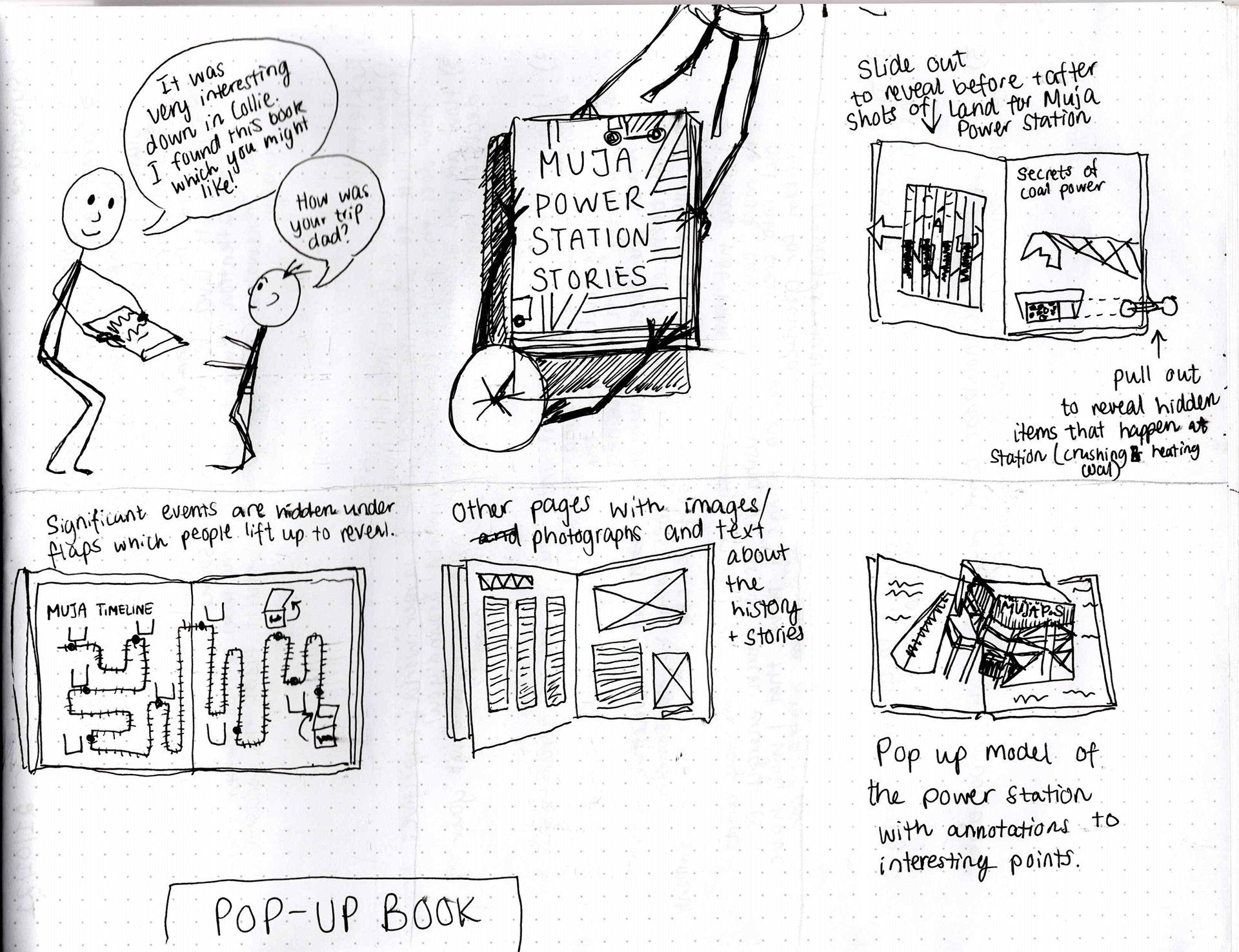
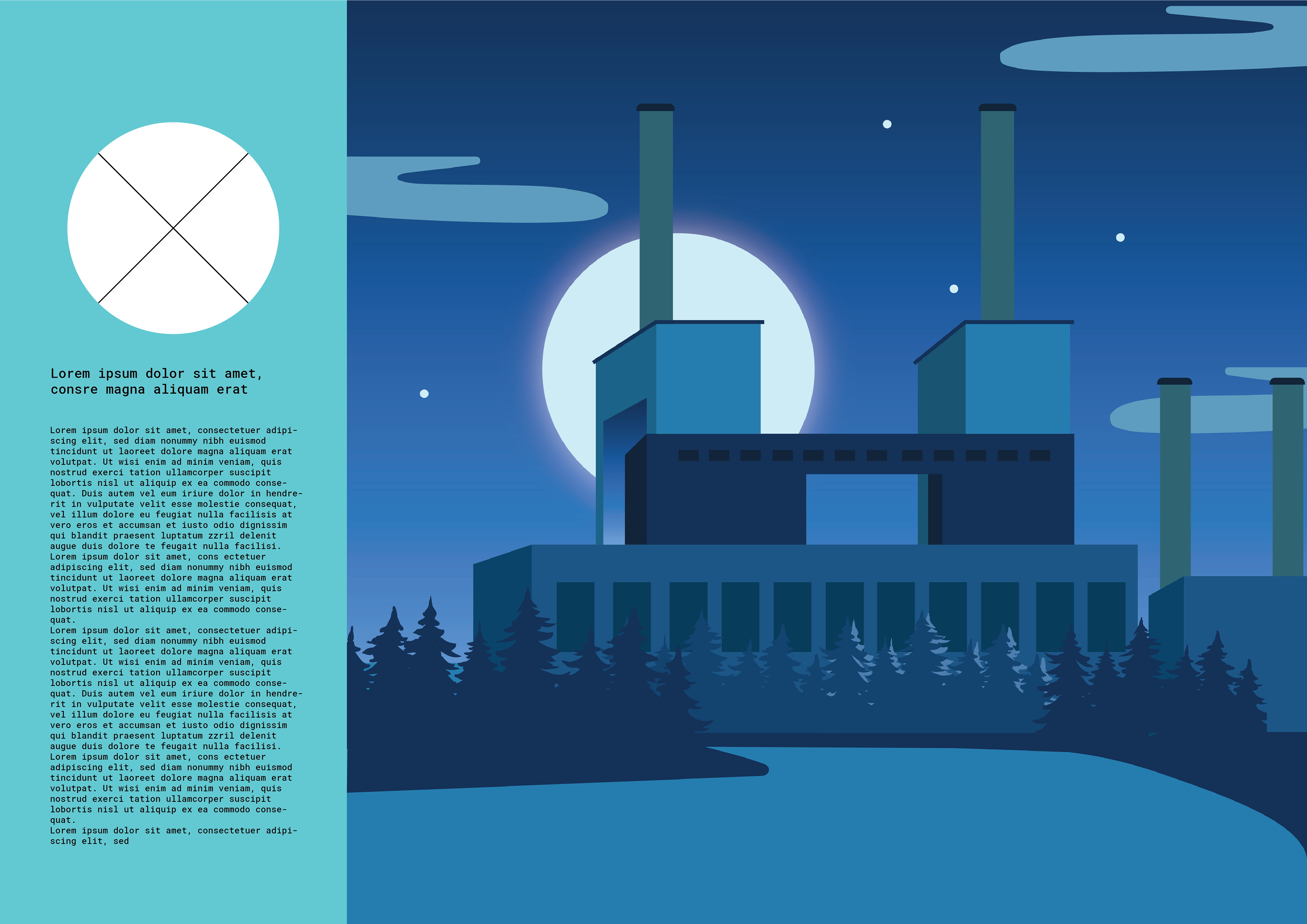
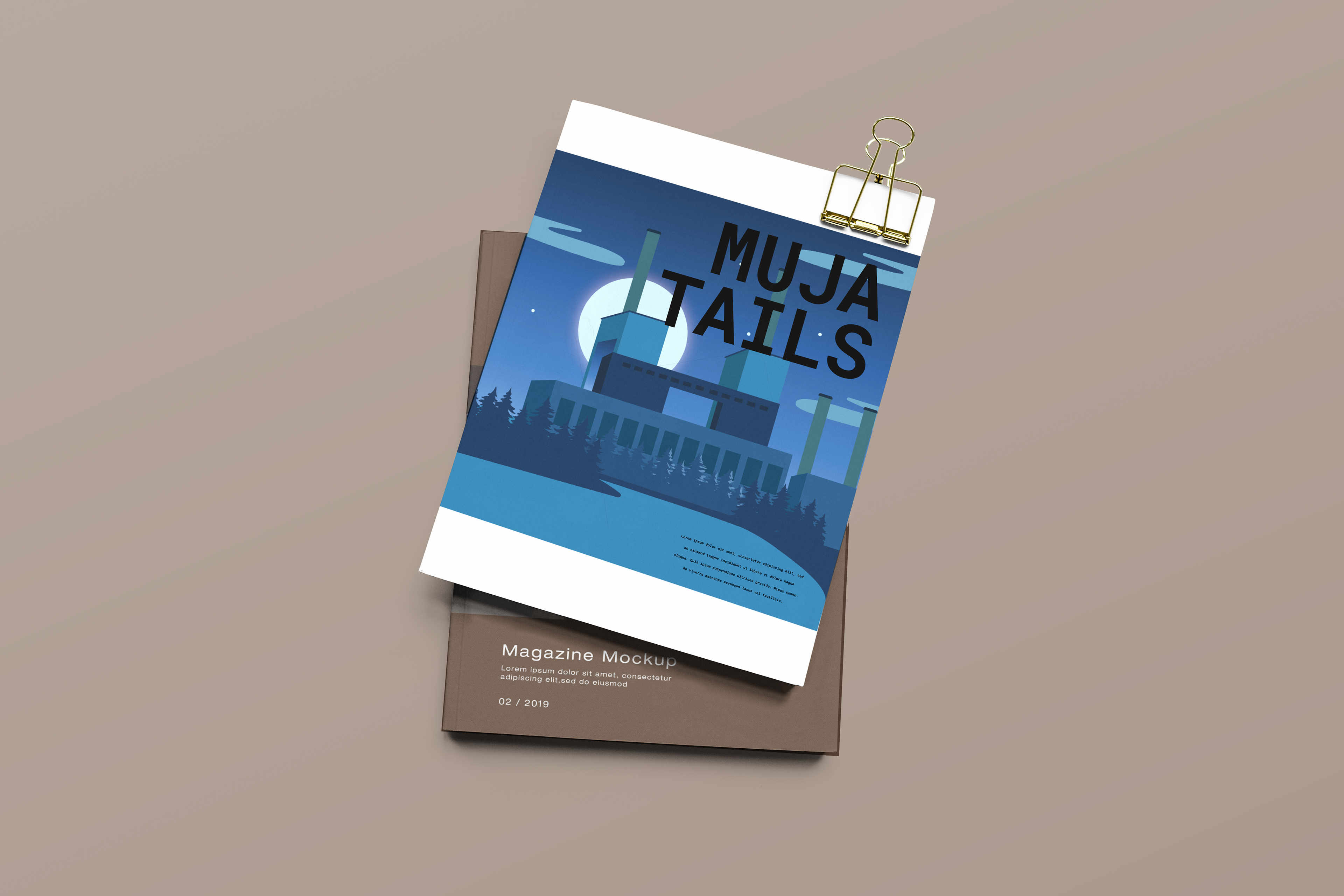
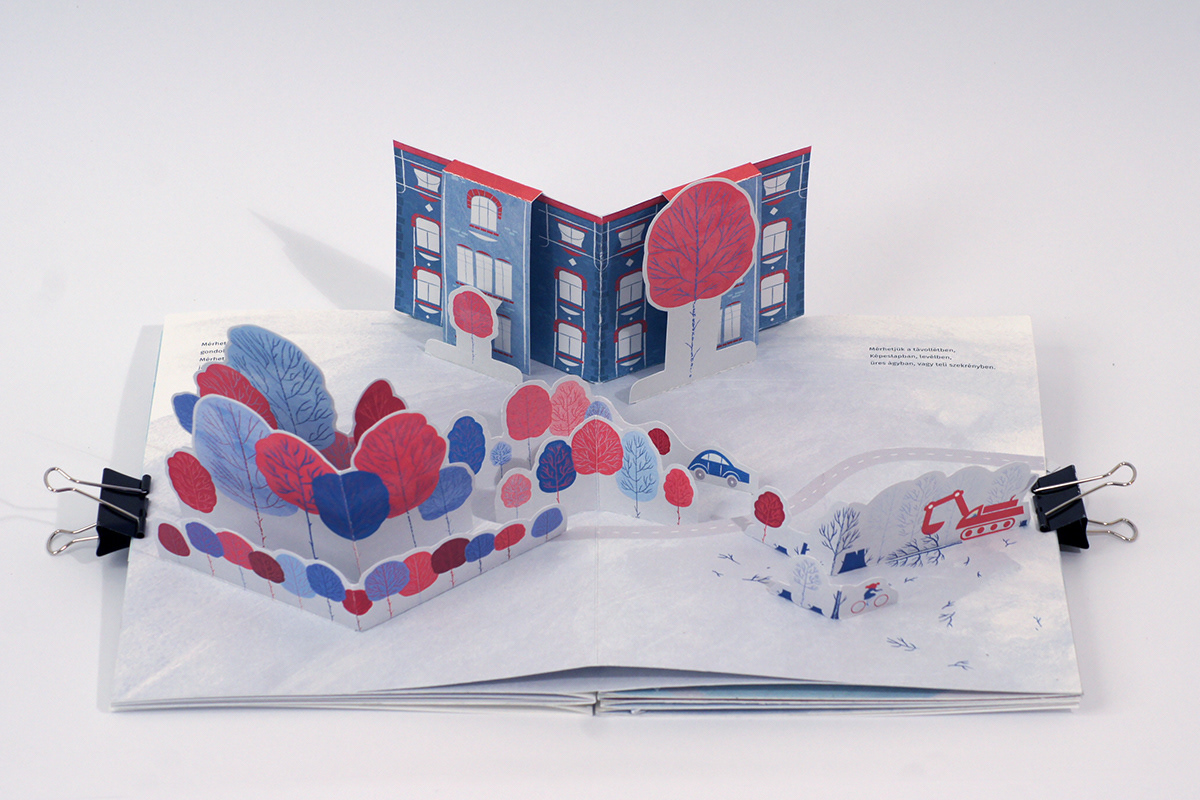
Commemorative Book
A living archive of Muja’s legacy
The proposed book brought together:
- Historical information
- Community stories
- Worker experiences
- Illustrated artwork
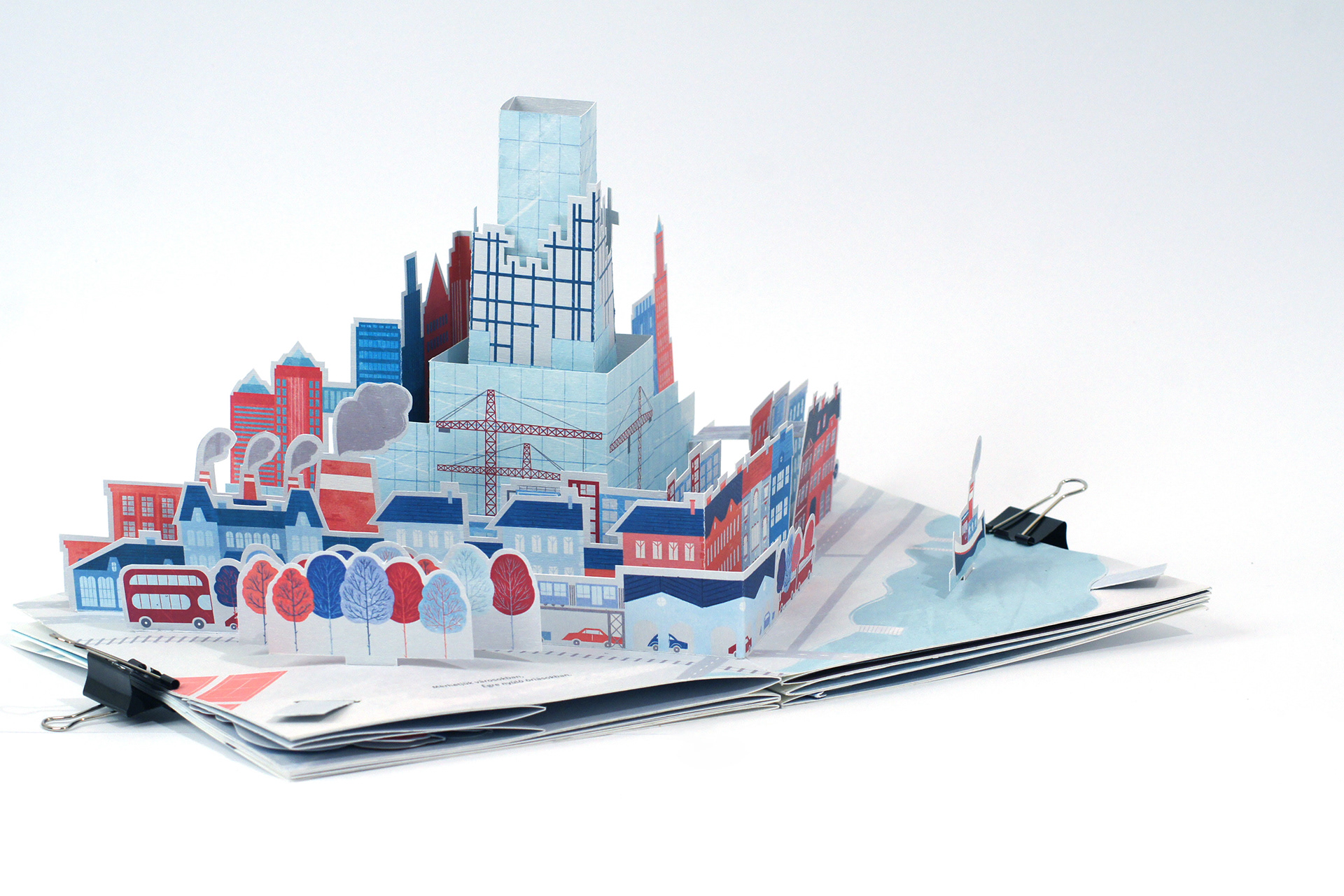
Designed as an interactive artefact, the book included opportunities for:
- QR-linked audio stories
- Pop-up elements
- Interactive pages
- Community-created artwork
The book became a physical symbol of Muja’s contribution and a keepsake for future generations.
The Lookout
Connecting people with place
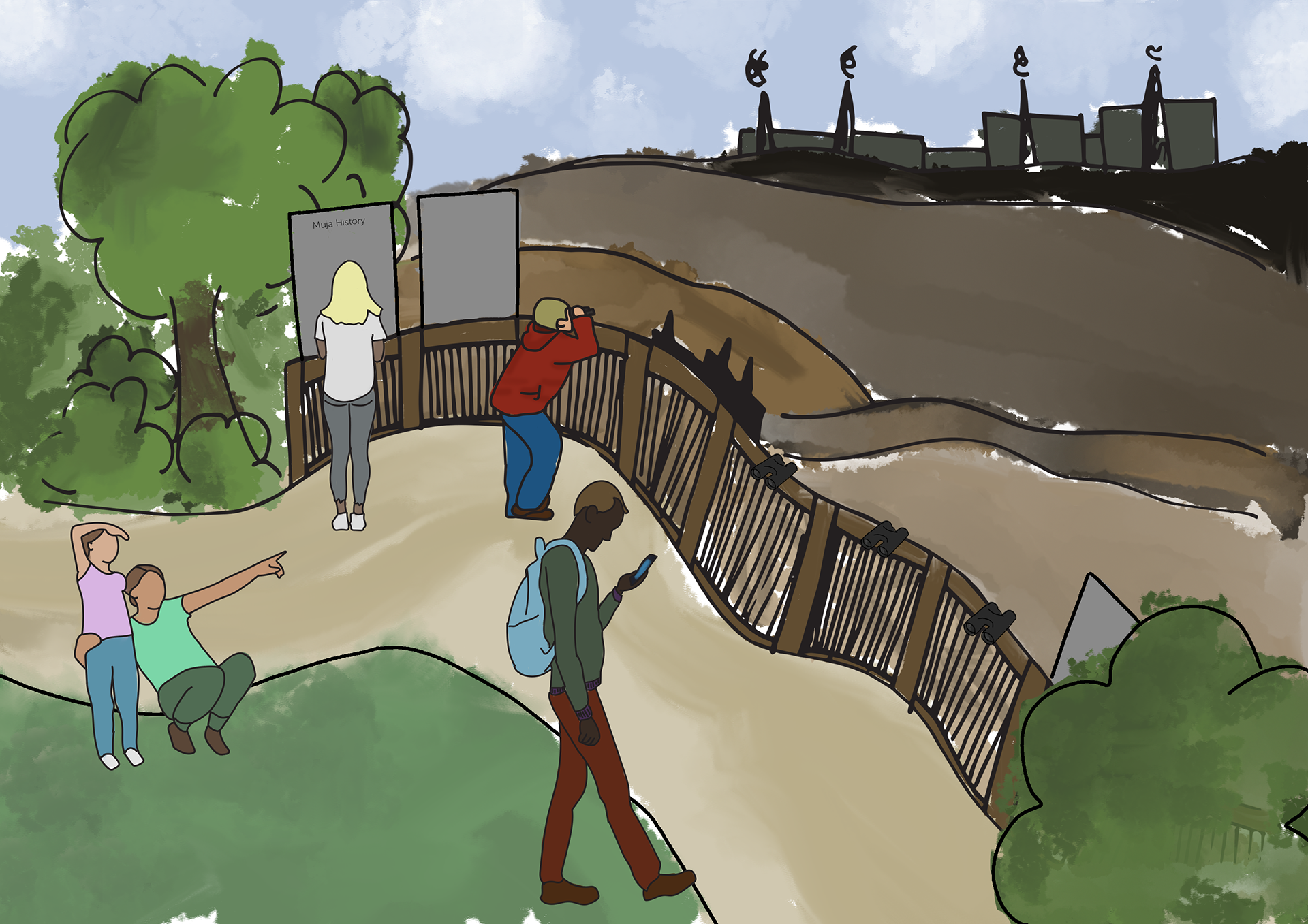
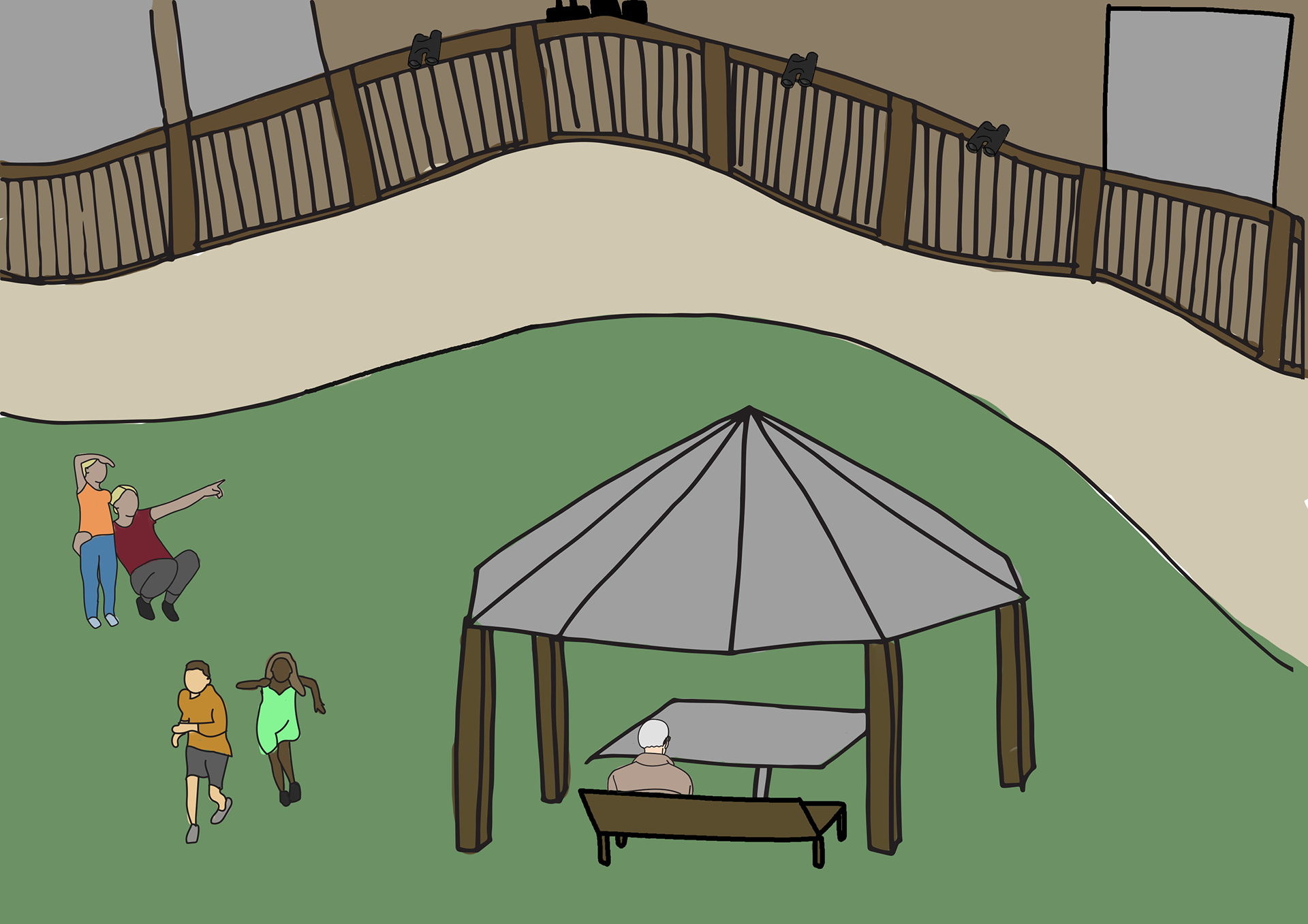
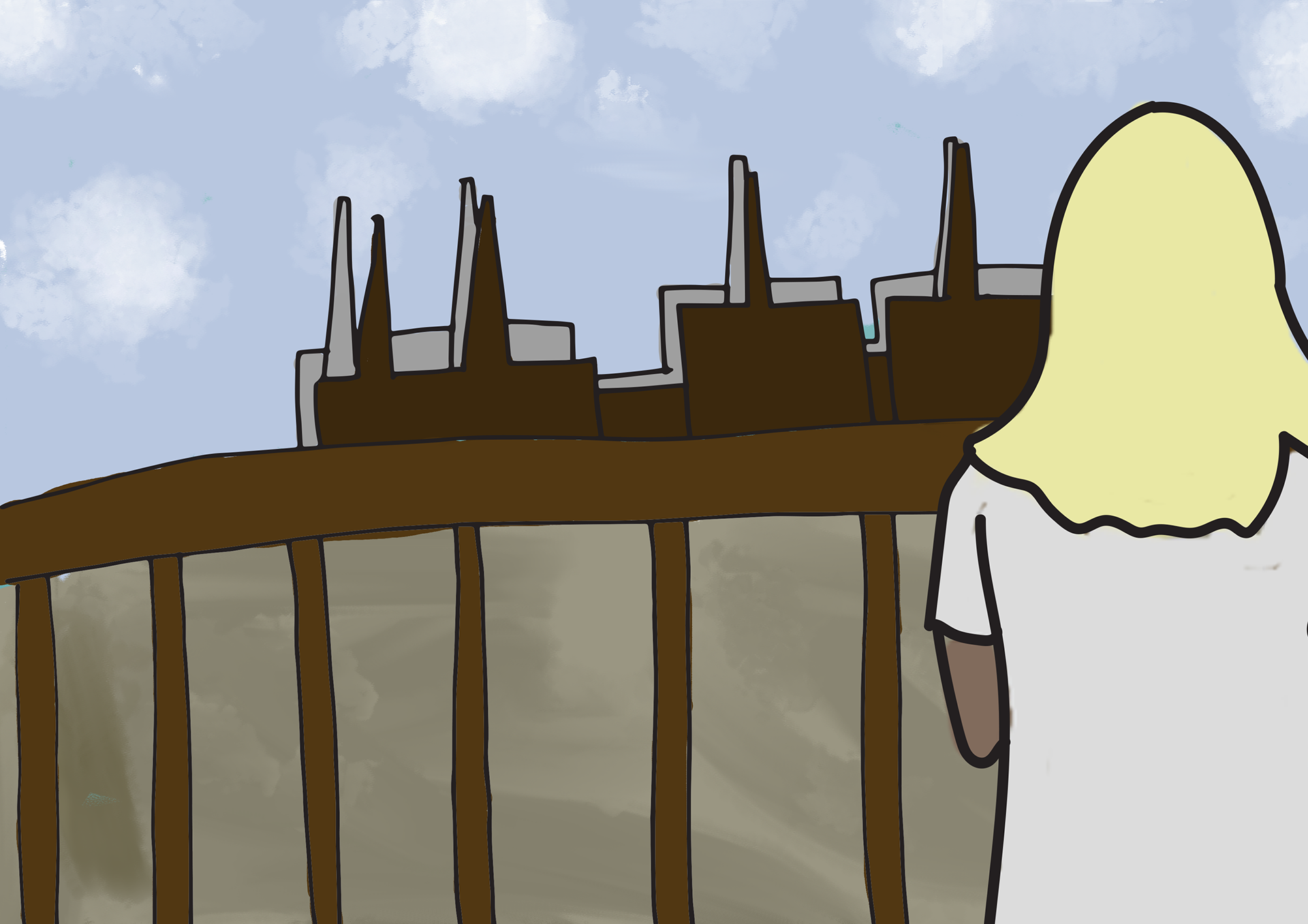
The lookout concept created a permanent location where visitors could reflect on Muja’s history while considering its future.
Features included:
- Viewing area overlooking the power station
- Historical timeline
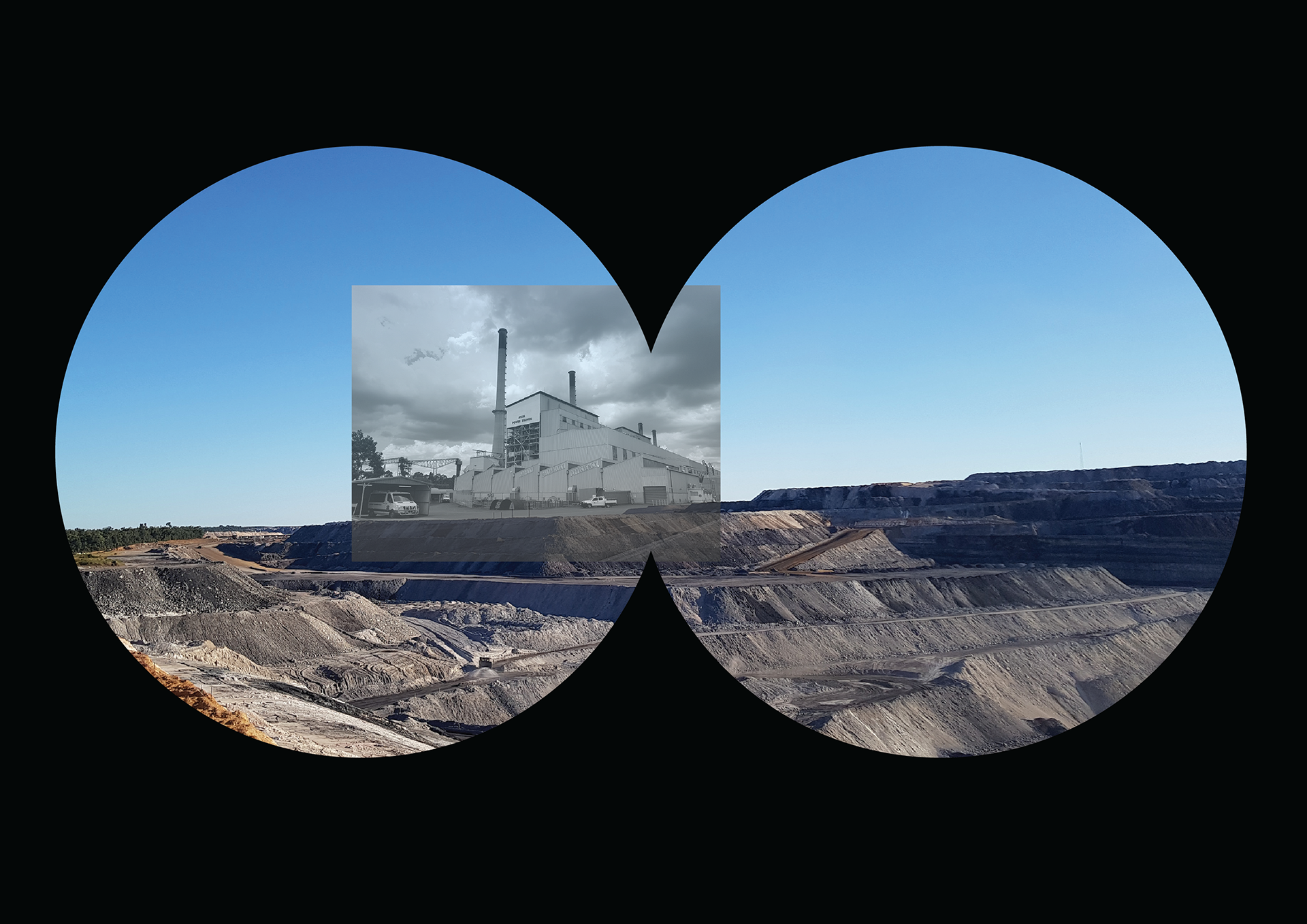
- Interactive viewing devices
- Augmented reality overlays
- Storytelling benches
The experience allowed visitors to see Muja through different moments in time — past, present, and future.
Service Ecosystem
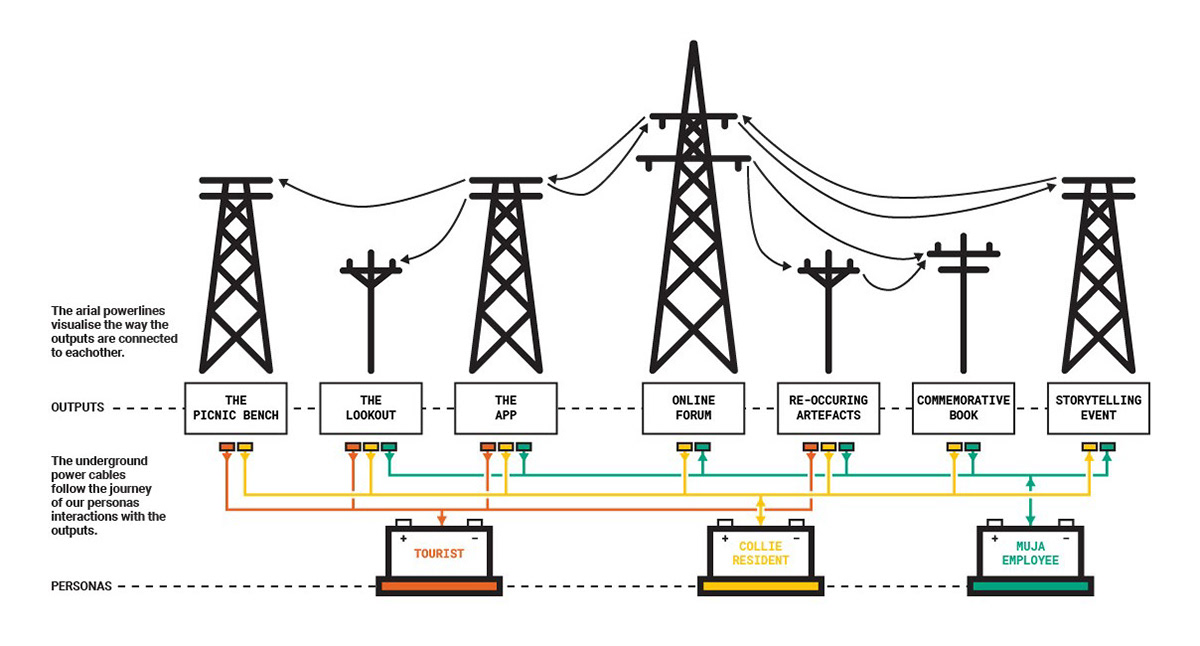
Rather than isolated touchpoints, the concepts worked together as a connected service system.
The ecosystem allowed:
Workers
→ Share stories and preserve their experiences
→ Share stories and preserve their experiences
Community
→ Participate in shaping local identity
→ Participate in shaping local identity
Visitors
→ Discover Collie’s history through engaging experiences
→ Discover Collie’s history through engaging experiences
Future generations
→ Understand the significance of Muja’s contribution
→ Understand the significance of Muja’s contribution
Outcomes
The project demonstrated how service design can support communities experiencing significant transition.
The proposed outcomes aimed to:
✓ Preserve industrial heritage
✓ Celebrate community identity
✓ Create opportunities for tourism
✓ Encourage community participation
✓ Support Collie’s transition beyond coal
✓ Establish a model for other transitioning communities
✓ Celebrate community identity
✓ Create opportunities for tourism
✓ Encourage community participation
✓ Support Collie’s transition beyond coal
✓ Establish a model for other transitioning communities
Reflection
This project changed our understanding of what a historical preservation project could be.
What began as a question of “how do we record Muja’s history?” became:
“How can we help a community carry its history forward?”
Through research, co-design, and storytelling, we explored how design can support communities during periods of change — not by preserving the past unchanged, but by helping people build ownership over their future.