Helping apartment dwellers water plants more efficiently
Project Type
University Service Design Project | UX Research | Systems Thinking | Sustainability
University Service Design Project | UX Research | Systems Thinking | Sustainability
Duration
(July-Nov 2020)
(July-Nov 2020)
Role
Service Designer, UX Researcher, Visual Designer, Co-facilitator
Service Designer, UX Researcher, Visual Designer, Co-facilitator
Team
Teayl Thorn & Phil Kalinowski & Eko Pam as Project Supervisor
Teayl Thorn & Phil Kalinowski & Eko Pam as Project Supervisor
Overview
Many apartment dwellers want to keep plants but struggle to water them consistently. Limited space, changing sunlight conditions, busy lifestyles and lack of gardening knowledge often result in unhealthy plants and unnecessary water waste.
H2OME explored how service design could improve plant care for apartment residents by combining research, ideation and concept development to create practical, sustainable watering systems.
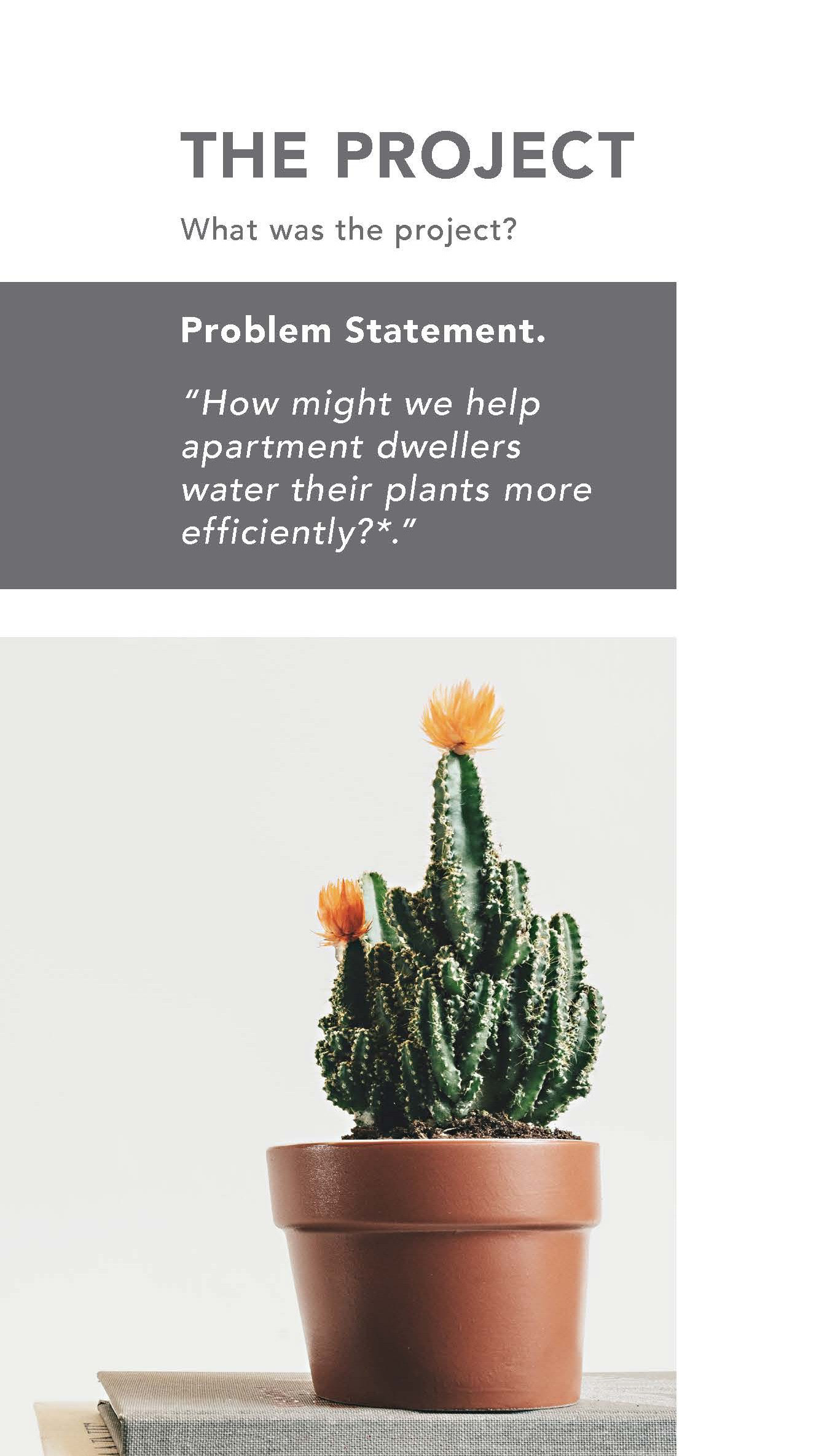
The Challenge
How might we help apartment dwellers water their plants more efficiently?
Rather than designing another watering product, we investigated the broader ecosystem surrounding plant care.
The project examined:
- apartment living
- watering behaviour
- sustainability
- water conservation
- gardening knowledge
- existing watering systems
- architectural constraints
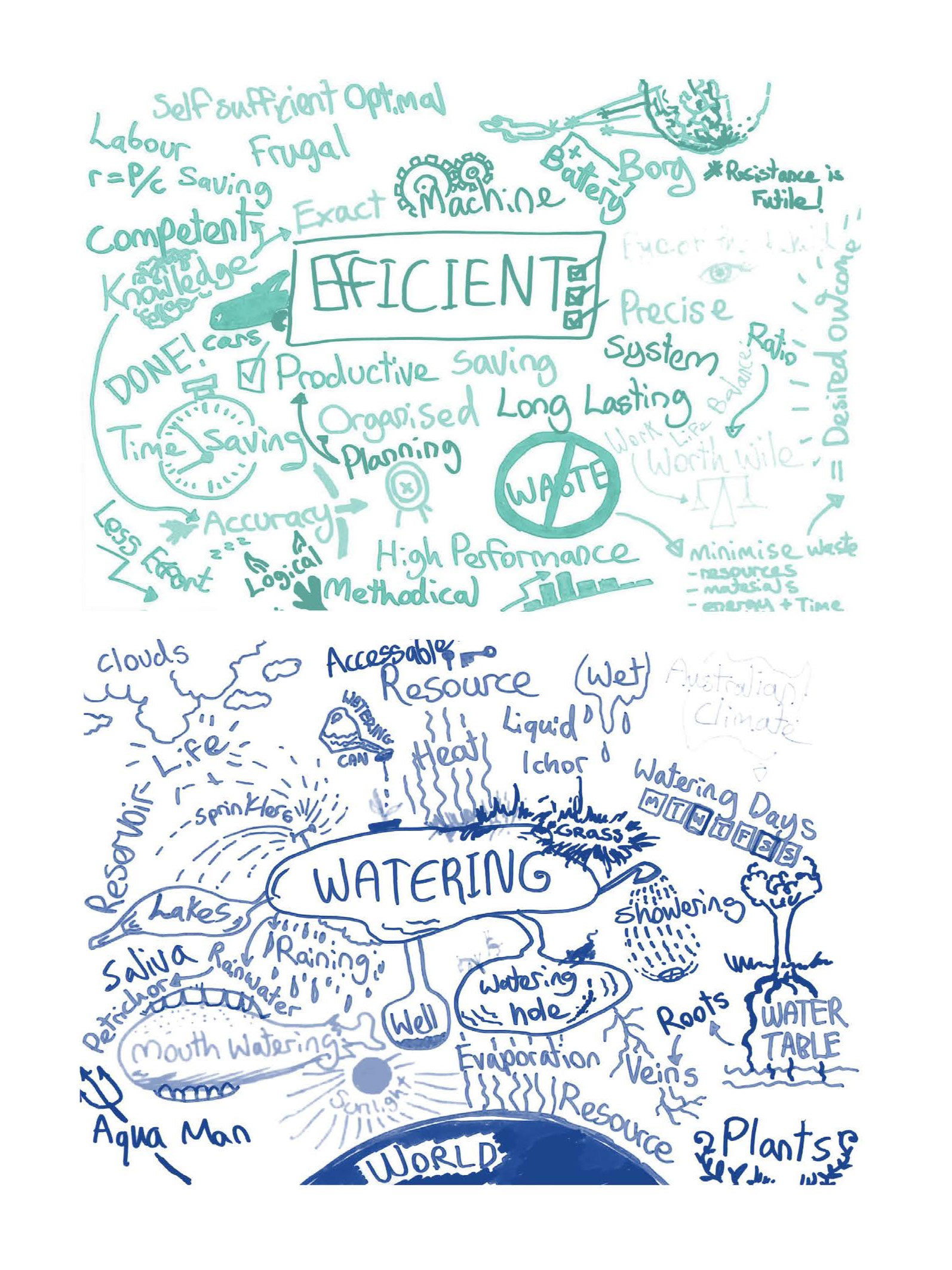
Through this research we discovered that the biggest challenge wasn't simply watering plants—it was helping people understand when, why and how much to water.
Research
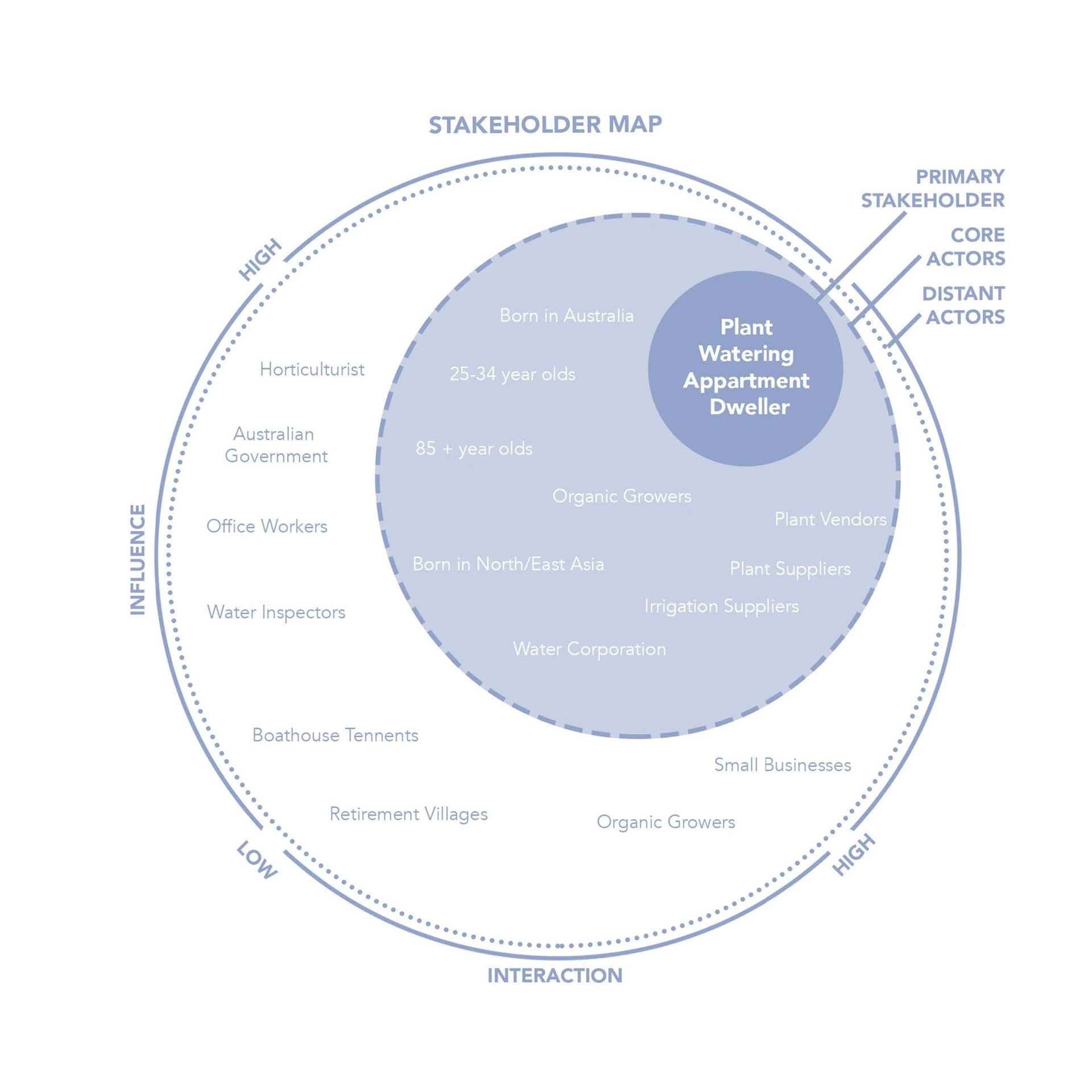
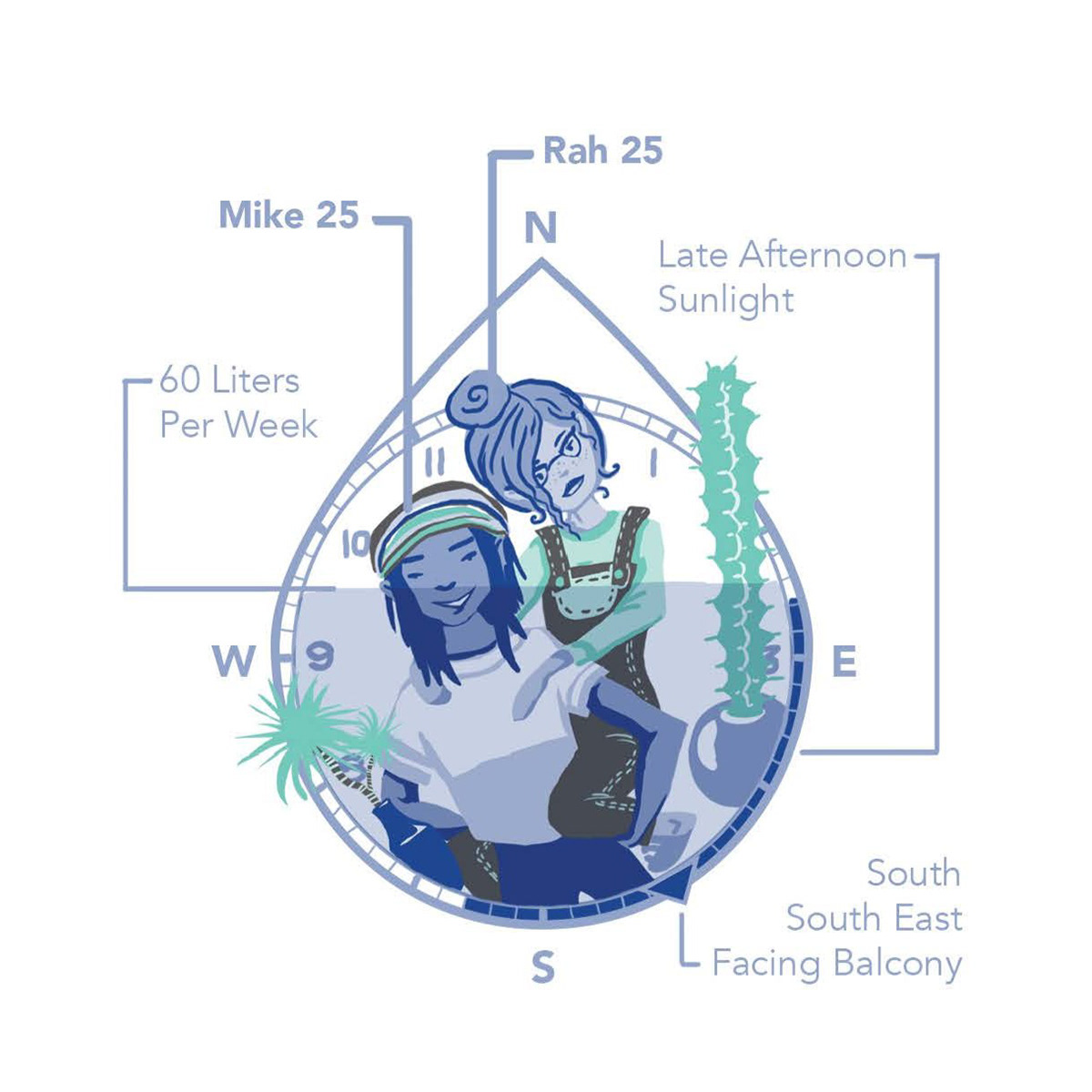
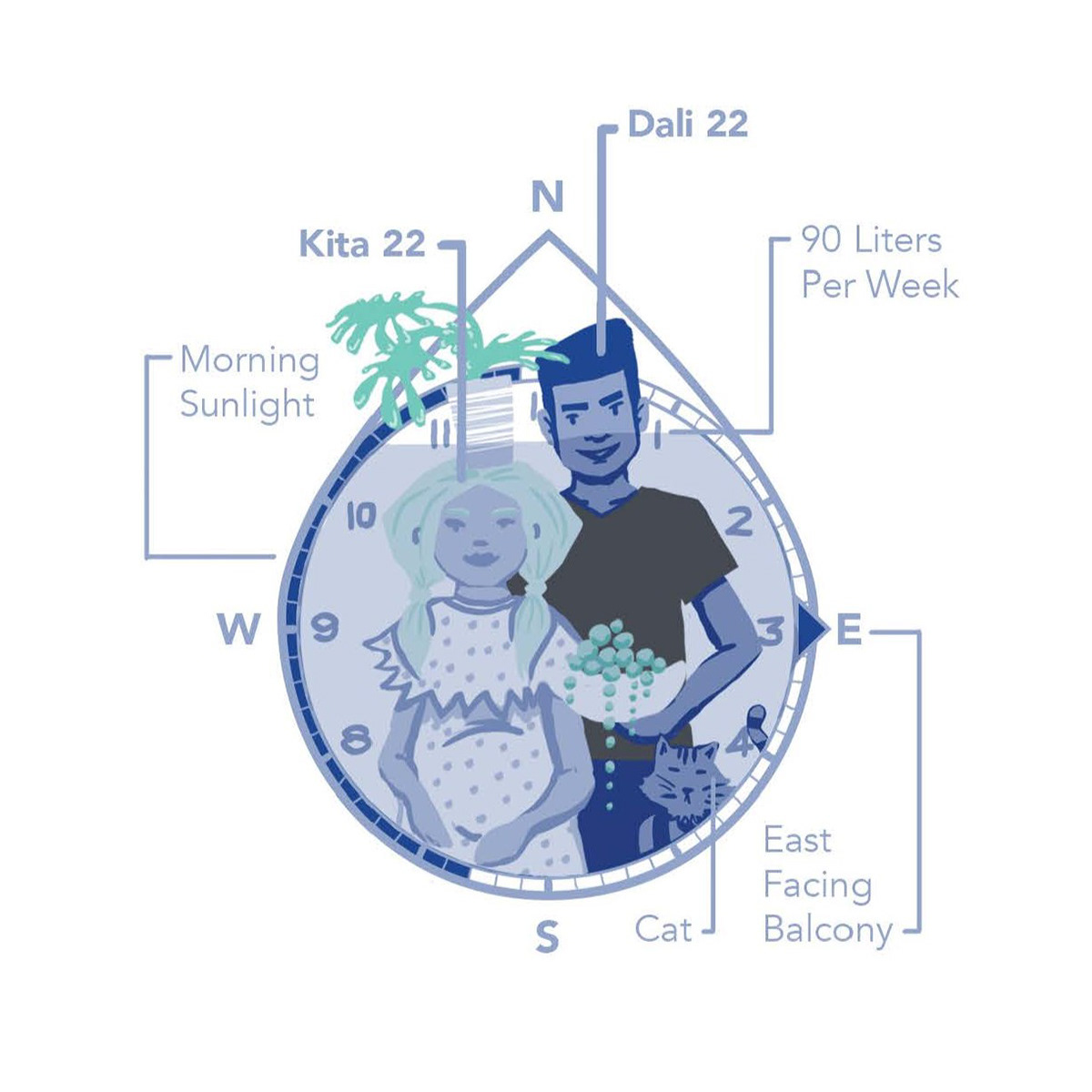
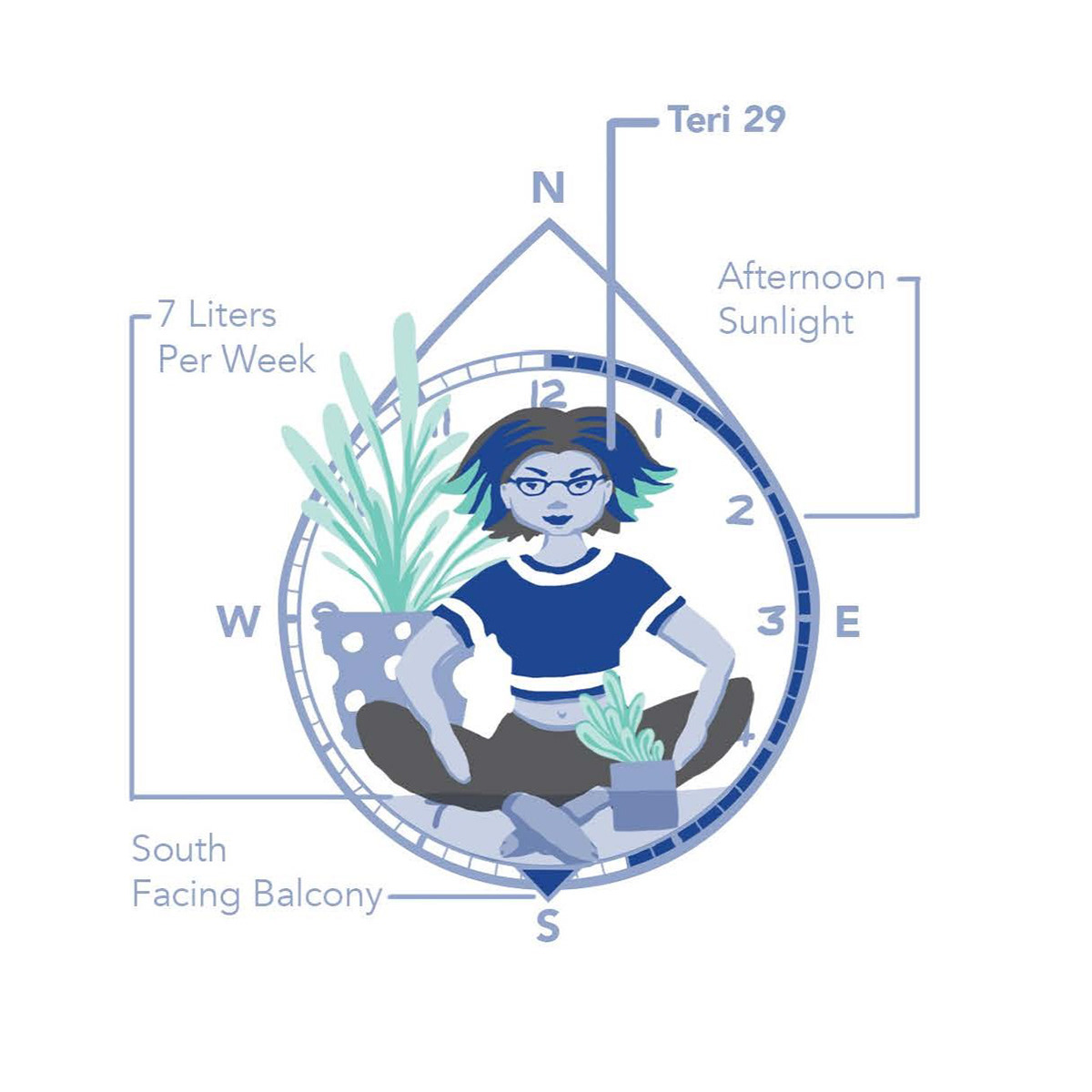
Our research combined desk research with stakeholder interviews.
Stakeholders
We interviewed:
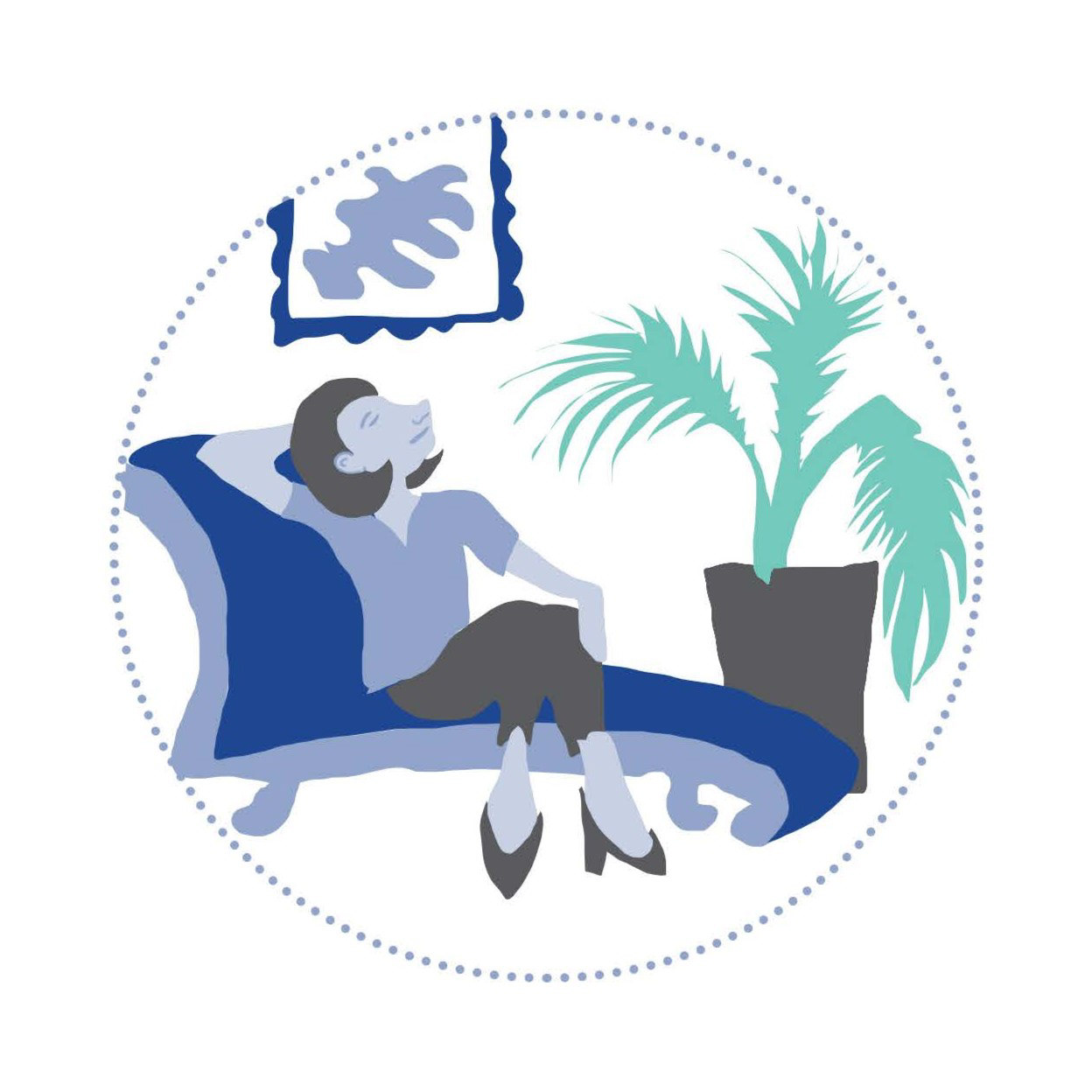
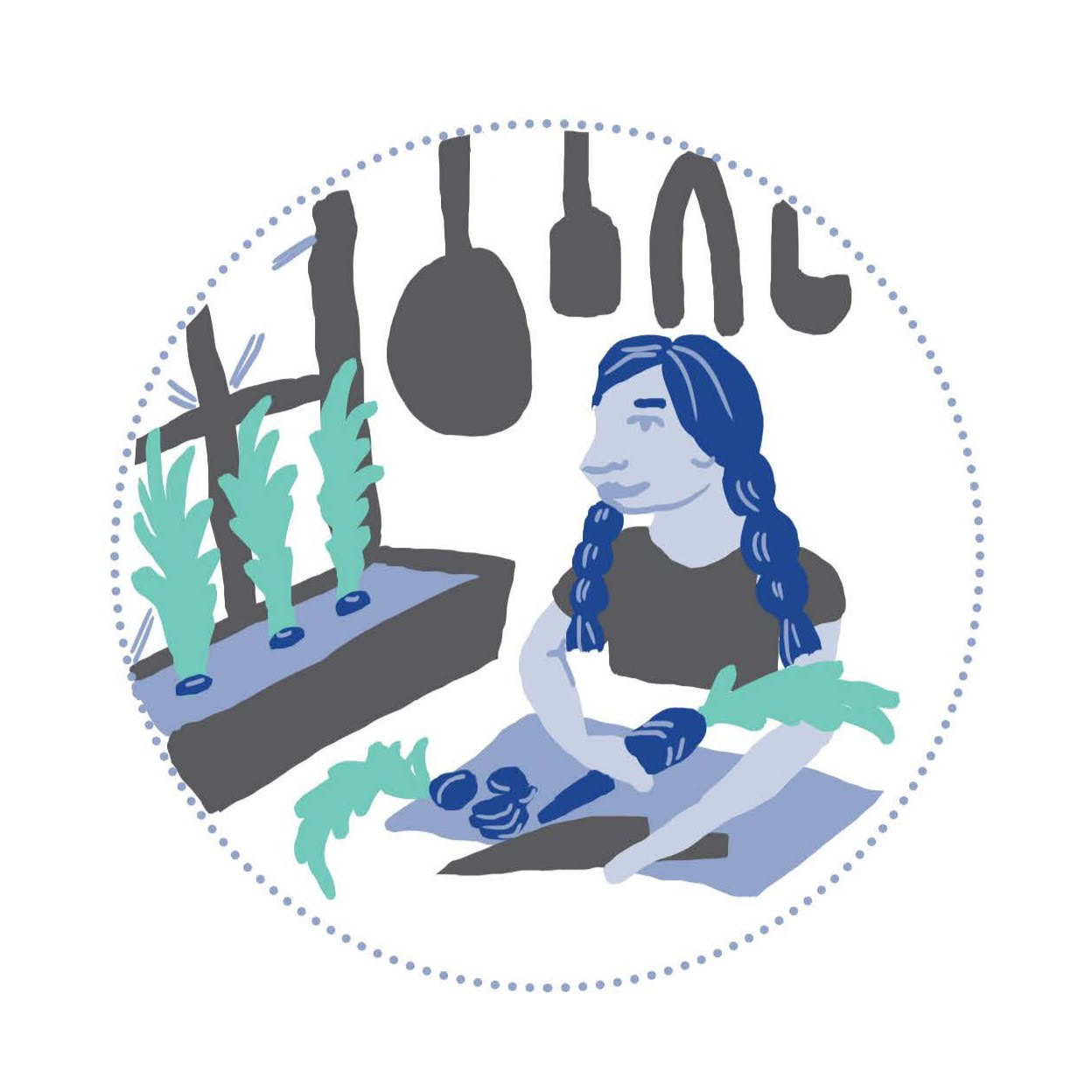
- Apartment residents
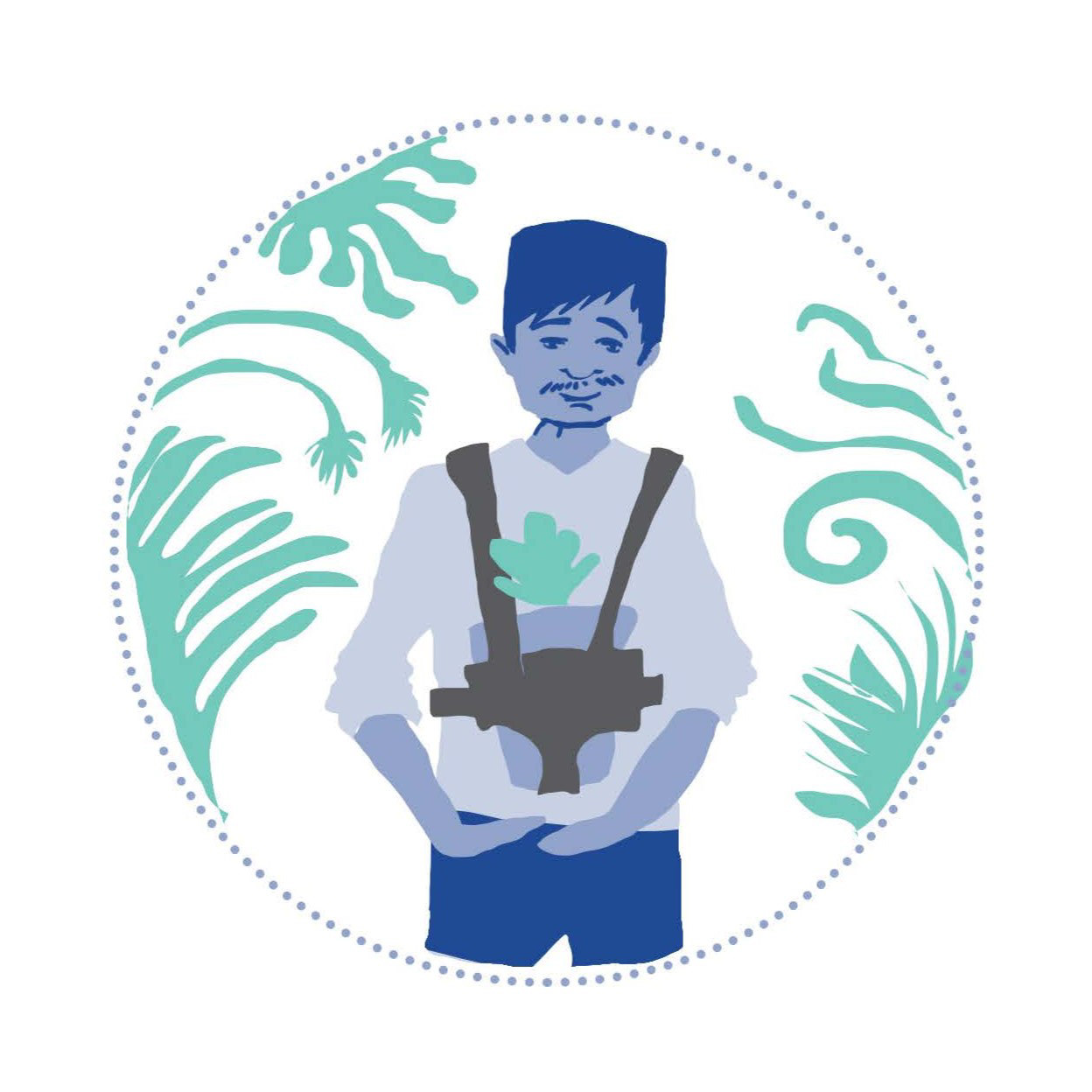
- Gardeners
- Plant experts
- Industry specialists
Our research investigated:
- watering habits
- apartment constraints
- existing irrigation systems
- rainwater collection
- sustainable gardening
- behavioural motivations
- environmental conditions
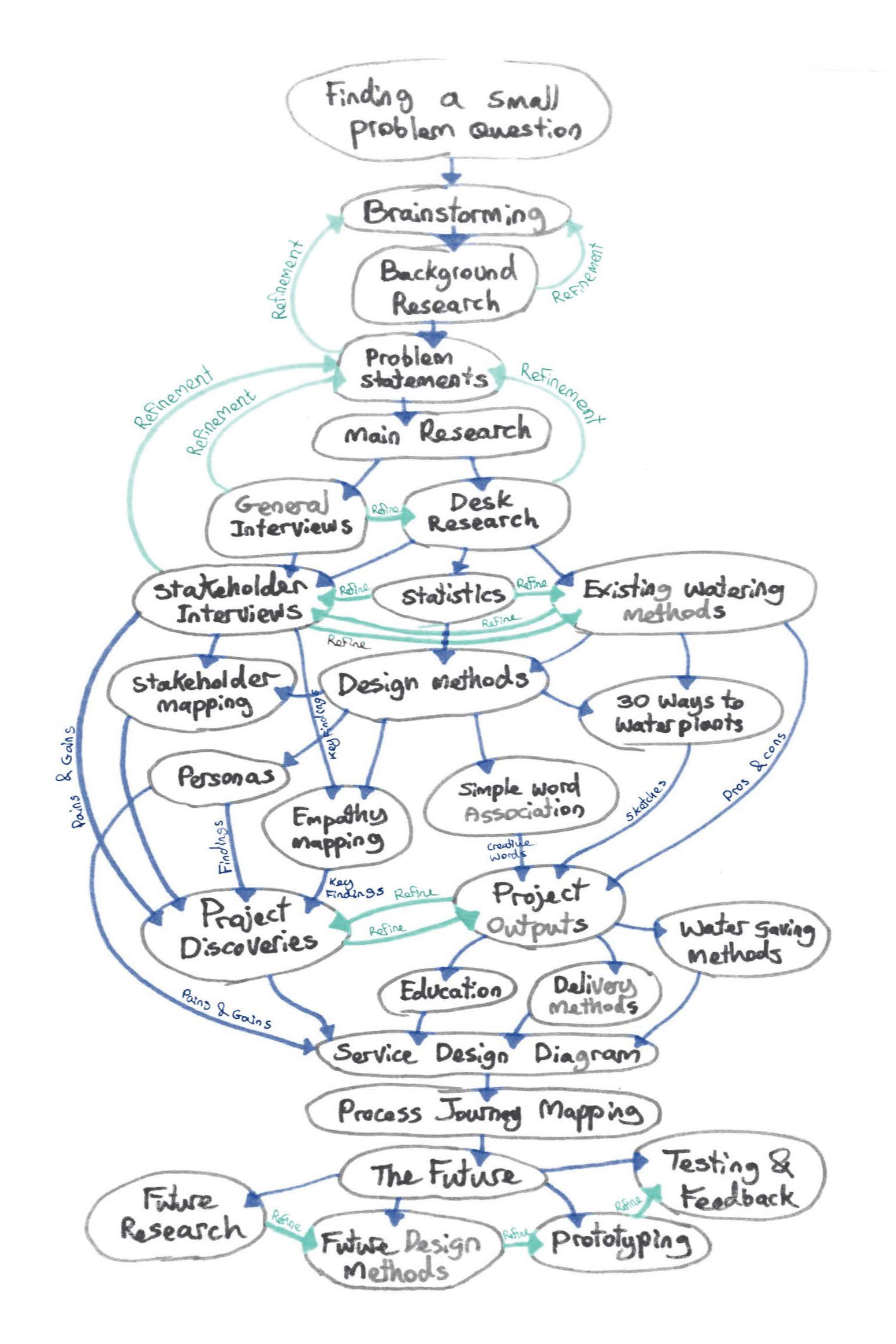
Although our initial goal was broader, peer review helped refine the project into a focused service design challenge centred on apartment living.
Key Insights
Several strong themes emerged.
Knowledge is the real problem
People weren't necessarily lazy.
Most simply didn't know:
- when plants needed water
- how much water was enough
- how sunlight changed watering needs
- how different soils retained moisture
This insight shifted the project from designing "watering products" toward designing better information and decision support.
Apartment living creates unique challenges
Residents faced issues including:
- limited outdoor space
- covered balconies
- inconsistent sunlight
- restrictions on modifications
- limited rainwater collection
Solutions designed for suburban gardens often failed in apartment environments.
Sustainability matters
Participants wanted to reduce:
- water waste
- dead plants
- maintenance effort
The opportunity became designing a system that balanced environmental sustainability with everyday convenience.
Concepts
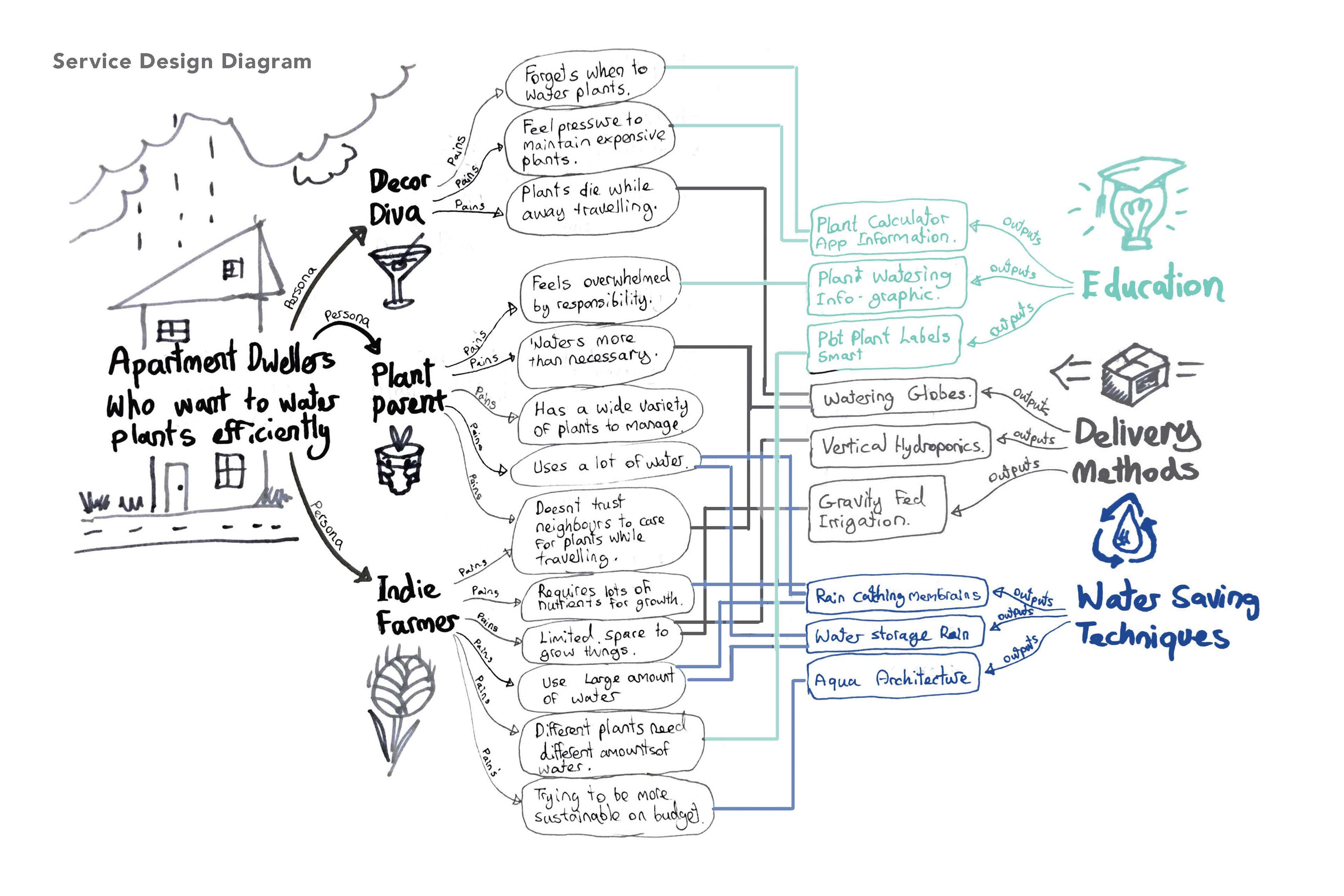
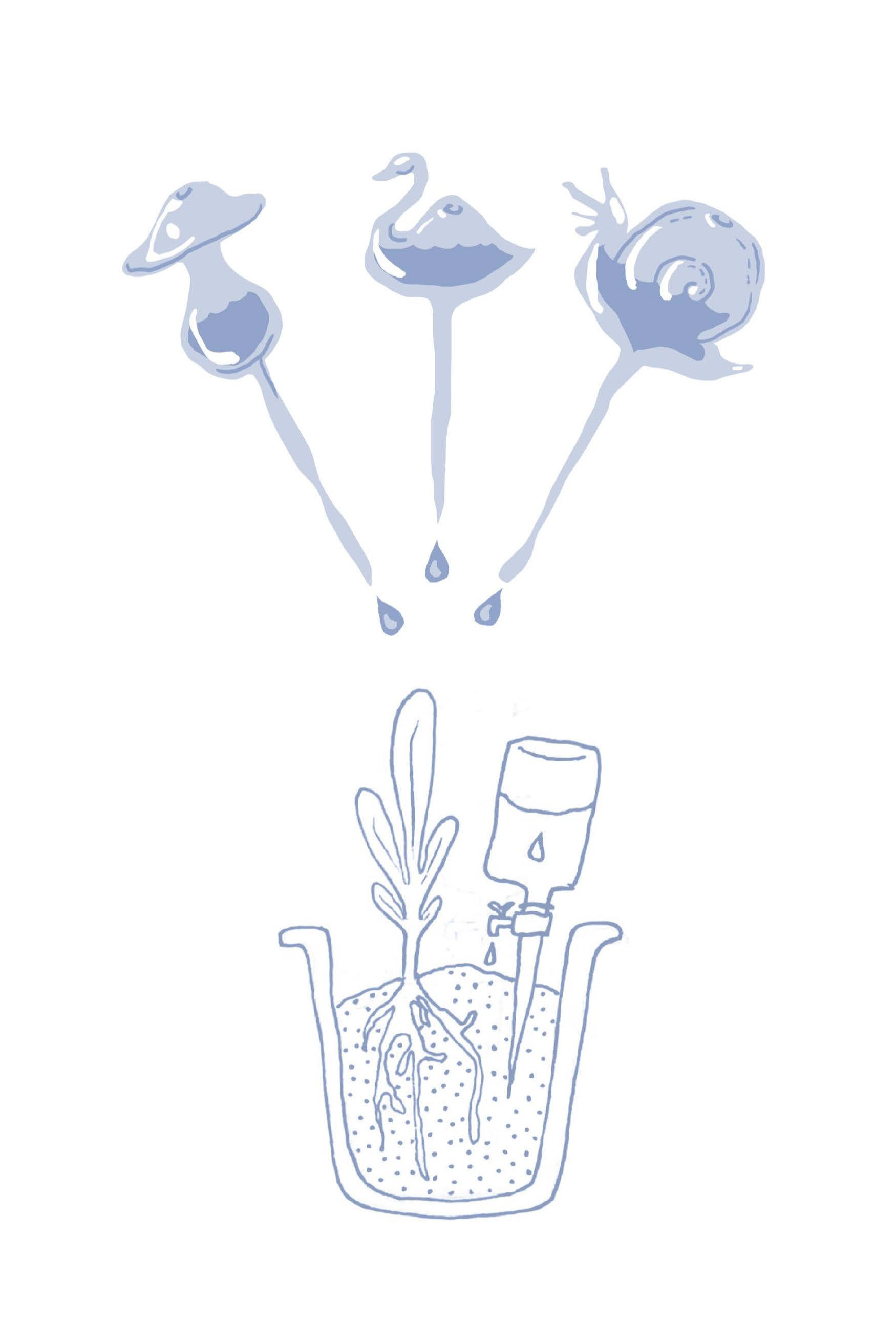
Rather than producing one final product, we explored multiple complementary concepts.
Watering Knowledge System
Educational resources helping users understand:
- soil moisture
- plant species
- watering frequency
- seasonal variation
Smart Water Calculator
A concept for a mobile application capable of estimating watering requirements using factors such as:
- plant species
- soil type
- temperature
- sunlight exposure
This concept emerged directly from research identifying knowledge gaps rather than equipment shortages.
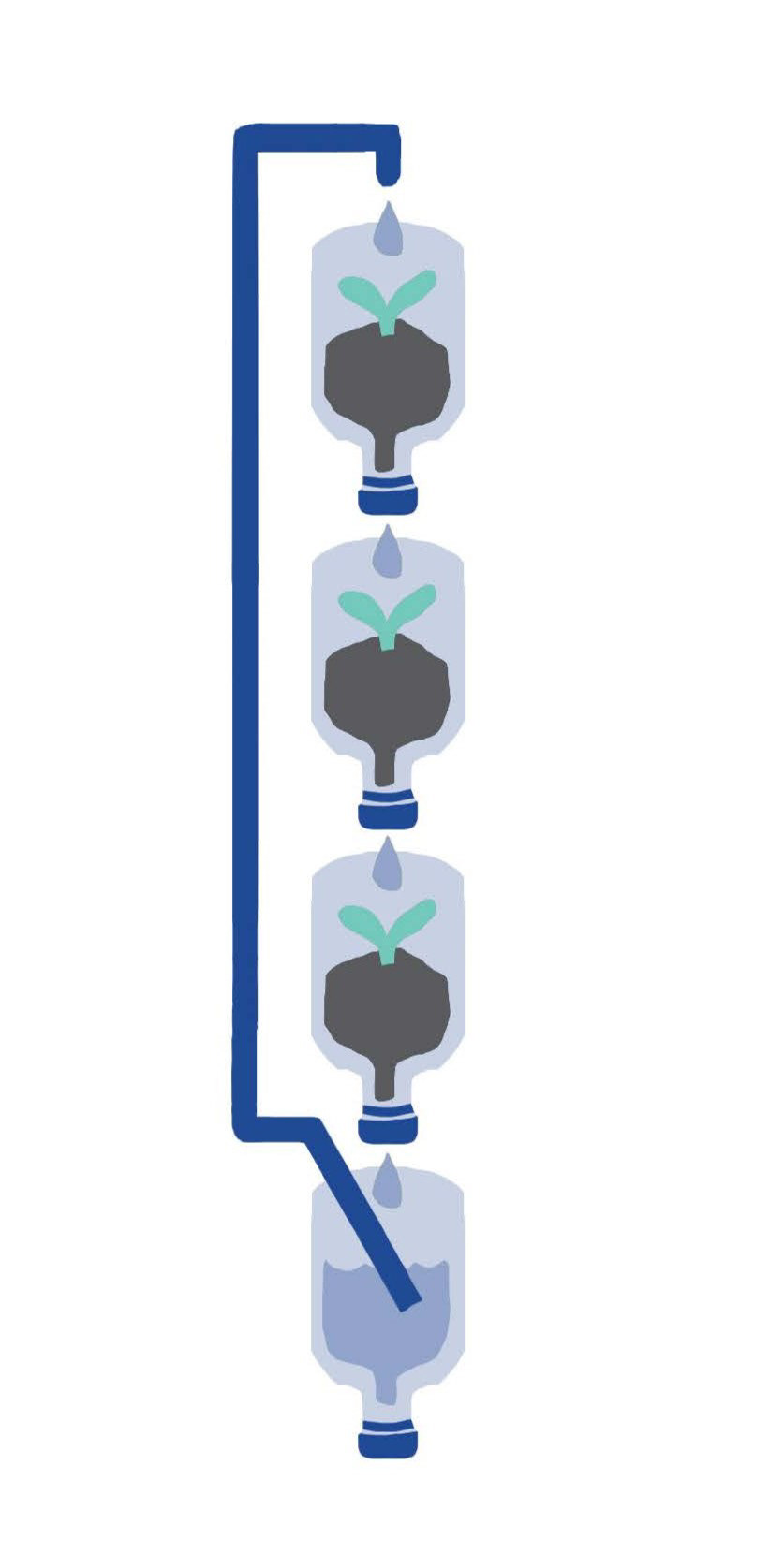
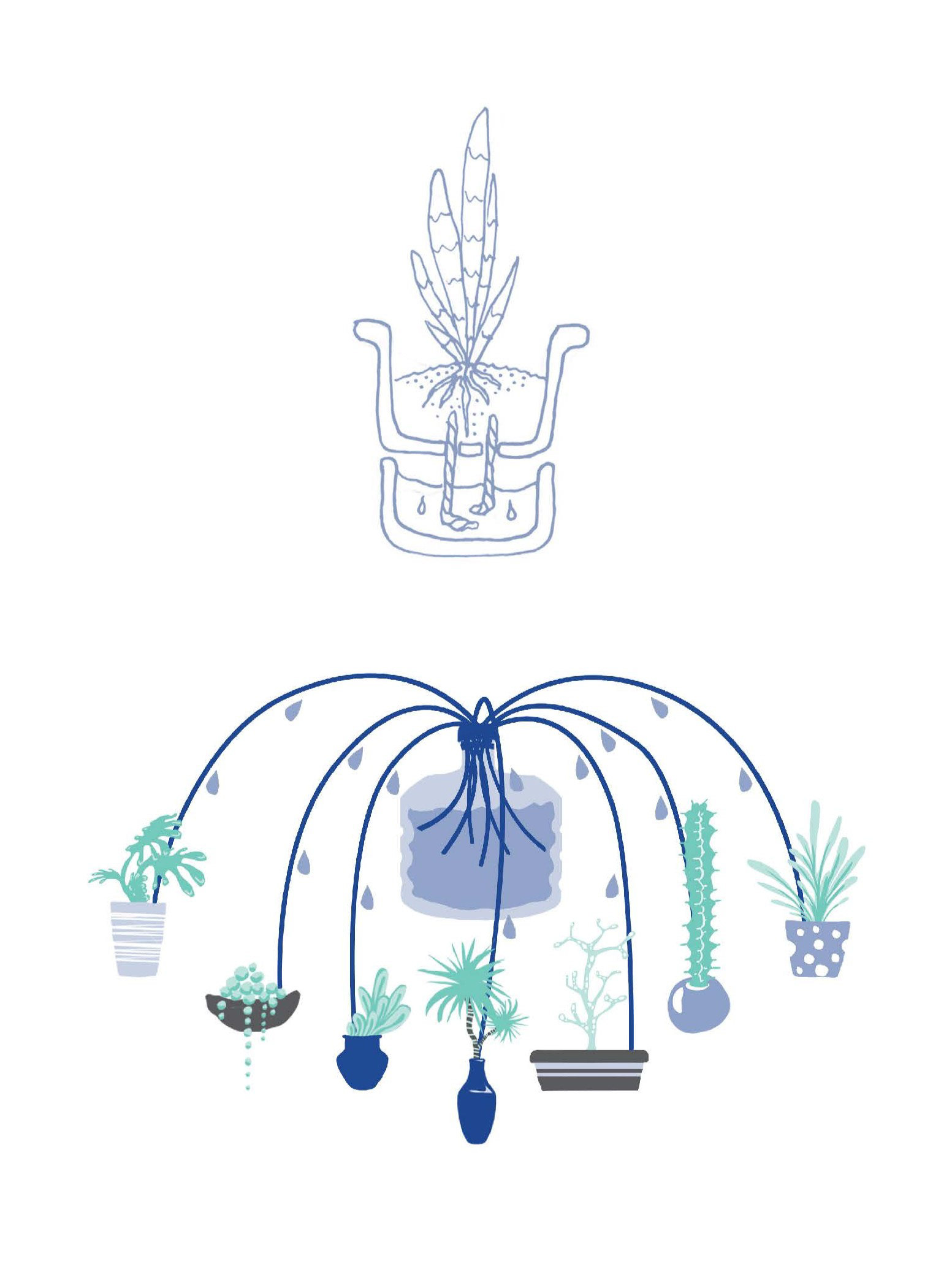
Apartment Rainwater Collection
We also explored future architectural opportunities to capture rainwater in apartment environments.
Recommendations included:
- adaptable retrofit systems
- integrated building design
- climate-responsive architecture

Outcomes
The project demonstrated that effective service design often means solving the underlying behavioural problem rather than the obvious physical one.
Our recommendations focused on:
improving plant care knowledge
reducing water waste
supporting sustainable apartment living
encouraging future smart building design
Reflection
One of the biggest lessons from H2OME was learning to narrow the scope of a design challenge.
Initially, we approached the project from a broad sustainability perspective. Through research, stakeholder interviews and peer review, we refined the brief into a focused service design question that better addressed a genuine user need.
This project reinforced the importance of validating assumptions through research before jumping to solutions. It also strengthened my skills in qualitative research, insight synthesis, systems thinking and translating complex findings into practical service concepts.